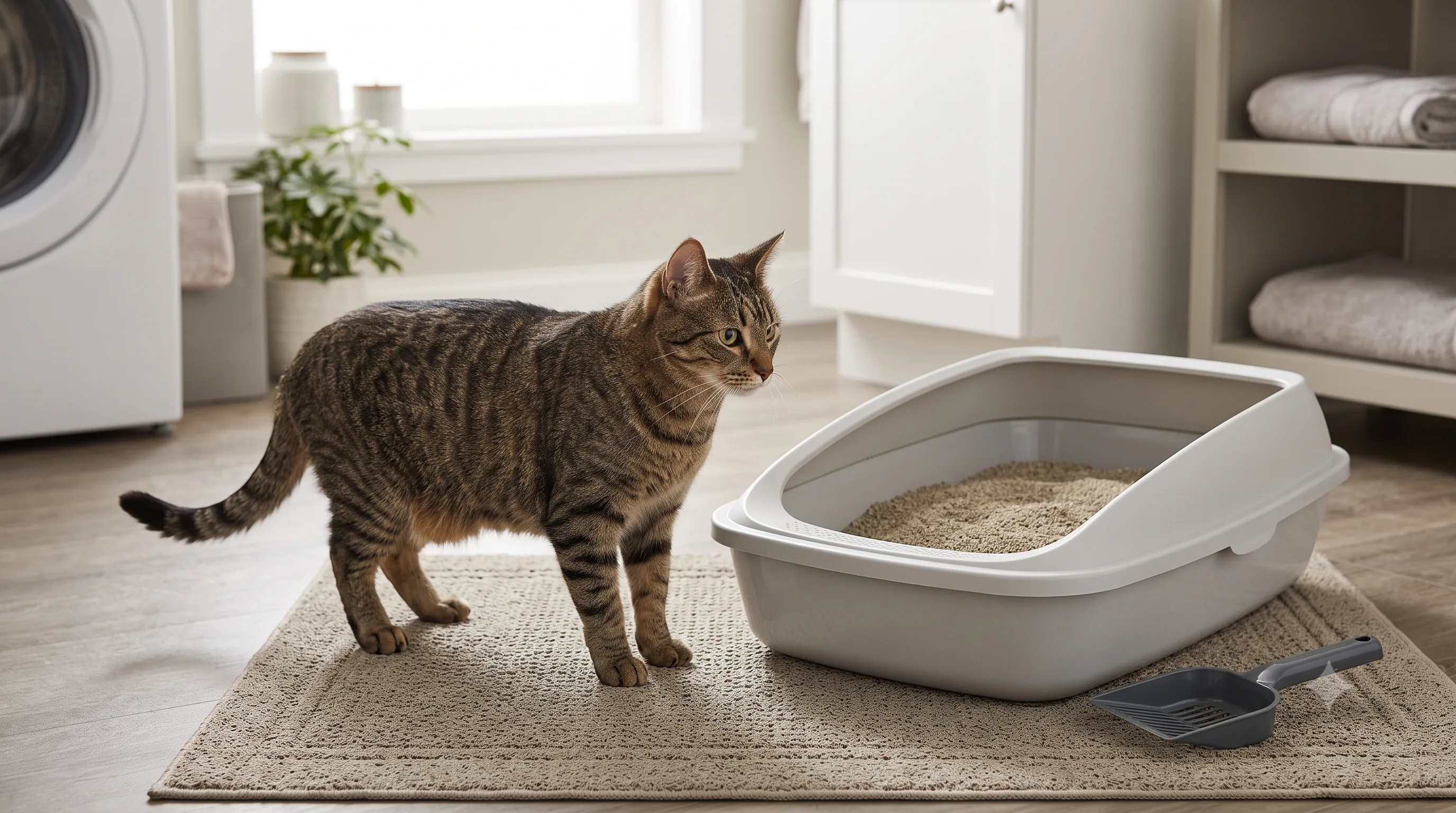
If there’s one part of having a cat that most owners wish their cats could handle themselves, it’s the litter box. Unfortunately, your cat isn’t going to grab a tiny scoop and take care of it for you!
Keeping the litter box clean is about more than getting rid of bad smells. Cats are naturally clean animals, and a dirty litter box can make them uncomfortable, cause litter box avoidance, and make unpleasant odors spread through your home.
So, how often should you actually clean a cat litter box?
For most cats, daily scooping is the minimum. But completely changing the litter and washing the box follow a different schedule depending on the type of litter, how many cats use the box, and how quickly it becomes dirty.
In this guide, we'll explain exactly how often to scoop, when to change the litter, how to wash the box, and how to keep your cat's litter area clean with minimal effort.
How Often Should You Clean a Cat Litter Box?
Here's a simple overview of how often to handle the most common litter box cleaning tasks:
| Cleaning Task | How Often? |
|---|---|
| Scoop poop and urine clumps | At least once a day |
| Check the litter condition | Daily |
| Add fresh litter | As needed |
| Completely replace litter | When it becomes dirty or according to the litter type |
| Wash the litter box | When changing litter or whenever the box becomes dirty |
| Clean the surrounding area | Regularly |
The exact routine can vary depending on your cat, the type of litter you use, the size of the box, and how many cats share it.
The goal is simple: keep the litter box clean enough that your cat is comfortable using it every day.
How Often Should You Scoop a Cat Litter Box?
For most cats, you should scoop the litter box at least once a day.
If you have multiple cats using the same box, you may need to scoop more frequently. Some cats are also particularly picky and may refuse to use a box that already contains waste.
A good routine is to check the litter box once in the morning and once in the evening. It only takes a couple of minutes, but it can make a big difference.
 )
Why Daily Scooping Matters
Regular scooping helps keep the litter box comfortable for your cat and prevents waste from building up.
It also helps control odors before they become a bigger problem.
Daily scooping can help:
- Remove urine clumps and poop
- Reduce unpleasant odors
- Keep the litter cleaner for longer
- Make the box more appealing to your cat
- Make the litter box easier to maintain
Think of it like cleaning a bathroom. You don't need to replace everything every time, but you definitely don't want waste sitting around for days.
How Often Should You Completely Change Cat Litter?
Scooping removes the waste your cat leaves behind, but eventually the litter itself needs to be replaced.
How often you should completely change the litter depends on the type of litter you're using, how many cats use the box, and how quickly the litter becomes soiled.
 )
Clumping vs. Non-Clumping Cat Litter
With clumping litter, you may be able to keep the remaining litter in the box for several weeks if you scoop daily, remove soiled litter thoroughly, and add fresh litter as needed.
However, there isn't one universal replacement schedule. Follow the recommendations from the litter manufacturer and pay attention to the condition of the litter.
Replace it sooner if the litter:
- Develops a persistent odor
- Becomes heavily soiled
- Stays damp
- Looks consistently dirty
- Stops clumping properly
- Seems to make your cat avoid the box
For non-clumping litter, complete replacement is usually needed more frequently because urine isn't removed in solid clumps.
The important thing is not to focus only on the number of days. The condition of the litter and your cat's behavior are better indicators of when it needs to be replaced.
How Often Should You Wash the Litter Box?
Even when you're scooping every day, the litter box itself still needs a proper cleaning.
A thorough wash is a good idea whenever you completely replace the litter, or sooner if the box becomes dirty or develops a strong odor.
 )
A simple litter box cleaning routine is:
- Empty all the old litter into a trash bag.
- Remove any litter stuck to the bottom or sides.
- Wash the box with warm water and a mild, unscented soap.
- Rinse it thoroughly.
- Let the box dry completely.
- Add fresh litter.
Avoid Strong Cleaning Products
Cats have much stronger noses than we do, and strong fragrances can make a litter box unpleasant for them.
Avoid heavily scented cleaners, ammonia-based products, or other harsh chemicals unless the product is specifically safe for pets and you're following its instructions.
A simple wash with warm water and mild, unscented soap is usually enough for routine cleaning.
Avoid mixing cleaning chemicals, especially bleach with ammonia-containing products, as this can create dangerous fumes.
What Happens If You Don't Clean the Litter Box Often Enough?
A dirty litter box isn't just unpleasant for you. It can also become a problem for your cat.
Cats may avoid a litter box if it's too dirty, too smelly, or already filled with waste.
This can sometimes lead to accidents around the house because your cat may decide that another location is more comfortable.
A dirty litter box can also make it harder for you to notice changes in your cat's bathroom habits.
 )
For example, changes in your cat's urine, poop, or bathroom habits can sometimes be an early warning sign that something isn't right.
You may notice things such as:
- Unusually large or small amounts of urine
- Diarrhea
- Constipation
- Blood in the litter
- Changes in how frequently your cat uses the box
- Straining or appearing uncomfortable
These signs don't tell you exactly what's causing the problem, but they can help you notice that something has changed.
If you notice blood, repeated diarrhea, constipation, difficulty urinating, or other unusual symptoms, contact your veterinarian.
How Many Litter Boxes Should You Have?
A commonly recommended guideline is:
Number of cats + 1 = number of litter boxes
So, if you have one cat, having two litter boxes can be helpful.
If you have two cats, the guideline would suggest three litter boxes.
This isn't always practical for every home, but having multiple options can reduce competition and give cats more choice.
 )
Where Should You Put the Litter Box?
Location matters almost as much as cleanliness.
Try to place litter boxes somewhere that's quiet and easy for your cat to access. Avoid putting them directly beside loud appliances such as washing machines or dryers.
Good locations are usually:
- Quiet but not completely isolated
- Easy for your cat to reach
- Away from food and water bowls
- Well ventilated
- Easy for you to clean
Don't hide the litter box somewhere that's difficult for your cat to reach just because you want it out of sight.
A litter box that's convenient for you but uncomfortable for your cat isn't a good solution.
Signs Your Cat Doesn't Like the Litter Box
Sometimes your cat will make it very obvious that something isn't right.
Watch for behaviors such as:
- Avoiding the litter box
- Going to the bathroom beside the box
- Scratching around the box without using it
- Frequently entering and leaving without going
- Suddenly choosing other areas of the house
- Excessive meowing around the litter box
- Jumping out immediately or appearing uncomfortable after entering
There can be several reasons for these behaviors, including the cleanliness of the box, the type of litter, its location, stress, or a medical issue.
If your cat suddenly stops using the litter box or seems uncomfortable when urinating or defecating, it's a good idea to speak with a veterinarian.
What Should You Look for When Cleaning the Litter Box?
Cleaning the litter box is also a good opportunity to notice what's normal for your cat.
 )
While scooping, take a quick look at:
- The amount of urine
- The appearance of your cat's poop
- Any unusual color or consistency
- Changes in the amount of waste
- Any blood or unusual discharge
- Whether your cat is using the box normally
You don't need to become obsessed with inspecting every scoop.
The important thing is knowing what's normal for your cat. That makes unusual changes much easier to notice.
Tips to Make Litter Box Cleaning Easier
Cleaning the litter box isn't exactly the most exciting part of owning a cat, but a few small habits can make it much easier.
Keep the Scoop Nearby
Store the litter scoop next to the box so it's easy to use.
If the scoop is hidden in a cupboard across the house, it's much easier to tell yourself, "I'll do it later."
And we all know how that usually ends.
Use a Litter Mat
A litter mat placed outside the box can catch some of the litter that sticks to your cat's paws.
This can reduce the amount of litter that gets tracked around your home and make cleanup easier.
 )
Don't Overfill the Box
Most cats prefer having enough litter to dig and cover their waste, but filling the box excessively can create more mess.
Follow the litter manufacturer's recommendations and pay attention to what your cat seems to prefer.
Scoop Before the Smell Gets Bad
If you can already smell the litter box from another room, you've probably waited too long.
Regular scooping is much easier than trying to fix a very dirty litter box later.
What About Automatic Litter Boxes?
Automatic litter boxes can make daily maintenance easier because they remove waste automatically after your cat uses the box.
However, they aren't completely maintenance-free.
You'll still need to:
- Empty the waste compartment
- Add fresh litter
- Clean the box
- Check that the mechanism is working properly
- Replace components when necessary
An automatic litter box can save time, but it shouldn't replace regular cleaning and monitoring.
You should still check the box regularly and pay attention to your cat's bathroom habits.
 )
How Often Should You Clean a Litter Box With Multiple Cats?
Yes, you will usually need to clean more often when you have multiple cats.
More cats usually means:
- More waste
- More litter tracking
- Faster odor buildup
- More competition for litter boxes
If several cats share one box, daily scooping may not be enough. You may need to scoop more than once a day and provide additional litter boxes.
Having multiple boxes gives cats more options and can reduce problems caused by territorial behavior or competition.
The more cats you have, the more important it becomes to keep their litter areas clean and easy to access.
The Bottom Line
So, how often should you clean a cat litter box?
The simple rule is: scoop daily, replace litter when it becomes dirty, and wash the box regularly.
If you have multiple cats, you may need to scoop more than once a day and provide additional litter boxes.
The exact schedule depends on the type of litter, number of cats, litter box size, and how quickly the box becomes dirty.
Most importantly, pay attention to your cat.
If the box is consistently clean, doesn't have a strong odor, and your cat happily uses it, you're probably doing a good job.
A few minutes of cleaning each day can go a long way toward keeping both your cat and your home happy.
Frequently Asked Questions
How many times a day should I scoop a cat litter box?
At least once a day is a good starting point. If you have multiple cats or a particularly picky cat, scooping twice a day or more may be better.
How often should I replace all the litter?
It depends on the type of litter and how heavily the box is used. Clumping litter can often last longer when waste is removed daily, while non-clumping litter generally needs more frequent complete replacement.
Always follow the instructions provided by the litter manufacturer and replace the litter sooner if it becomes heavily soiled or develops a persistent odor.
How often should I clean a litter box with two cats?
With two cats, you may need to scoop more than once a day because waste can build up faster.
It's also helpful to provide multiple litter boxes. A commonly recommended guideline is one litter box per cat, plus one extra.
How do I get rid of litter box odor?
Regular scooping is one of the best ways to control litter box odor.
Remove urine clumps and poop at least once a day, replace dirty litter when needed, and wash the litter box regularly.
Good ventilation and keeping the surrounding area clean can also help.
Can I clean a litter box with dish soap?
A mild, unscented dish soap can generally be used to wash a litter box.
Rinse the box thoroughly afterward and let it dry completely before adding fresh litter.
Avoid strongly scented cleaning products that may make the box unpleasant for your cat.
Can I use bleach to clean a cat litter box?
It's generally better to use warm water and mild, unscented soap for routine litter box cleaning.
If you use a disinfecting product, make sure it is appropriate for pets and follow the manufacturer's instructions carefully. Never mix bleach with ammonia or other cleaning chemicals.
Why does my cat suddenly stop using the litter box?
A dirty litter box, changes in litter, an unpleasant location, stress, territorial problems, or a medical issue can all cause litter box avoidance.
If the behavior is sudden, persistent, or accompanied by signs of discomfort, contact your veterinarian.
Is it okay to have only one litter box for two cats?
It can work in some homes, but many cats do better with multiple boxes.
A commonly recommended guideline is one litter box per cat, plus one extra.
Having multiple boxes can give cats more options and reduce competition.
Final Thoughts
Cleaning the litter box may not be the most glamorous part of being a cat parent, but your cat definitely notices when it's clean.
A little daily maintenance can prevent odors, reduce mess, and make the litter box a place your cat actually wants to use.
And honestly, your cat deserves a clean bathroom.
They already judge you for everything else anyway.
How often do you clean your cat's litter box? Do you have a daily routine, or does your cat remind you when it's time? Share your experience in the comments!
Related articles
How to Cat-Proof Your Home: A Simple Guide to Keeping Your Cat Safe
Learn how to cat-proof your home and protect your cat from common household dangers, toxic plants, unsafe windows, electrical cords, and other hidden hazards.
How to Introduce a New Cat to Your Home
Bringing home a new cat? Learn how to introduce a new cat safely and calmly, from preparing a safe room to building trust and introducing other pets.
How to Keep an Indoor Cat Entertained: 14 Easy Ways to Prevent Boredom
Learn how to keep an indoor cat entertained with 14 easy enrichment ideas, including interactive play, puzzle feeders, climbing spaces, toys, and more.