Mixed-Breed Cats: Complete Guide to Personality, Care, Lifespan, and Adoption
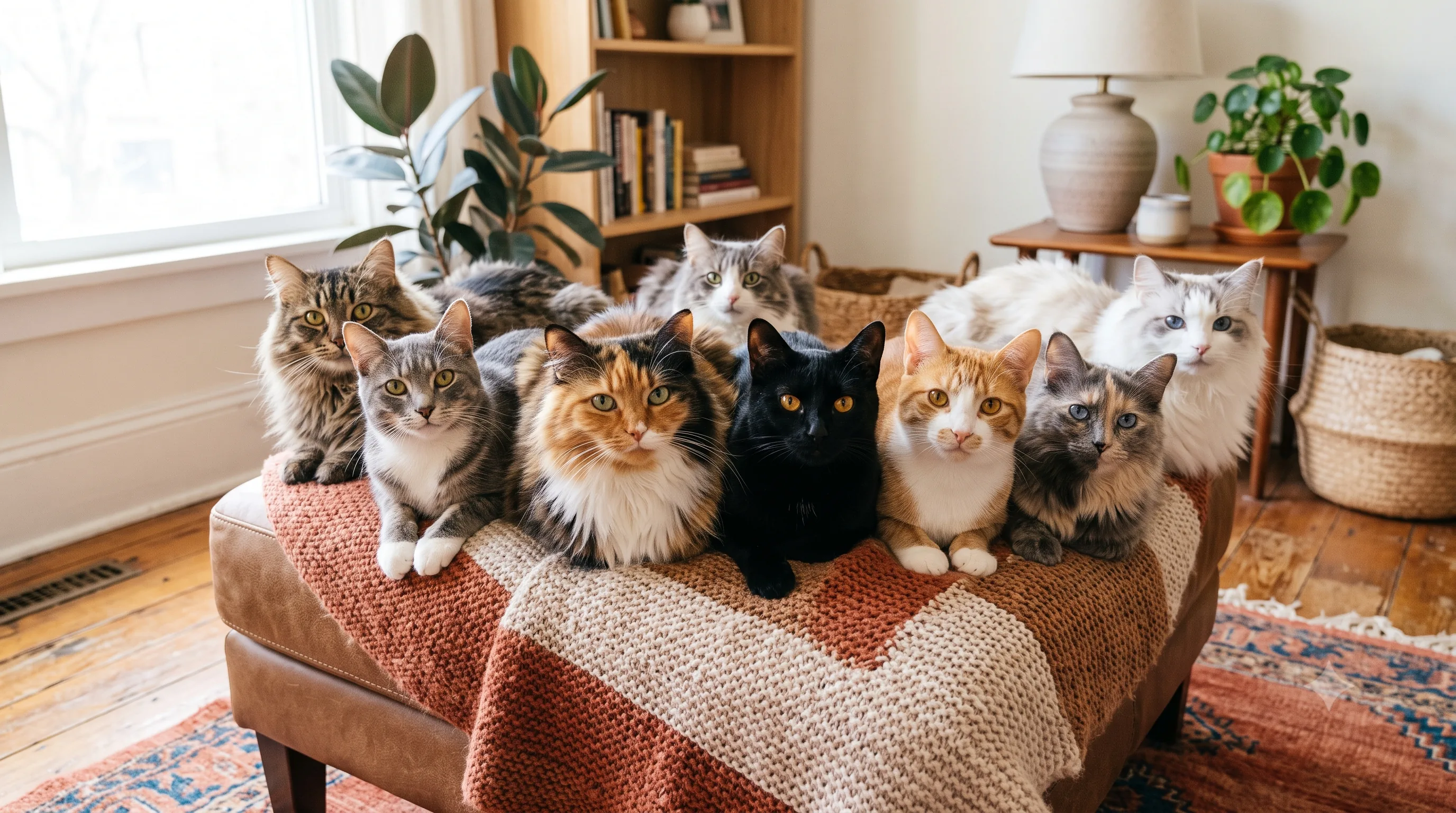
Mixed-breed cats are the most common cats in the world. Unlike purebred cats that are selectively bred for specific traits, mixed-breed cats come from a diverse genetic background, resulting in unique appearances, personalities, and characteristics.
Whether adopted from a shelter, rescued from the street, or welcomed from a local community, mixed-breed cats often become loving, loyal, and healthy companions.
Mixed-Breed Cat Overview
| Trait | Details |
|---|---|
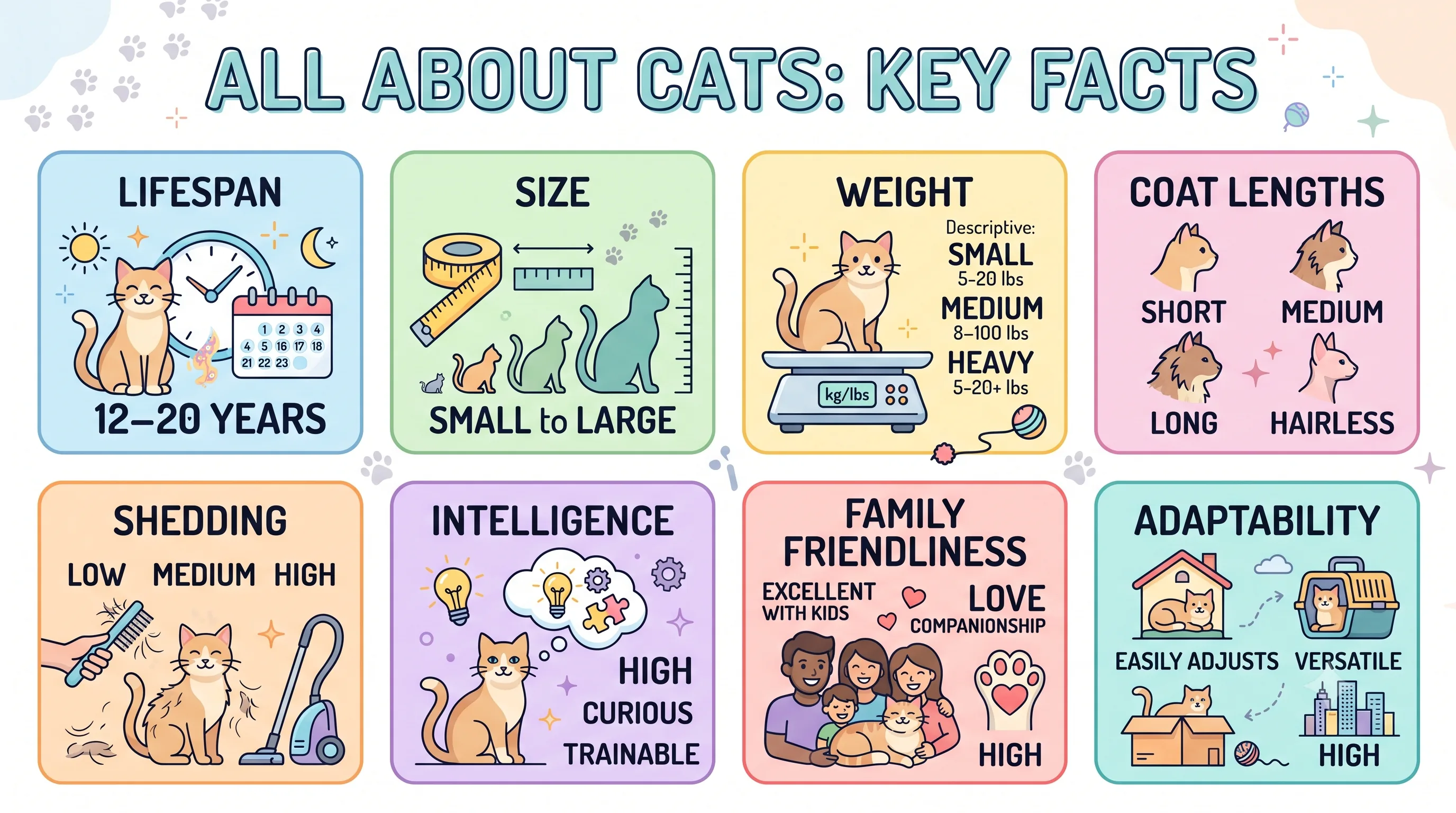
| Origin | Worldwide |
| Size | Small to Large |
| Weight | 2.5–8 kg+ |
| Lifespan | 12–20 years |
| Coat Type | Short, Medium, or Long |
| Shedding | Varies |
| Energy Level | Varies |
| Good With Kids | Usually |
| Good With Other Pets | Usually |
| Intelligence | Moderate to High |
What Is a Mixed-Breed Cat?
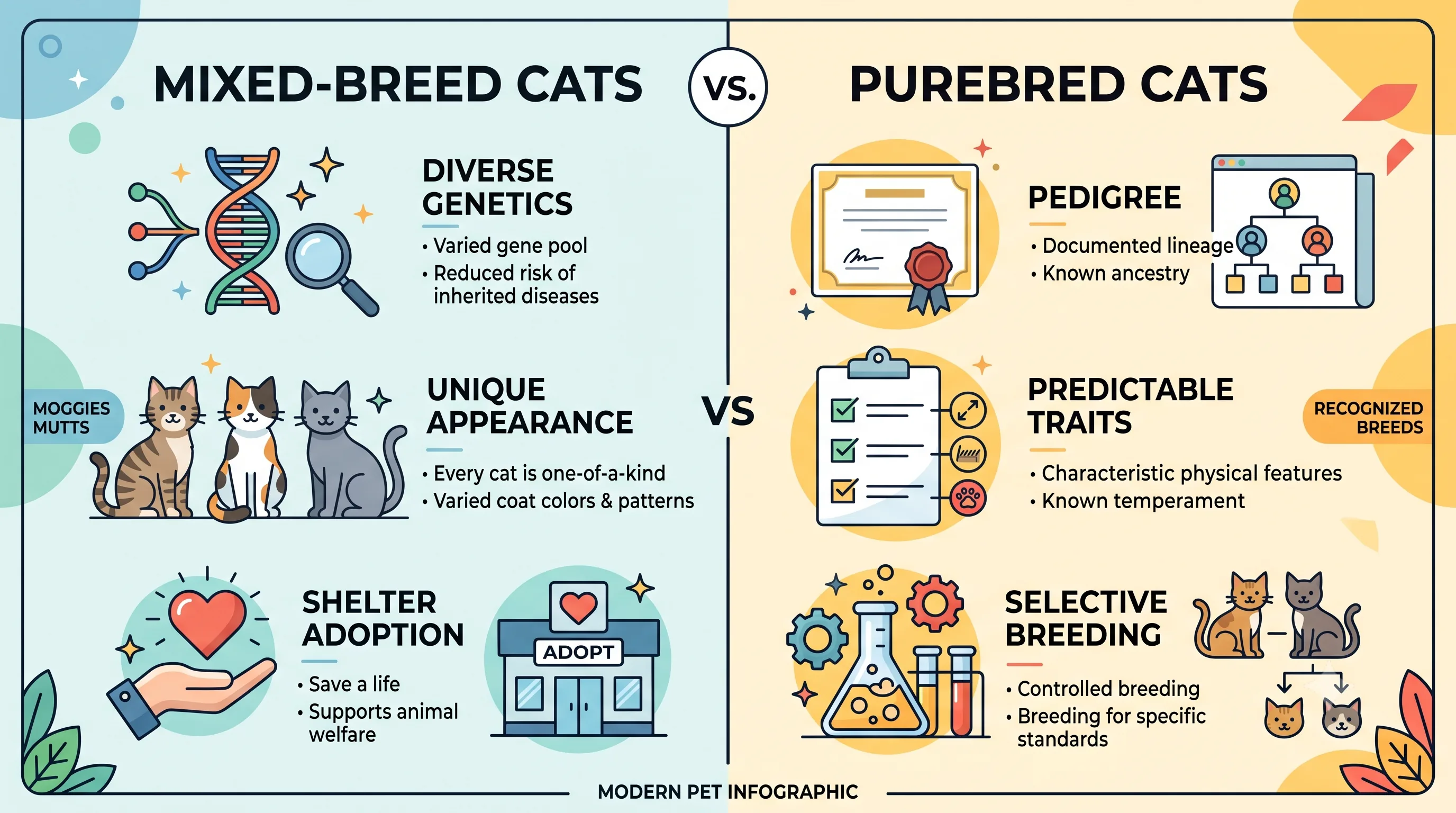
A mixed-breed cat is a cat whose ancestry includes multiple breeds or unknown genetic backgrounds.
Unlike pedigree cats, mixed-breed cats are not bred according to a specific breed standard.
Most pet cats around the world fall into this category.
Common Types
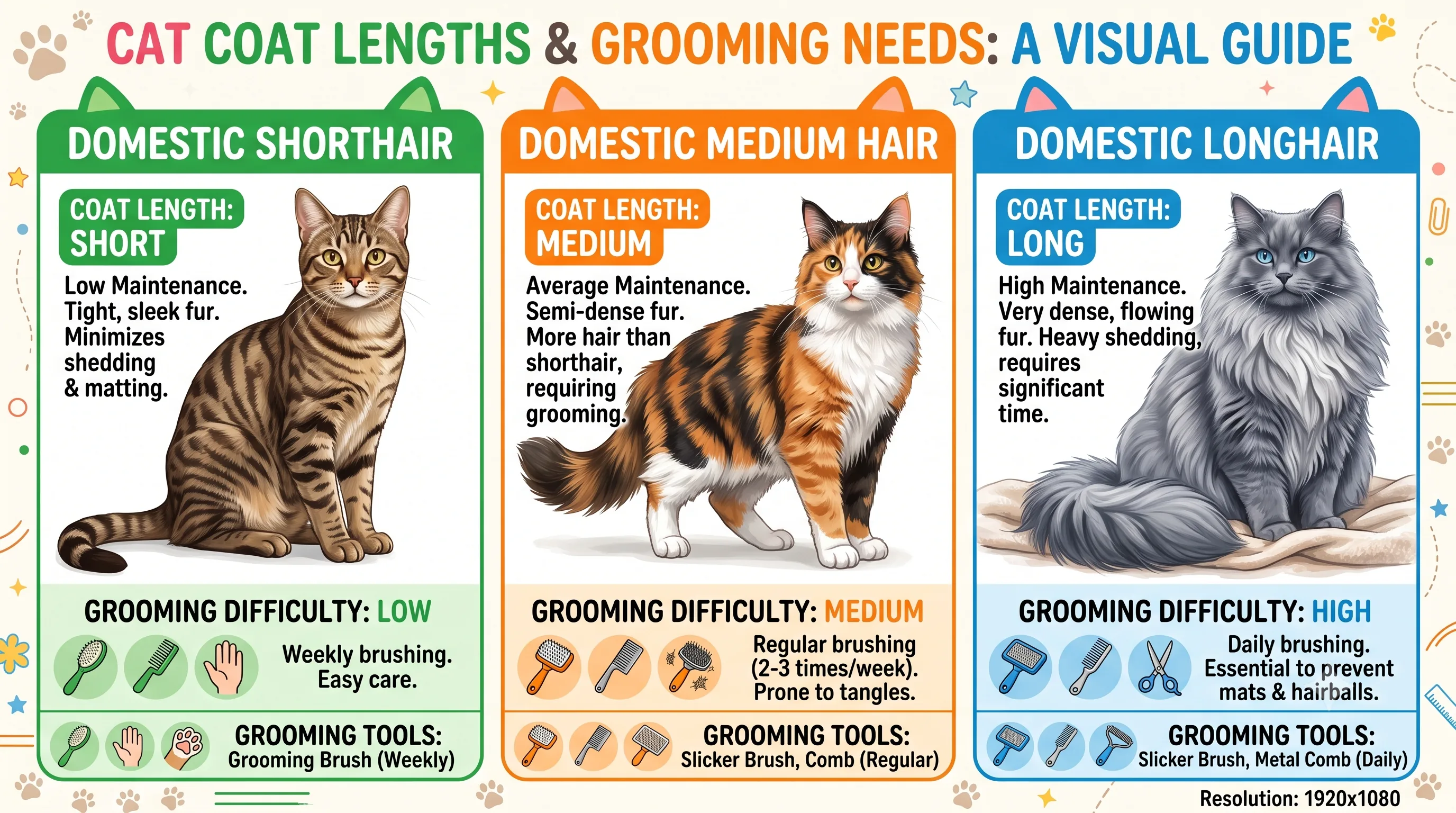
Domestic Shorthair
The most common pet cat type.
Characteristics:
- Short coat
- Easy grooming
- Wide variety of colors
- Adaptable personality
Domestic Medium Hair
Features:
- Medium-length coat
- Moderate grooming needs
- Diverse appearances
Domestic Longhair
Characteristics:
- Long fluffy coat
- More grooming requirements
- Beautiful coat variations
History of Mixed-Breed Cats

Mixed-breed cats have existed for thousands of years.
Unlike purebred cats, they evolved naturally alongside humans and often served as:
- Rodent controllers
- Farm cats
- Ship cats
- Household companions
Today, they remain the most widespread cat population worldwide.
Mixed-Breed Cat Appearance
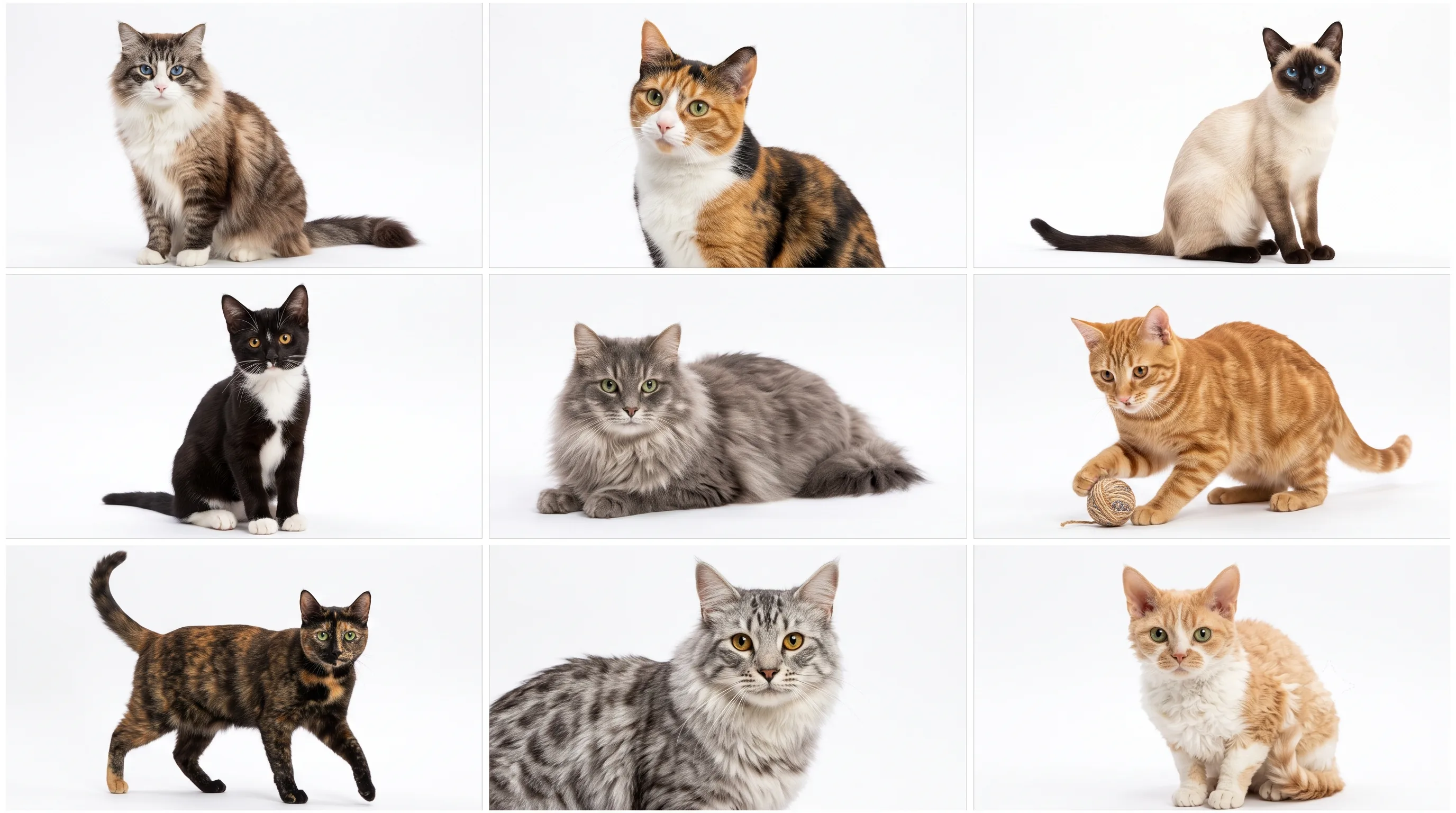
One of the most exciting aspects of mixed-breed cats is their incredible diversity.
Physical Characteristics
Depending on genetics, a mixed-breed cat may have:
- Any coat color
- Any eye color
- Any body shape
- Any fur length
- Unique markings
No two mixed-breed cats are exactly alike.
Common Coat Patterns
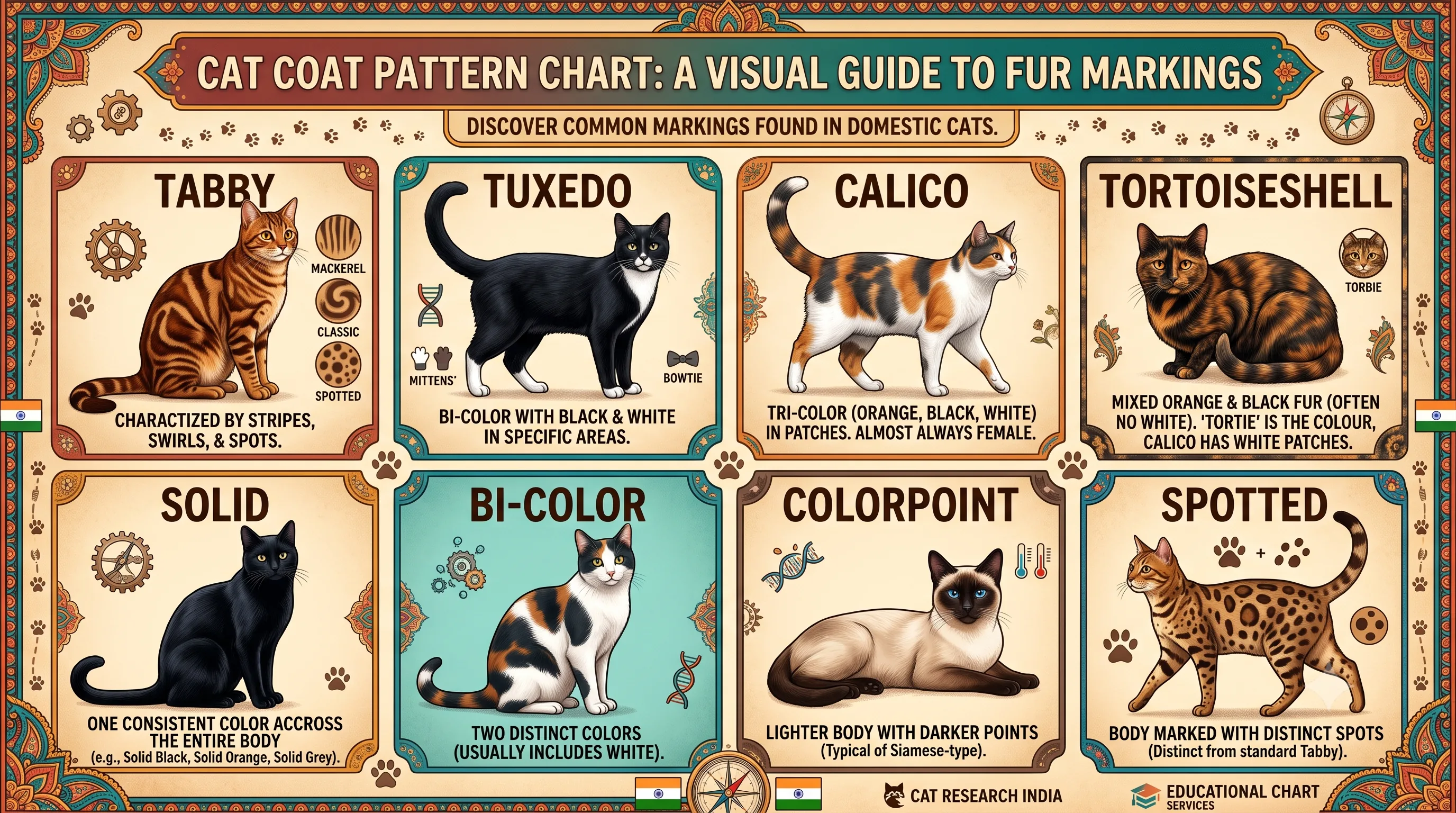
- Tabby
- Tuxedo
- Calico
- Tortoiseshell
- Solid
- Bi-color
- Colorpoint
- Spotted
Common Coat Colors
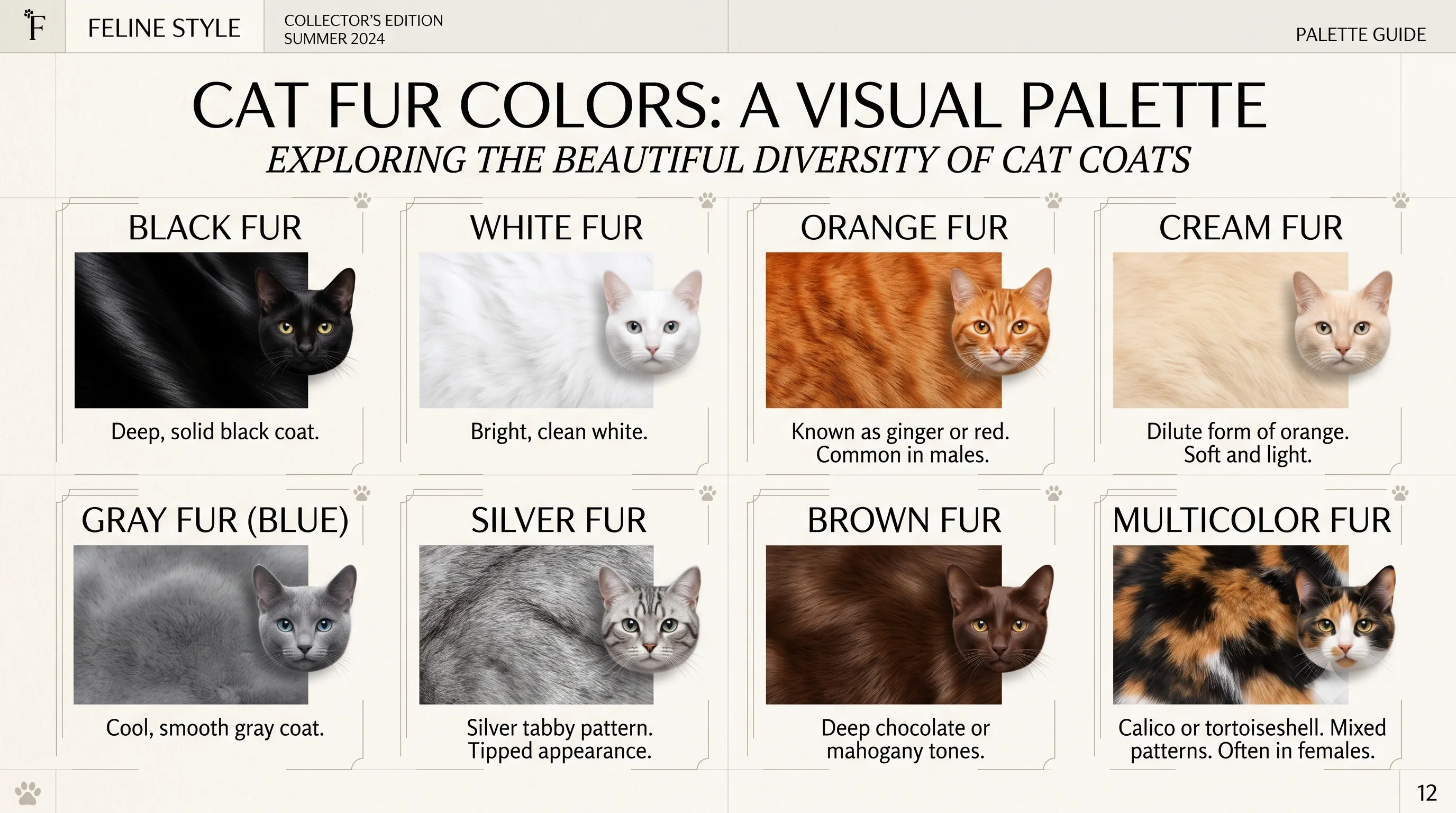
- Black
- White
- Gray
- Orange
- Cream
- Brown
- Silver
- Multi-colored combinations
Mixed-Breed Cat Personality
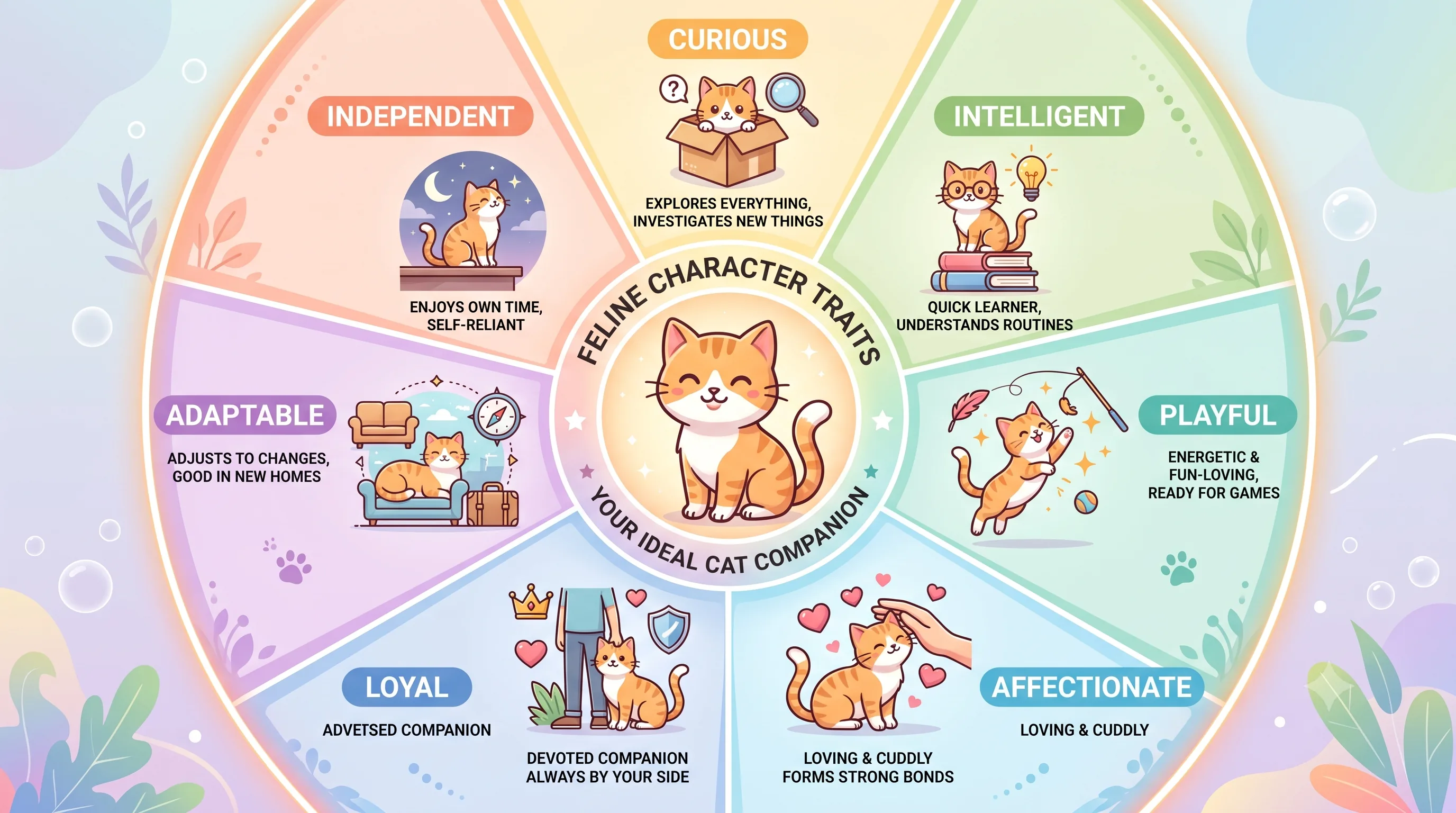
Personality can vary significantly from cat to cat.
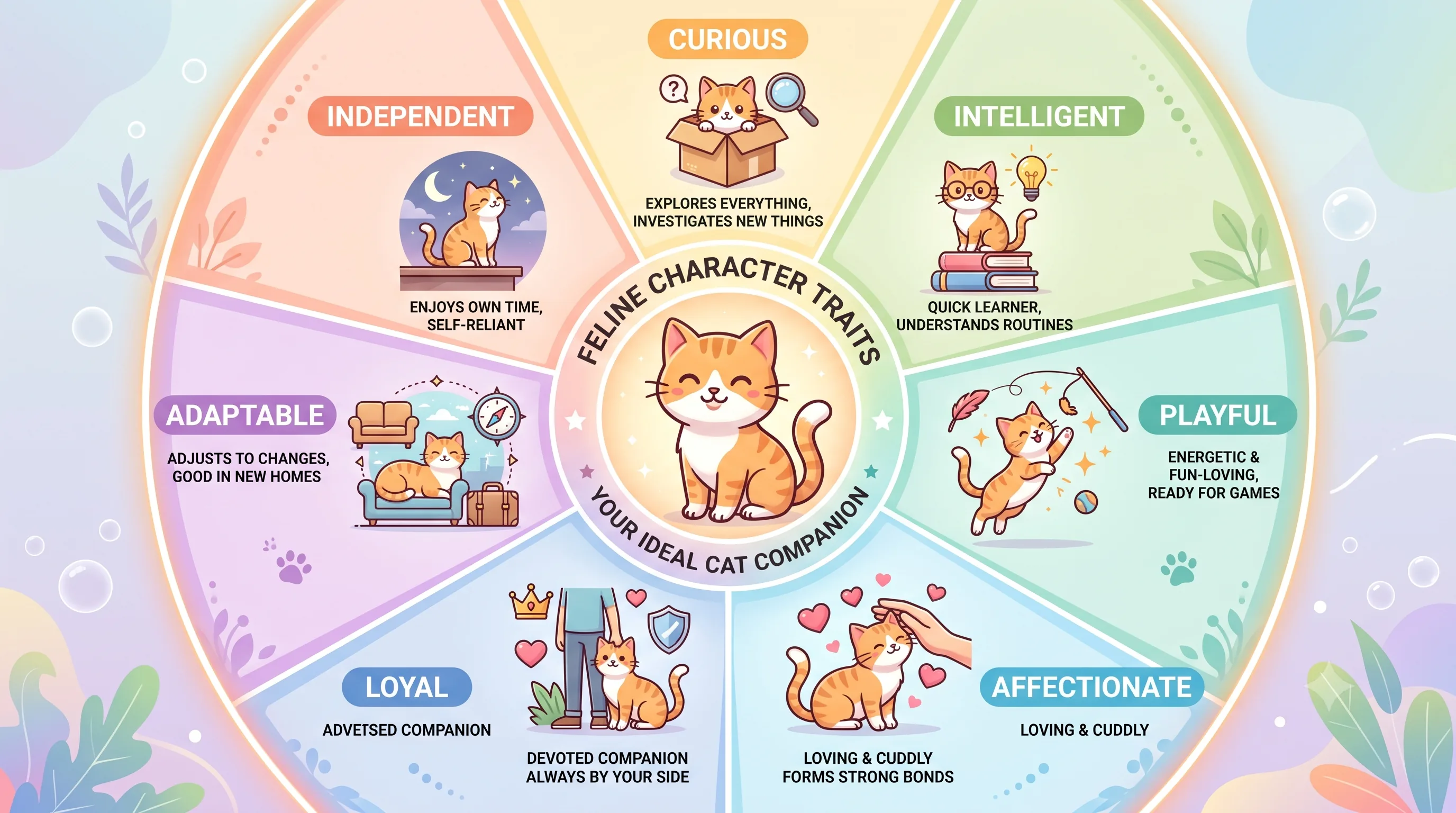
Common Personality Traits
Many mixed-breed cats are:
- Affectionate
- Curious
- Intelligent
- Adaptable
- Playful
- Independent
- Loyal
Their behavior is influenced by genetics, environment, and socialization.
Are Mixed-Breed Cats Good Family Pets?
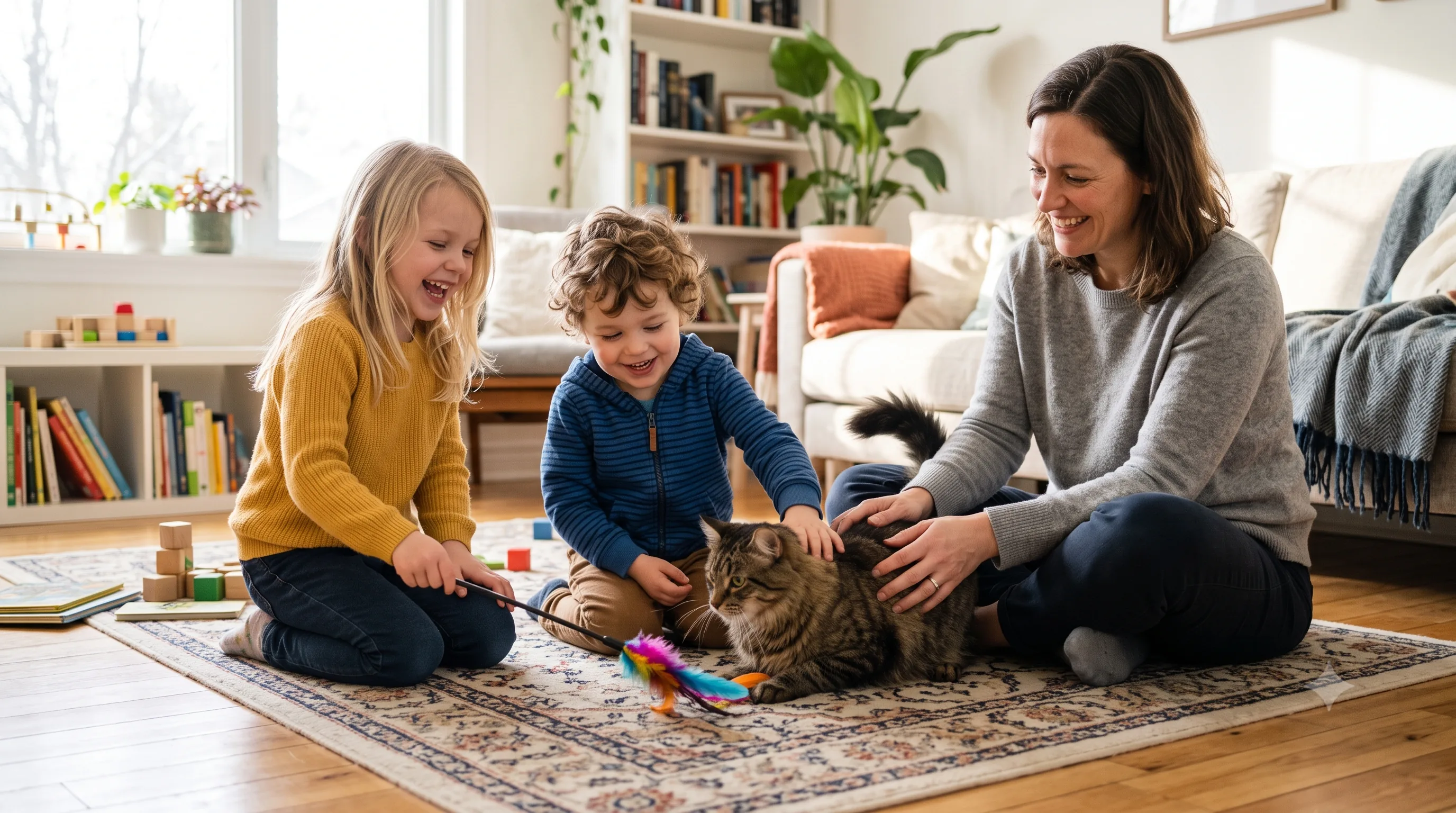
Absolutely.
Mixed-breed cats often make excellent family companions because they:
- Adapt well to different homes
- Come in a wide variety of personalities
- Are often resilient and healthy
- Can be highly affectionate
- Are commonly available through shelters and rescues
Many families find that mixed-breed cats are every bit as loving and enjoyable as purebred cats.
Why Are Mixed-Breed Cats So Popular?
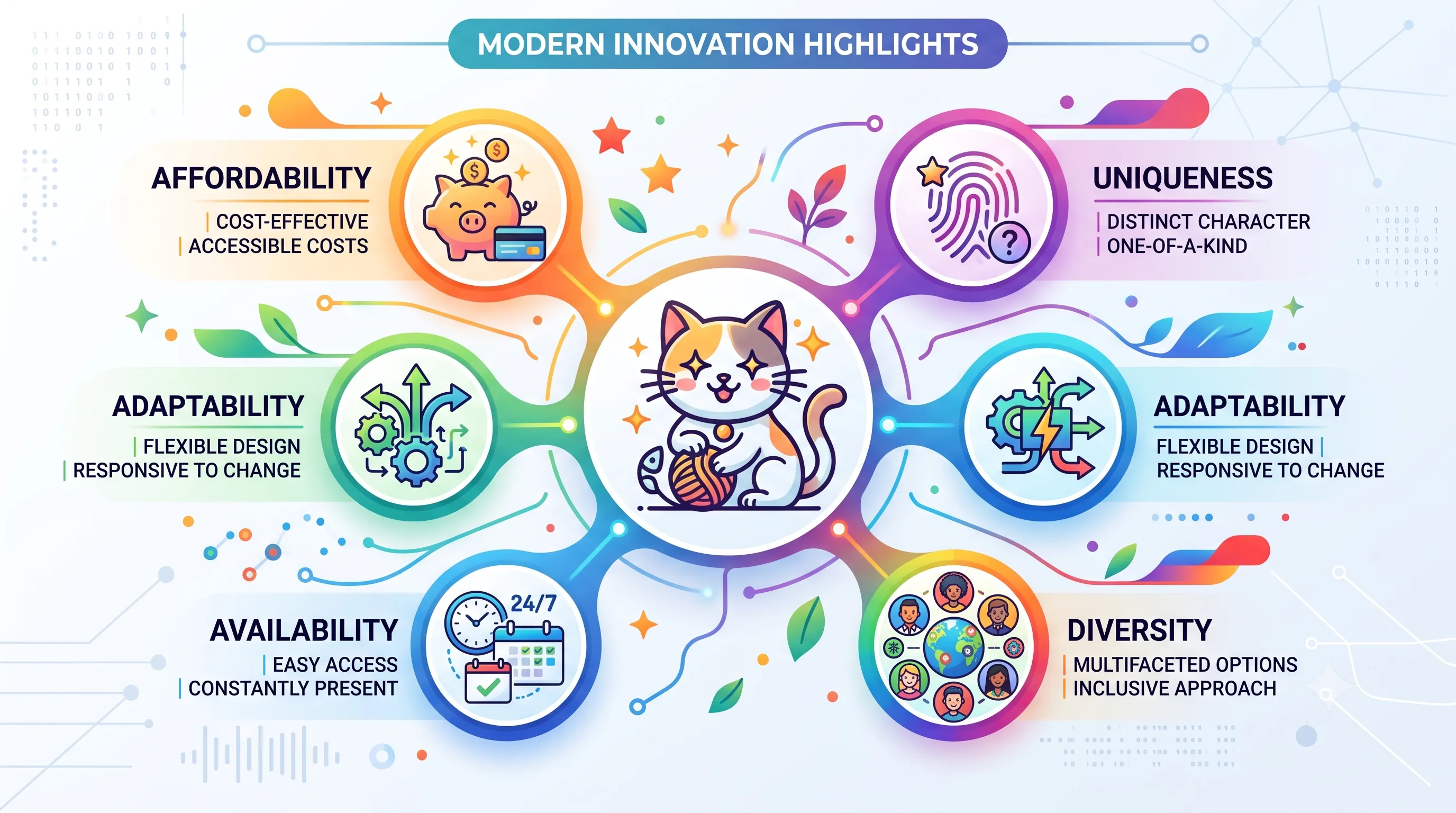
Mixed-breed cats are popular because they are:
- Easily available
- Affordable
- Unique
- Adaptable
- Diverse in appearance
Many cat owners appreciate the fact that every mixed-breed cat has its own special characteristics.
Exercise and Mental Stimulation
Like all cats, mixed-breed cats benefit from regular physical and mental activity.
Recommended Activities
- Wand toys
- Puzzle feeders
- Interactive toys
- Cat trees
- Scratching posts
- Climbing shelves
Daily play supports both physical health and emotional well-being.
Mixed-Breed Cat Grooming Requirements
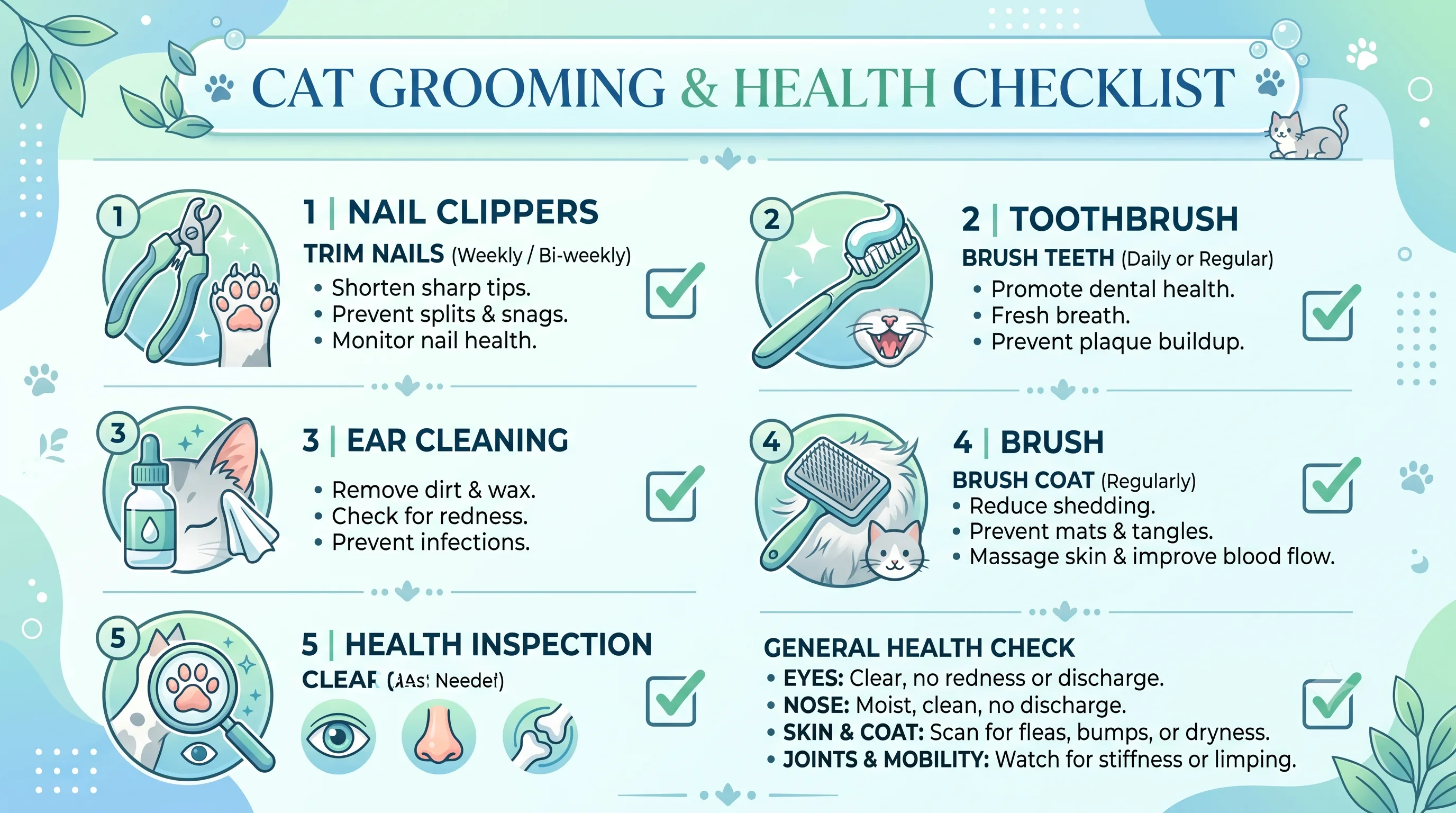
Grooming needs depend primarily on coat length.
Short-Haired Cats
- Weekly brushing
- Minimal coat maintenance
Medium-Haired Cats
- Brushing 1–2 times per week
Long-Haired Cats
- Several brushing sessions per week
- Extra grooming during shedding seasons
General Grooming Checklist
- Nail trimming
- Ear cleaning
- Dental care
- Routine coat inspection
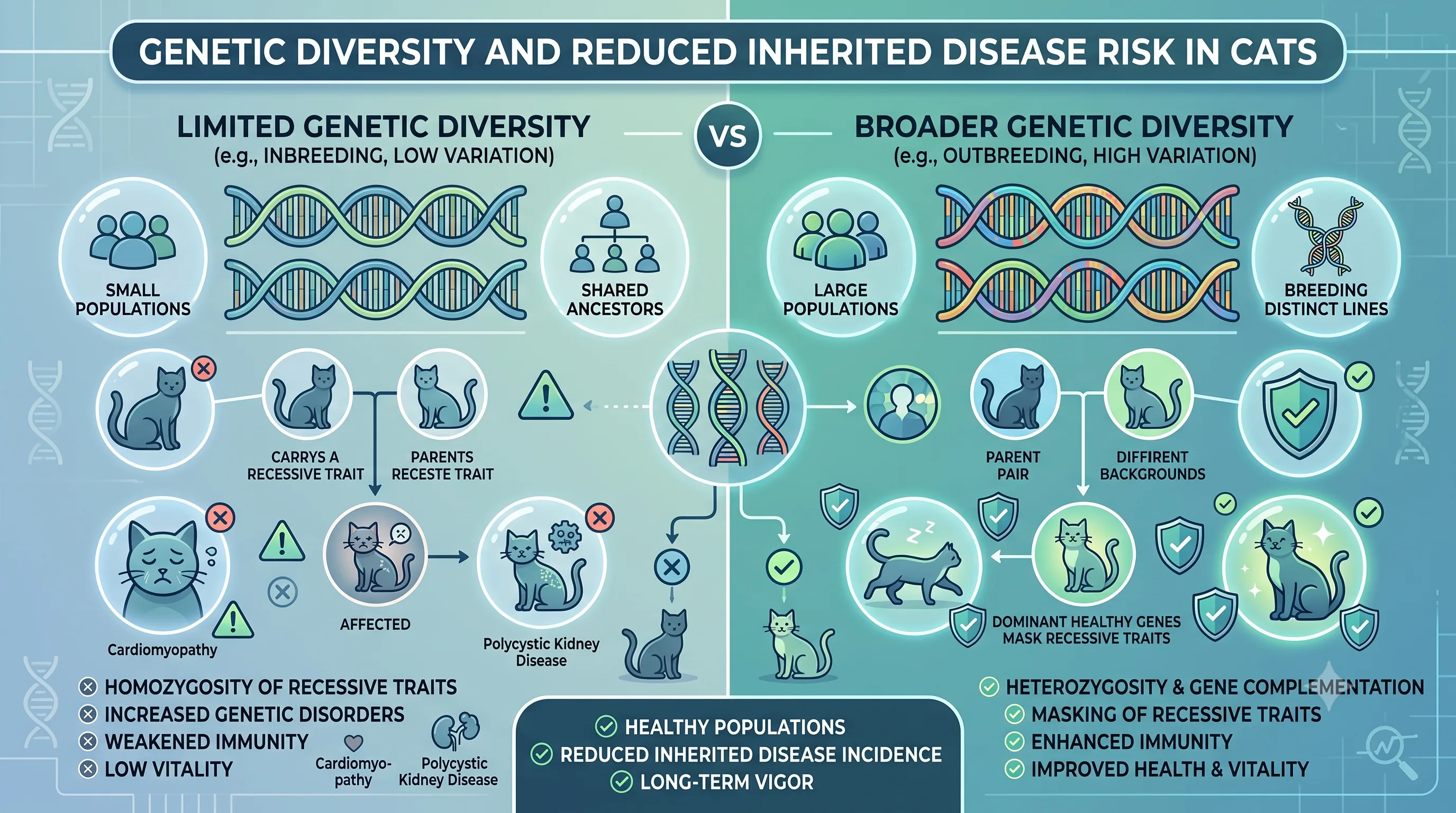
Are Mixed-Breed Cats Healthier Than Purebred Cats?
In many cases, yes.
Mixed-breed cats often benefit from greater genetic diversity, which can reduce the likelihood of certain inherited disorders.
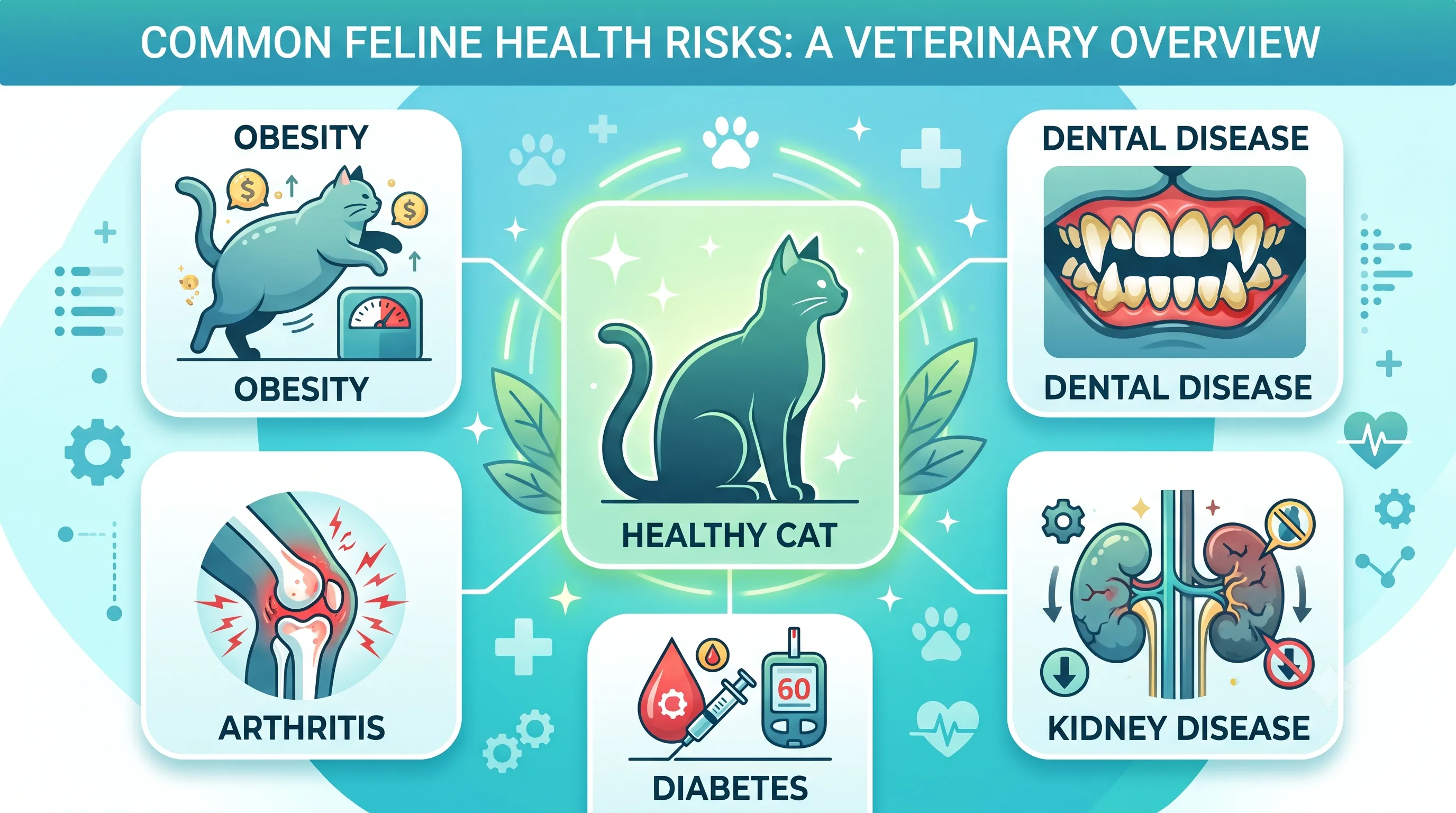
However, they can still experience common feline health problems.
Common Health Issues

- Obesity
- Dental Disease
- Kidney Disease
- Diabetes
- Arthritis in older cats
Regular veterinary care remains essential regardless of breed background.
Mixed-Breed Cat Diet
Nutrition requirements depend on age, size, activity level, and health status.
Recommended Nutrition
- High-quality protein
- Balanced fats
- Fresh water
- Portion-controlled feeding
A veterinarian can help determine the best diet for individual cats.
Mixed-Breed Cat Lifespan
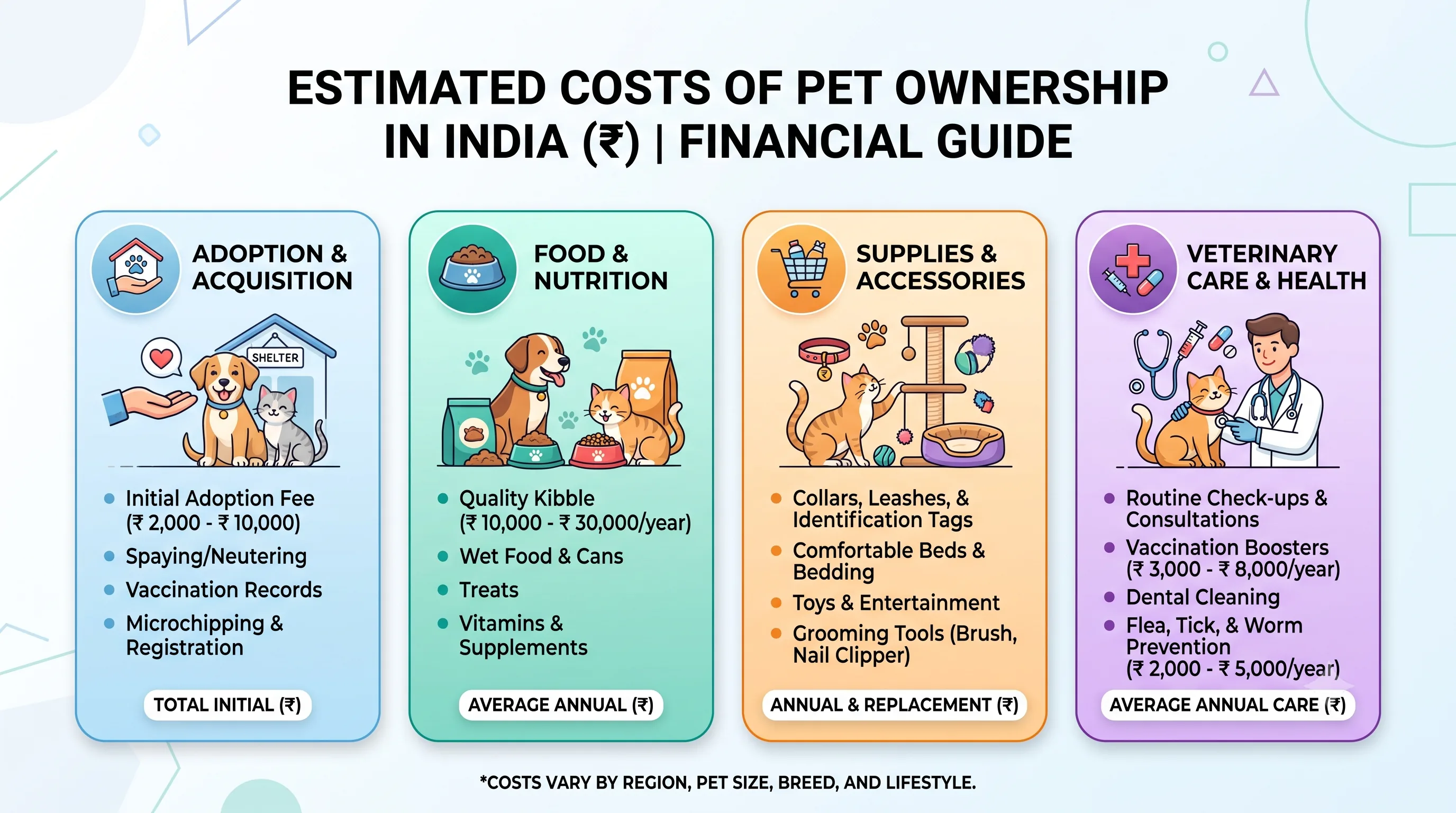
Mixed-breed cats often enjoy long lives.
Most live between 12 and 20 years, with many reaching their late teens and some exceeding 20 years of age.
Factors affecting lifespan include:
- Genetics
- Diet
- Veterinary care
- Exercise
- Indoor vs outdoor lifestyle
Indoor cats generally live significantly longer than outdoor cats.
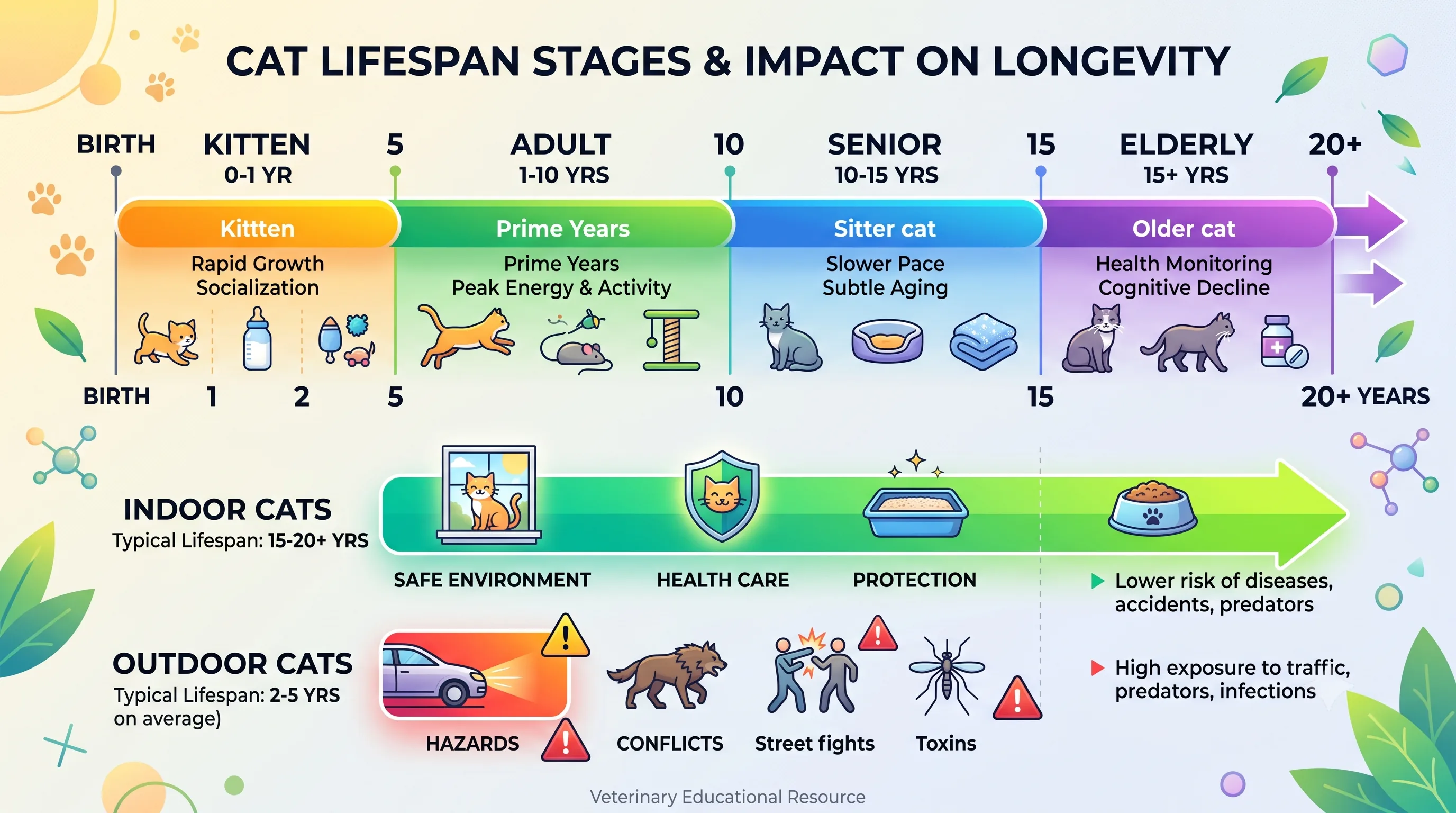
How Much Does a Mixed-Breed Cat Cost?
Mixed-breed cats are often the most affordable option for prospective pet owners.
Typical Costs
| Expense | Estimated Cost |
|---|---|
| Adoption Fee | ₹0–₹15,000 |
| Initial Supplies | ₹5,000–₹15,000 |
| Monthly Food | ₹1,000–₹4,000 |
| Veterinary Care | Varies |
Many shelters include vaccinations, health checks, and sterilization in the adoption fee.
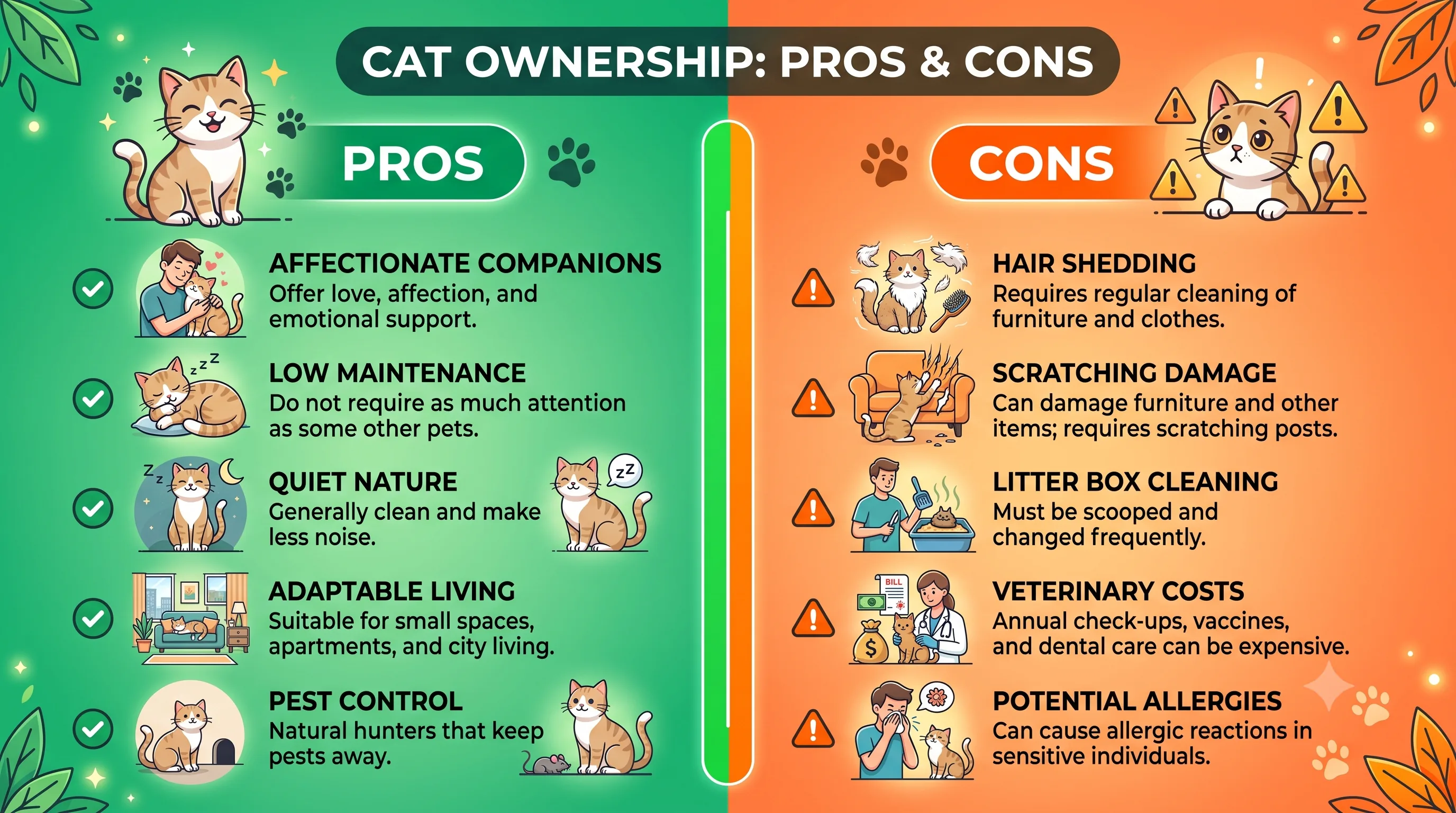
Pros and Cons of Mixed-Breed Cats

Pros
- Unique appearance
- Often healthier genetic diversity
- Widely available
- Affordable adoption options
- Variety of personalities
Cons
- Appearance can be unpredictable
- Personality traits vary
- Unknown ancestry in many cases
- Long-haired varieties may require more grooming
Frequently Asked Questions
Are mixed-breed cats good pets?
Yes. Many mixed-breed cats are affectionate, intelligent, and adaptable companions.
Do mixed-breed cats live longer?
They often enjoy long lifespans due to greater genetic diversity, though individual health varies.
Are mixed-breed cats healthier than purebred cats?
In many cases they have a lower risk of certain inherited genetic conditions, but they can still develop common feline illnesses.
Can mixed-breed cats be indoor-only pets?
Absolutely. Indoor living is often safer and contributes to a longer lifespan.
Are shelter cats usually mixed-breed cats?
Yes. Most cats available for adoption in shelters are mixed-breed cats.
Should You Adopt a Mixed-Breed Cat?
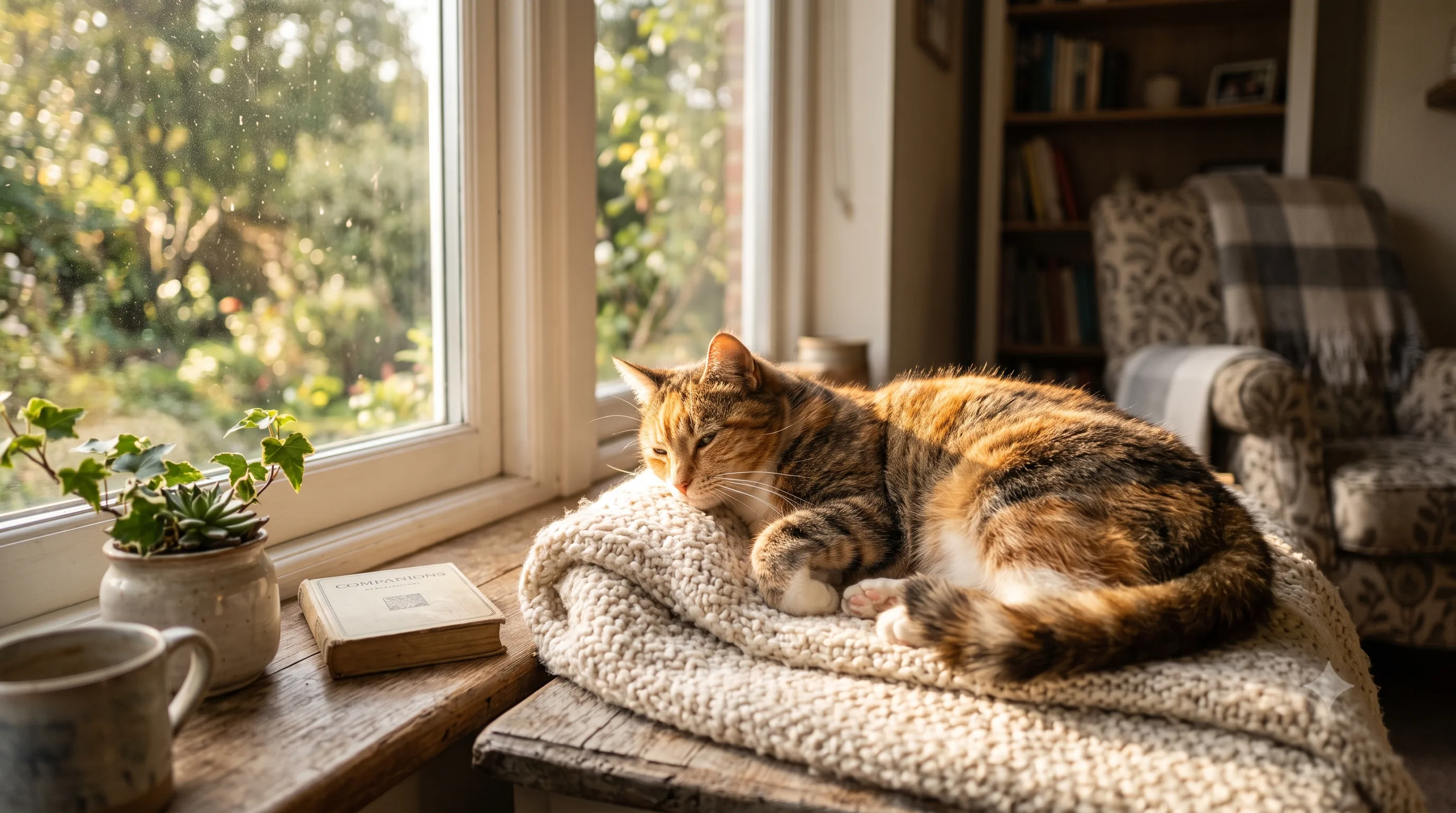
If you're looking for a loving companion, adopting a mixed-breed cat can be one of the most rewarding decisions you make.
Benefits include:
- Saving a life
- Lower adoption costs
- Wide variety of personalities
- Unique appearance
- Excellent companionship
Many experienced cat owners believe that mixed-breed cats make some of the best pets in the world.
Final Thoughts
Mixed-breed cats may not have a pedigree certificate, but they make up the vast majority of beloved companion cats worldwide. Their unique appearance, diverse personalities, and often excellent health make them fantastic pets for families, singles, seniors, and first-time cat owners alike.
Whether you adopt a playful kitten, rescue an adult cat, or welcome a senior companion into your home, a mixed-breed cat can provide years of affection, companionship, and unforgettable memories.
If you're considering bringing a cat into your life, don't overlook the countless wonderful mixed-breed cats waiting for a loving home.
Related articles
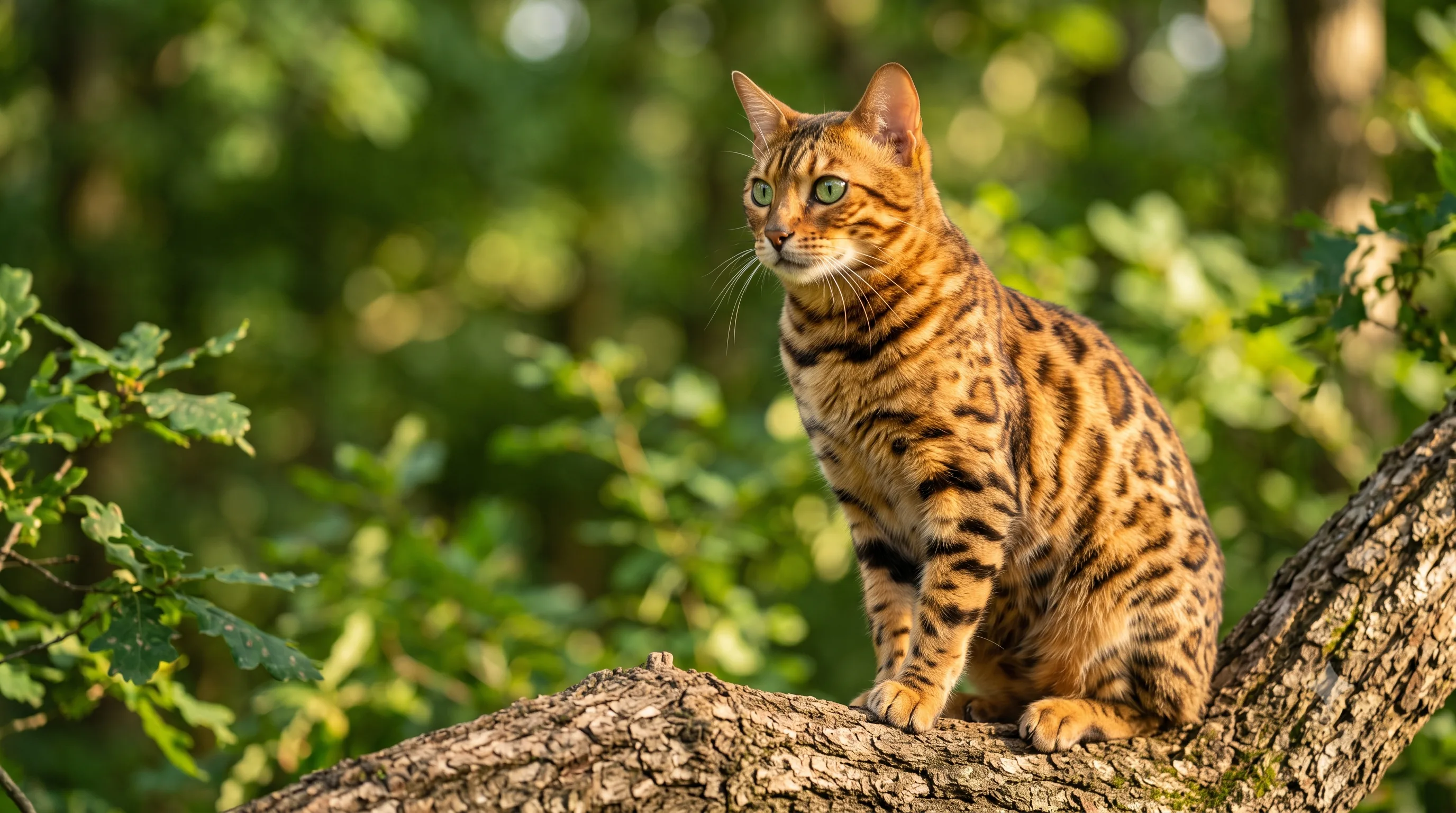
Bengal Cat: Complete Guide to Personality, Care, Lifespan, and Cost
Learn everything about Bengal cats, including personality, appearance, exercise needs, health concerns, lifespan, diet, and ownership costs.
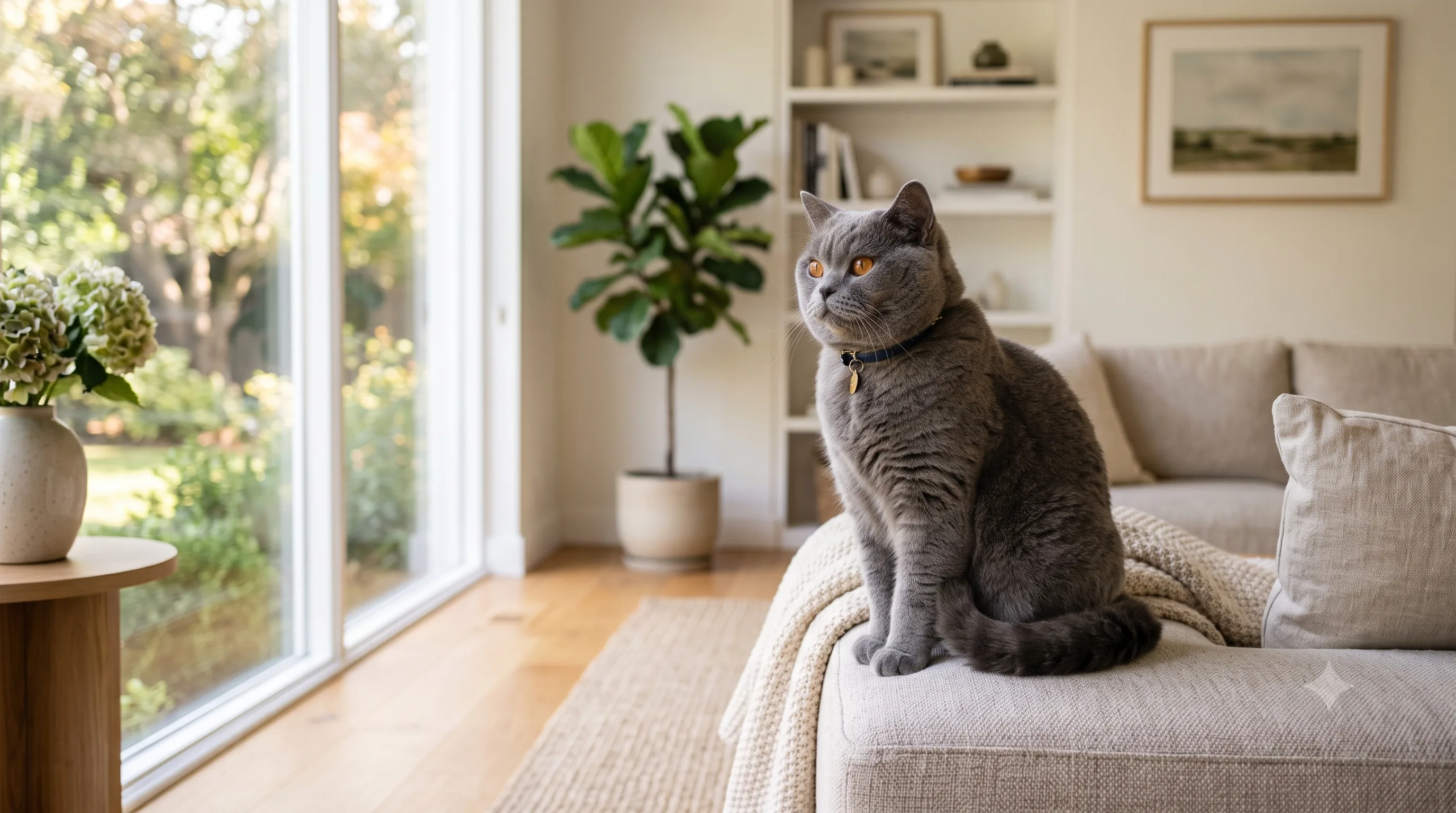
British Shorthair Cat: Complete Guide to Personality, Care, Lifespan, and Cost
Learn everything about British Shorthair cats, including personality, appearance, grooming needs, health concerns, lifespan, diet, and ownership costs.
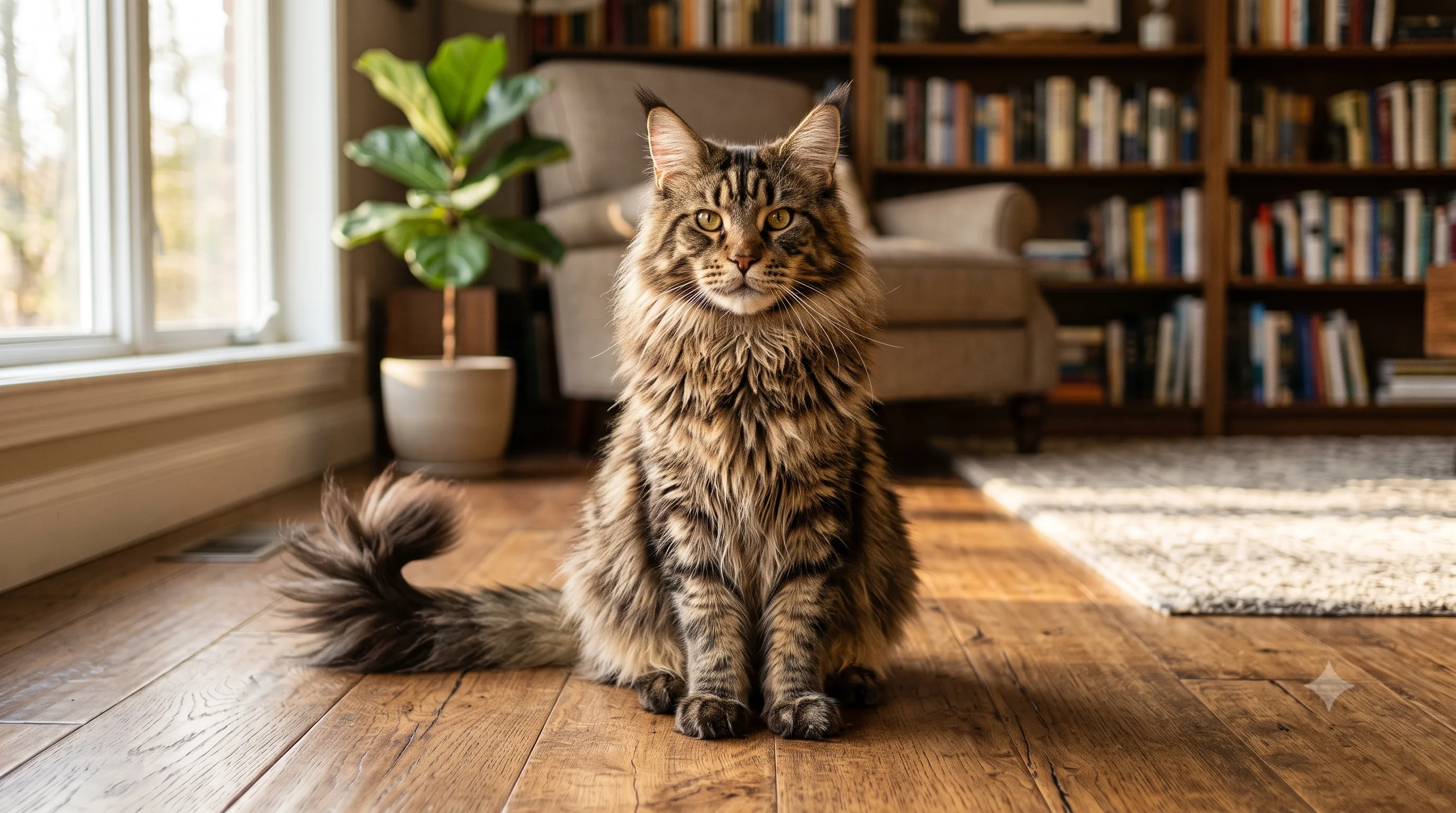
Maine Coon Cat: Complete Guide to Personality, Care, Lifespan, and Cost
Learn everything about Maine Coon cats, including personality, size, grooming needs, health concerns, lifespan, diet, and ownership costs.