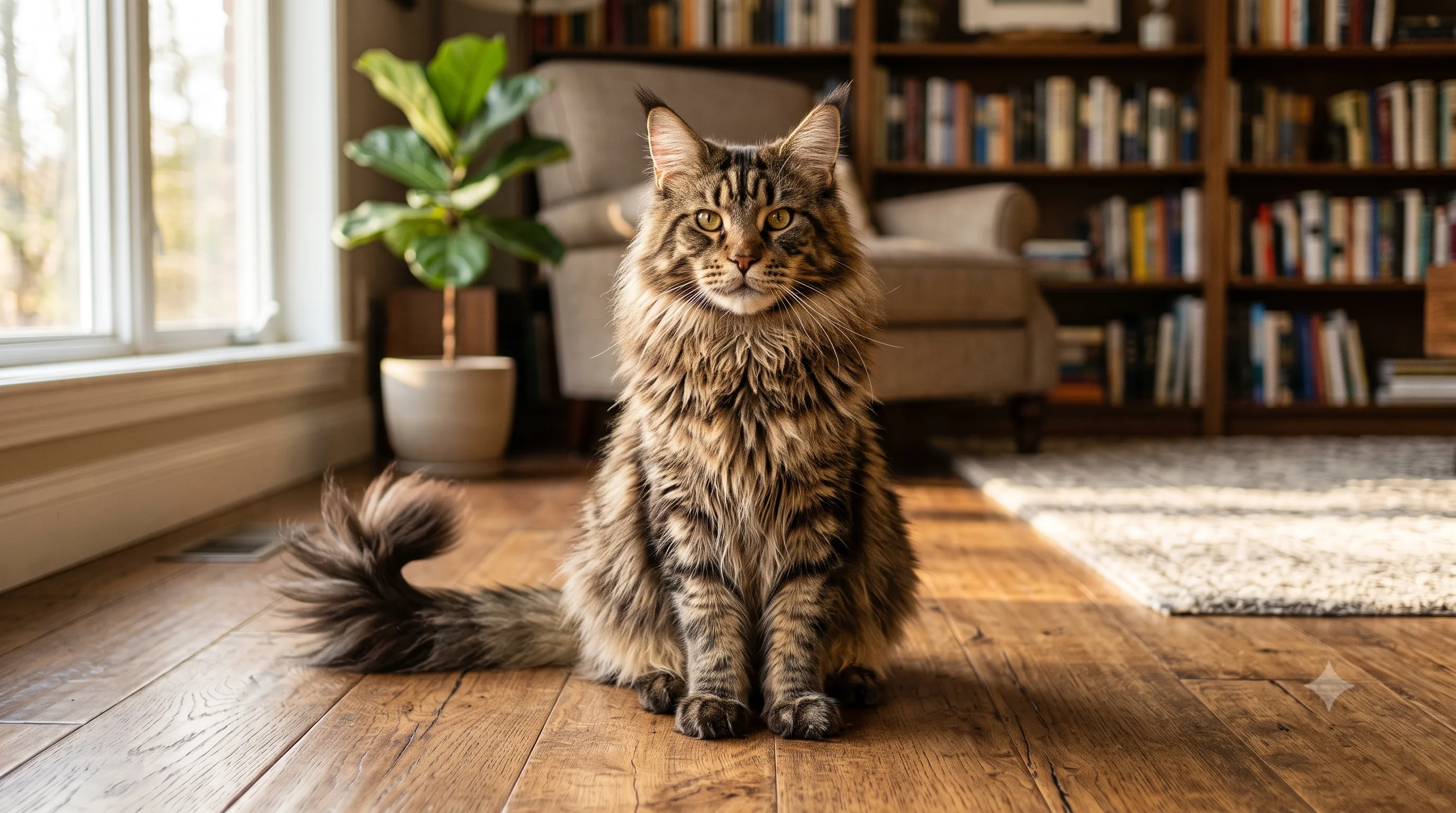
Maine Coon Cat: Complete Guide to Personality, Care, Lifespan, and Cost
Maine Coons are one of the largest and most popular domestic cat breeds in the world. Often referred to as the "gentle giants" of the cat world, they are known for their impressive size, friendly nature, intelligence, and beautiful long coats.
Whether you're considering adopting a Maine Coon or simply want to learn more about this fascinating breed, this guide covers everything you need to know.
Maine Coon Overview
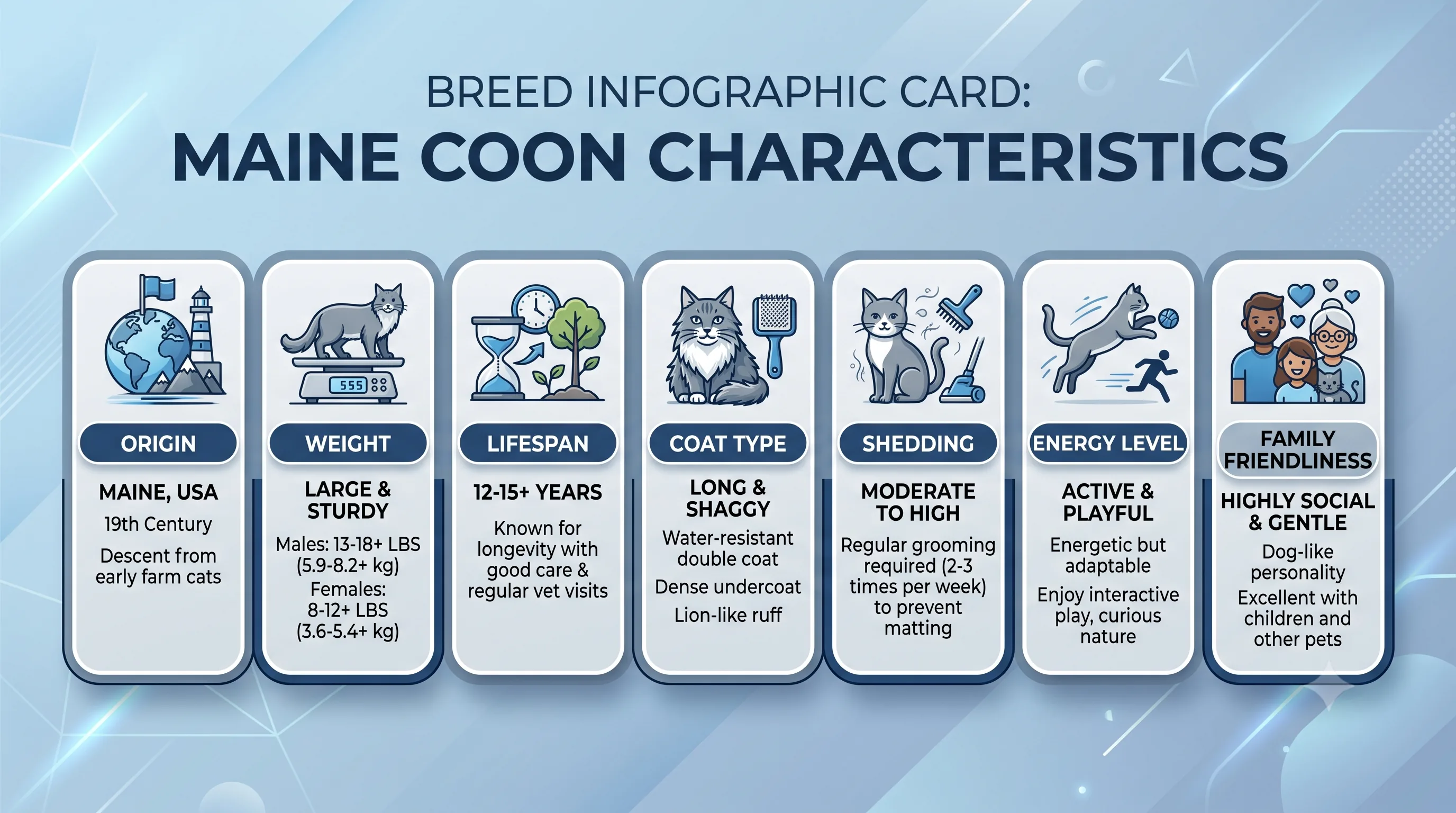
| Trait | Details |
|---|---|
| Origin | Maine, United States |
| Size | Large to Giant |
| Weight | 4–11 kg |
| Lifespan | 12–15 years |
| Coat Type | Long-haired |
| Shedding | Moderate to High |
| Energy Level | Moderate |
| Good With Kids | Excellent |
| Good With Other Pets | Excellent |
History of Maine Coon Cats
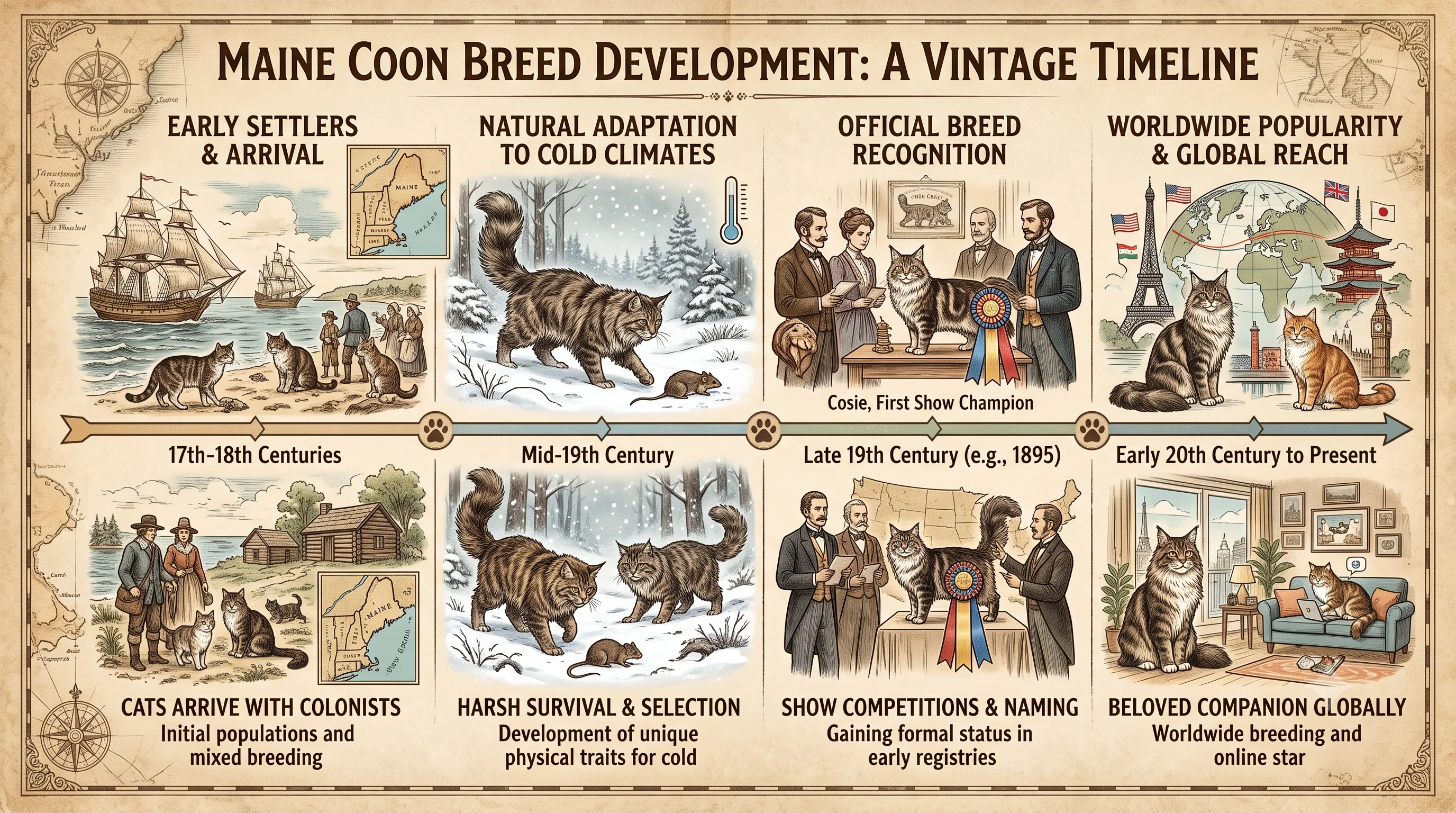
The Maine Coon is one of the oldest natural cat breeds in North America. Originating in the state of Maine, these cats developed naturally to survive harsh winters thanks to their thick coats and sturdy bodies.
While several legends exist about their origin, most experts believe they descended from long-haired cats brought to North America by sailors and settlers.
Today, Maine Coons are among the most beloved cat breeds worldwide.
Maine Coon Appearance
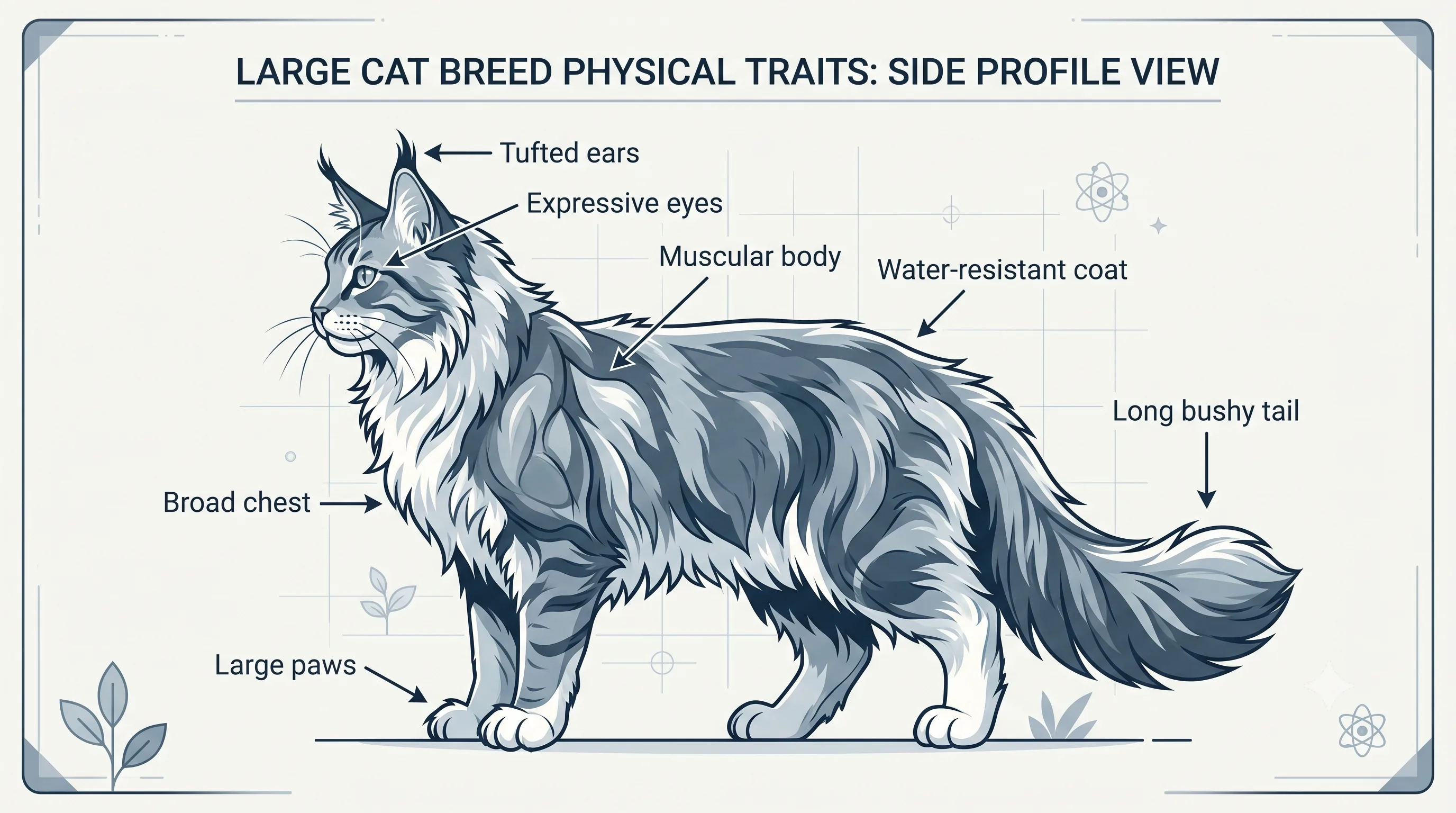
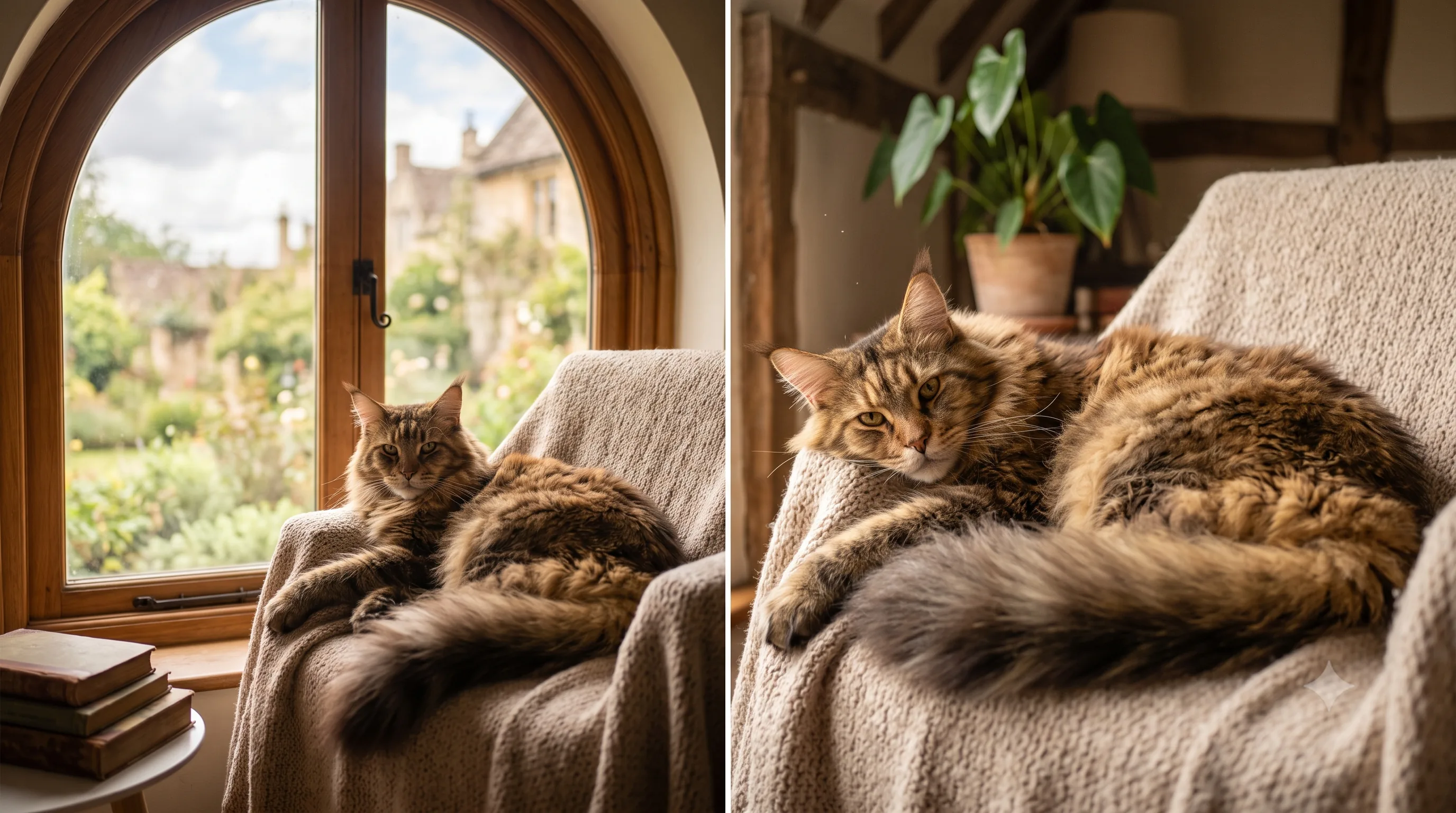
Maine Coons are instantly recognizable due to their large size and majestic appearance.
Physical Characteristics
- Large muscular body
- Broad chest
- Long bushy tail
- Large tufted ears
- Thick water-resistant coat
- Strong paws with fur tufts
- Expressive oval eyes
Coat Colors
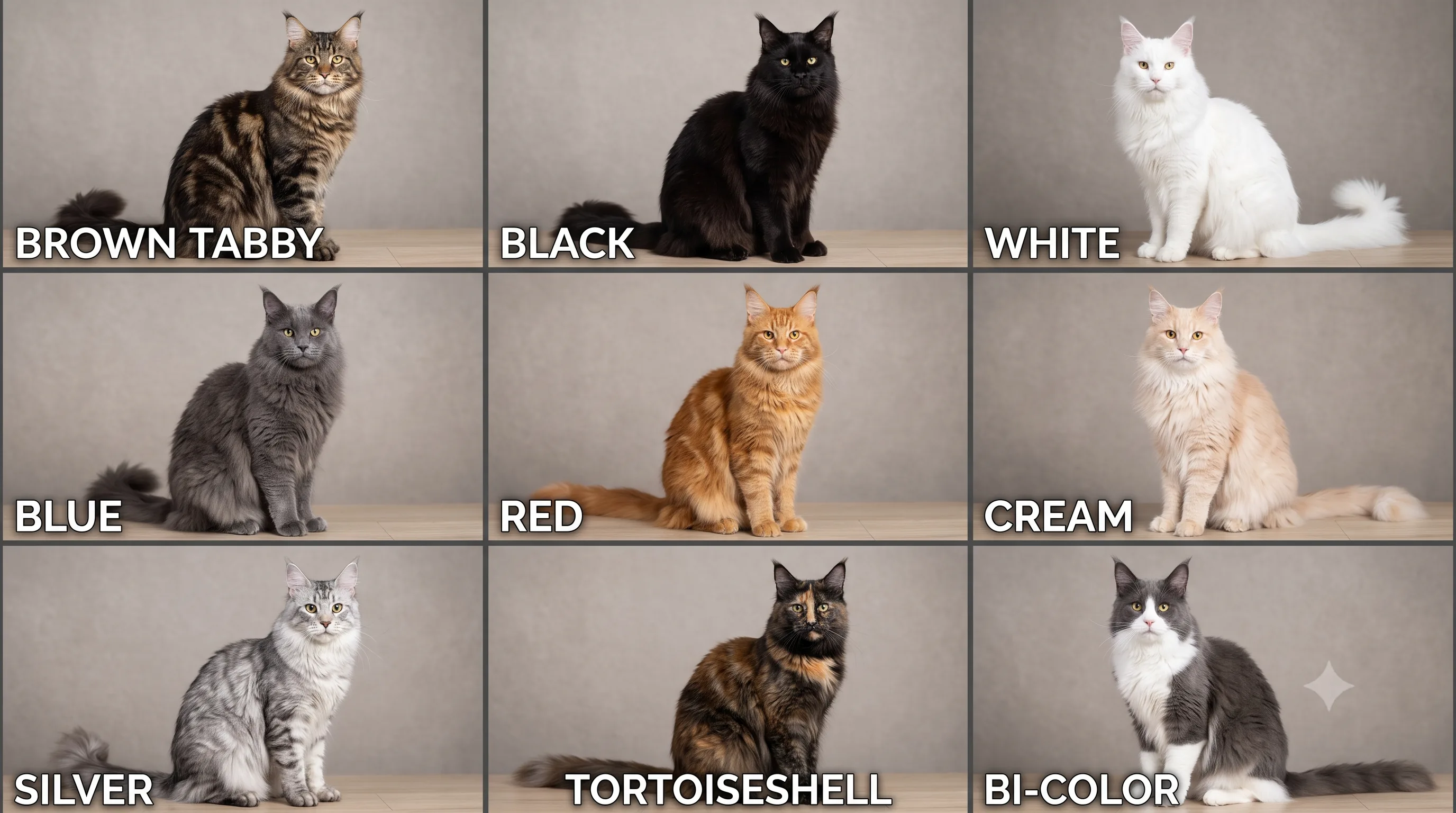
Maine Coons come in a wide variety of colors and patterns including:
- Brown Tabby
- Black
- White
- Blue
- Red
- Cream
- Silver
- Tortoiseshell
- Bi-color
How Big Do Maine Coon Cats Get?
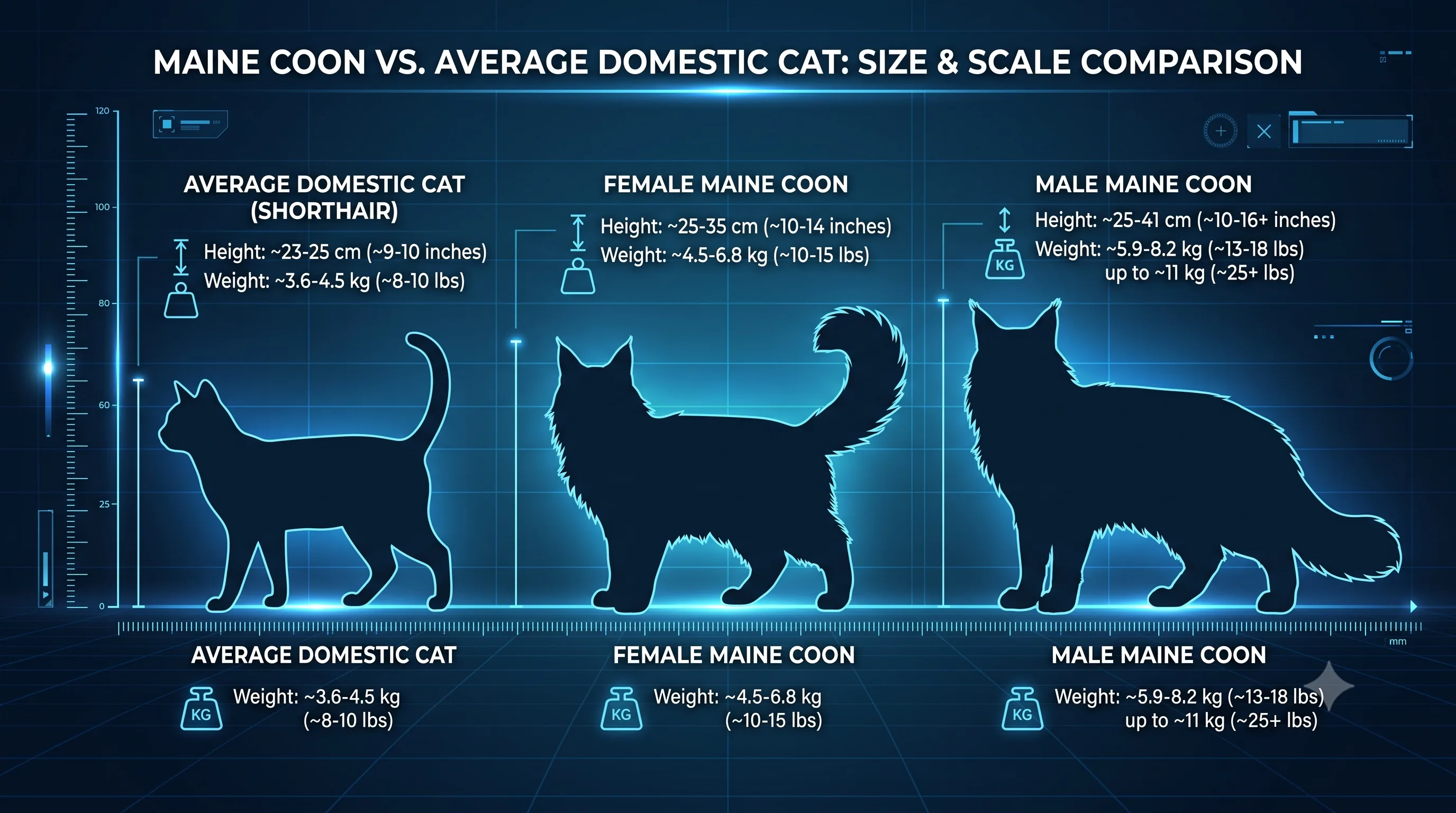
Maine Coons are among the largest domestic cat breeds.
Average Size
| Gender | Weight |
|---|---|
| Male | 6–11 kg |
| Female | 4–8 kg |
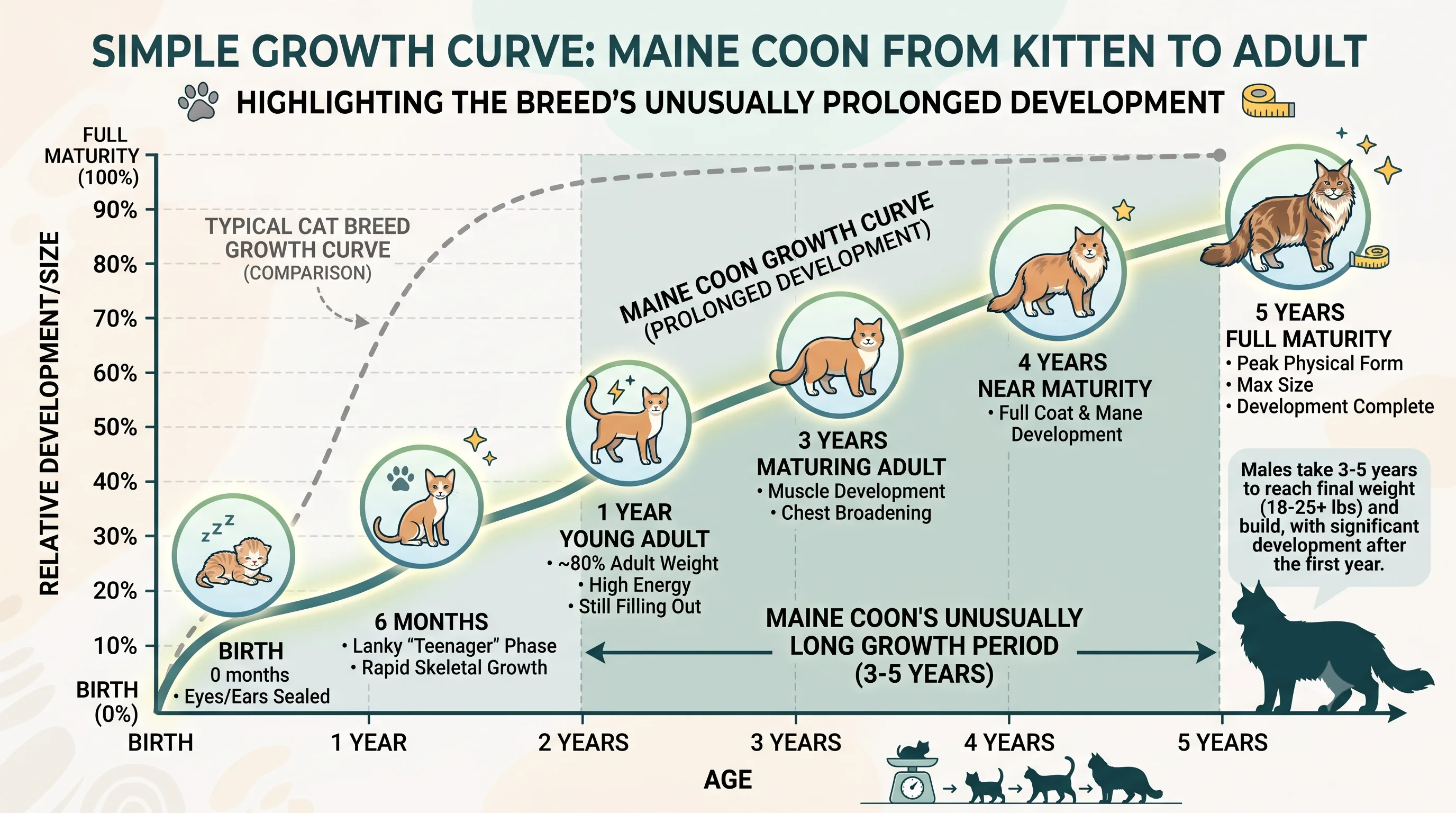
Unlike most cat breeds, Maine Coons continue growing until they are around 3–5 years old.
Maine Coon Personality
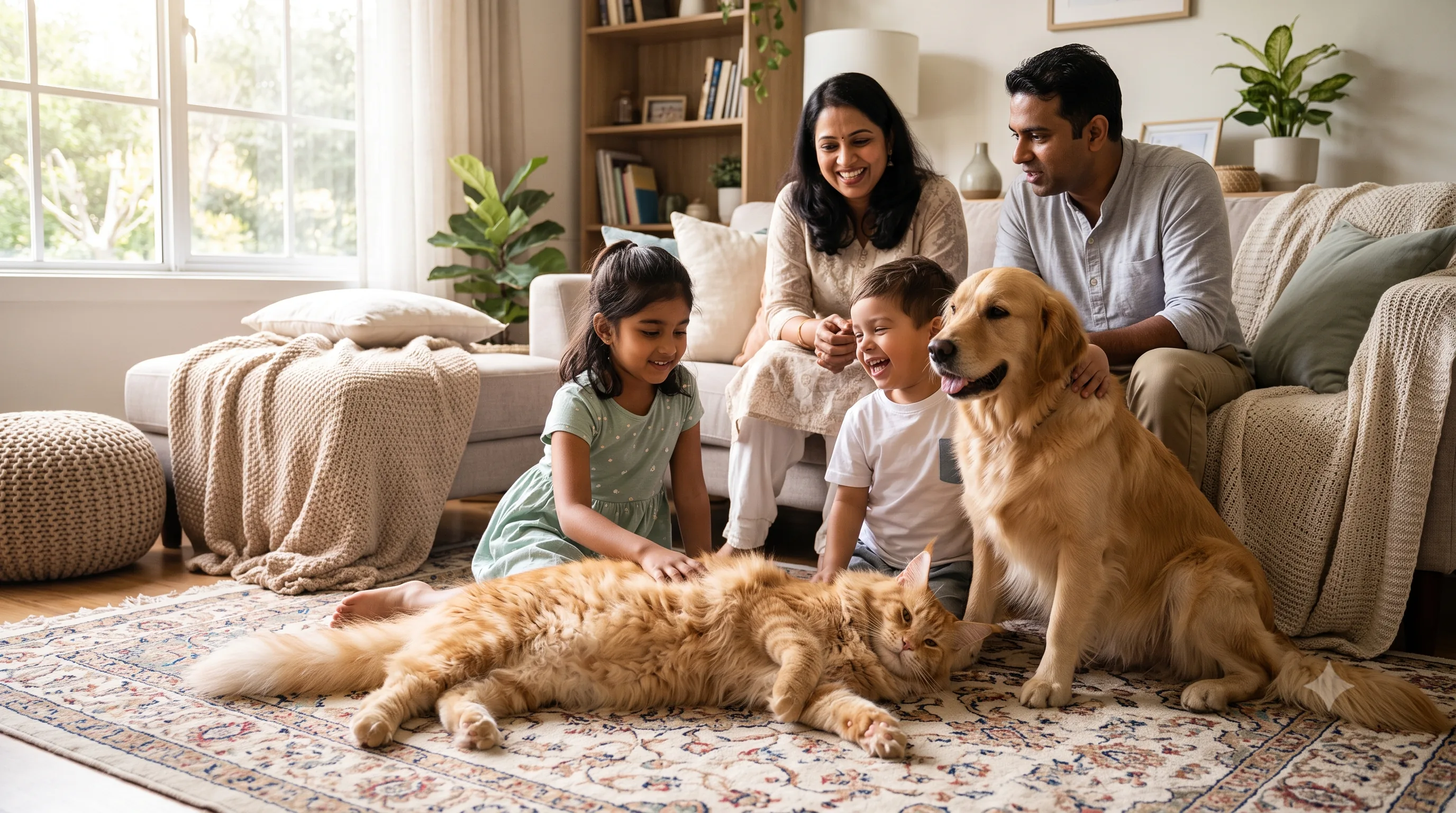
One reason for the breed's popularity is its wonderful temperament.
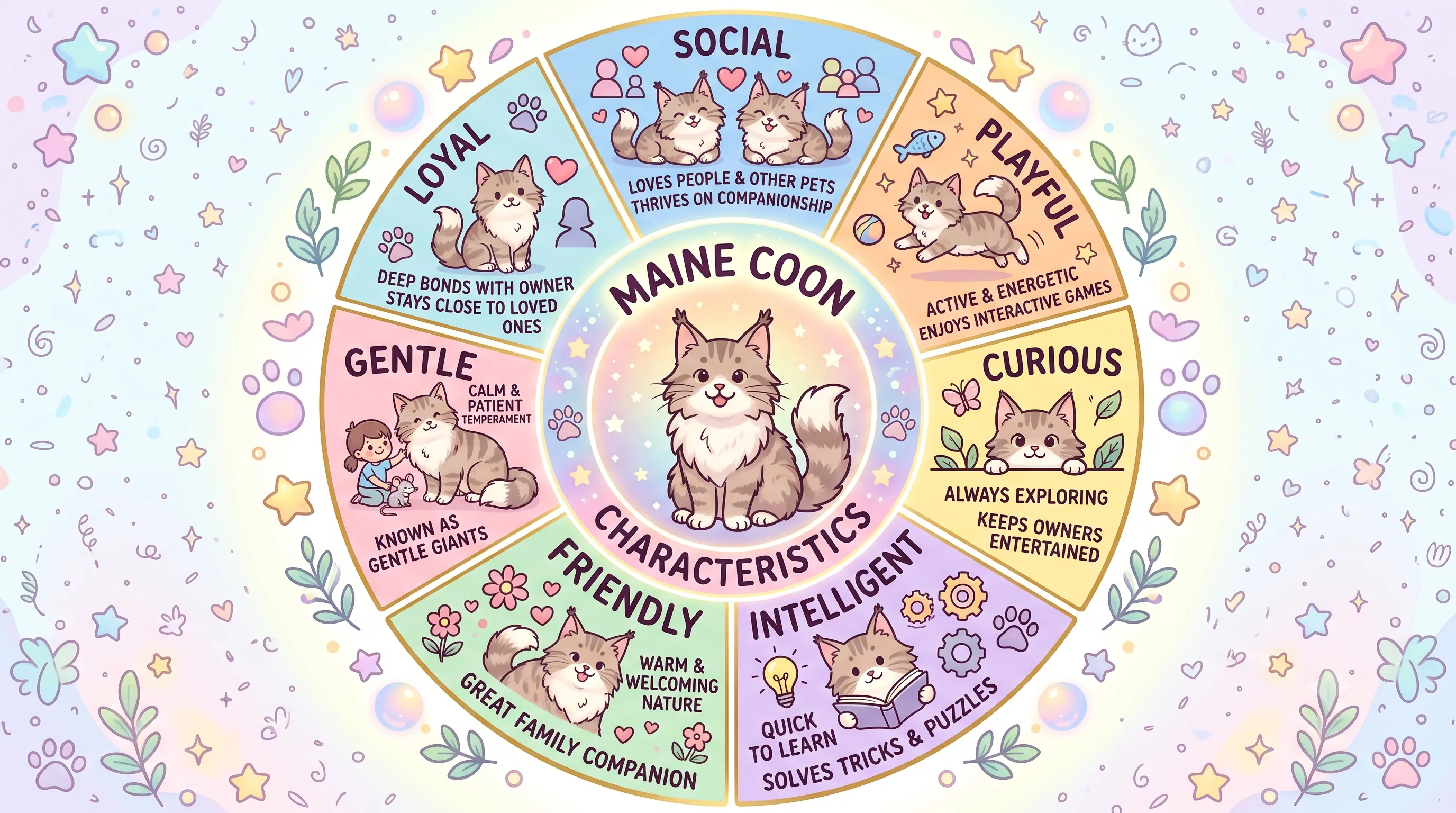
Personality Traits
- Friendly
- Gentle
- Intelligent
- Social
- Playful
- Loyal
- Curious
Maine Coons often enjoy following their owners around the house and participating in daily activities.
Are Maine Coons Good Family Pets?
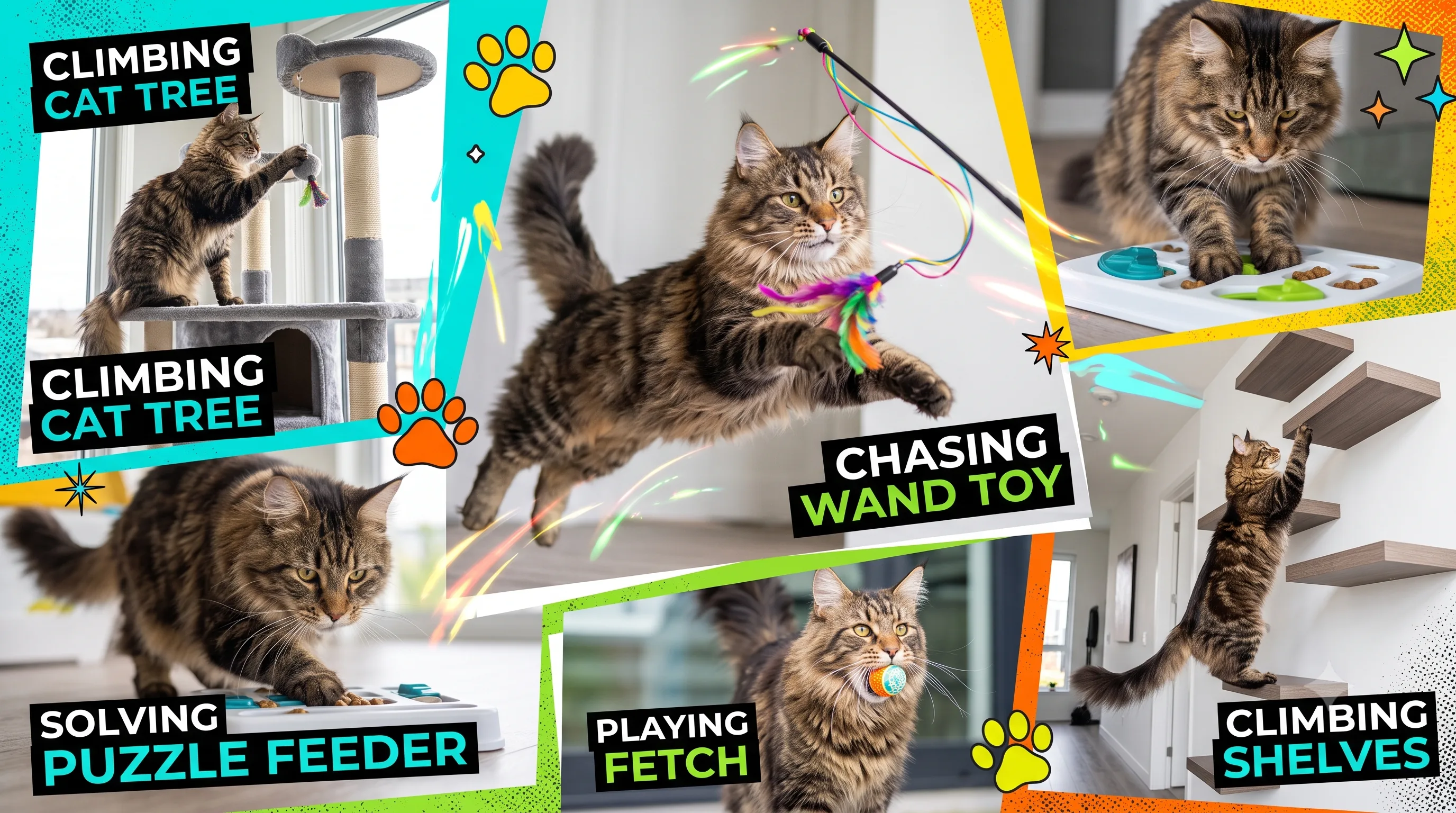
Yes.
Maine Coons are often considered one of the best family-friendly cat breeds because they:
- Get along well with children
- Adapt to family life
- Tolerate handling better than many breeds
- Usually coexist peacefully with dogs
- Enjoy human companionship
Their calm and patient nature makes them excellent pets for households of all sizes.
Exercise and Mental Stimulation
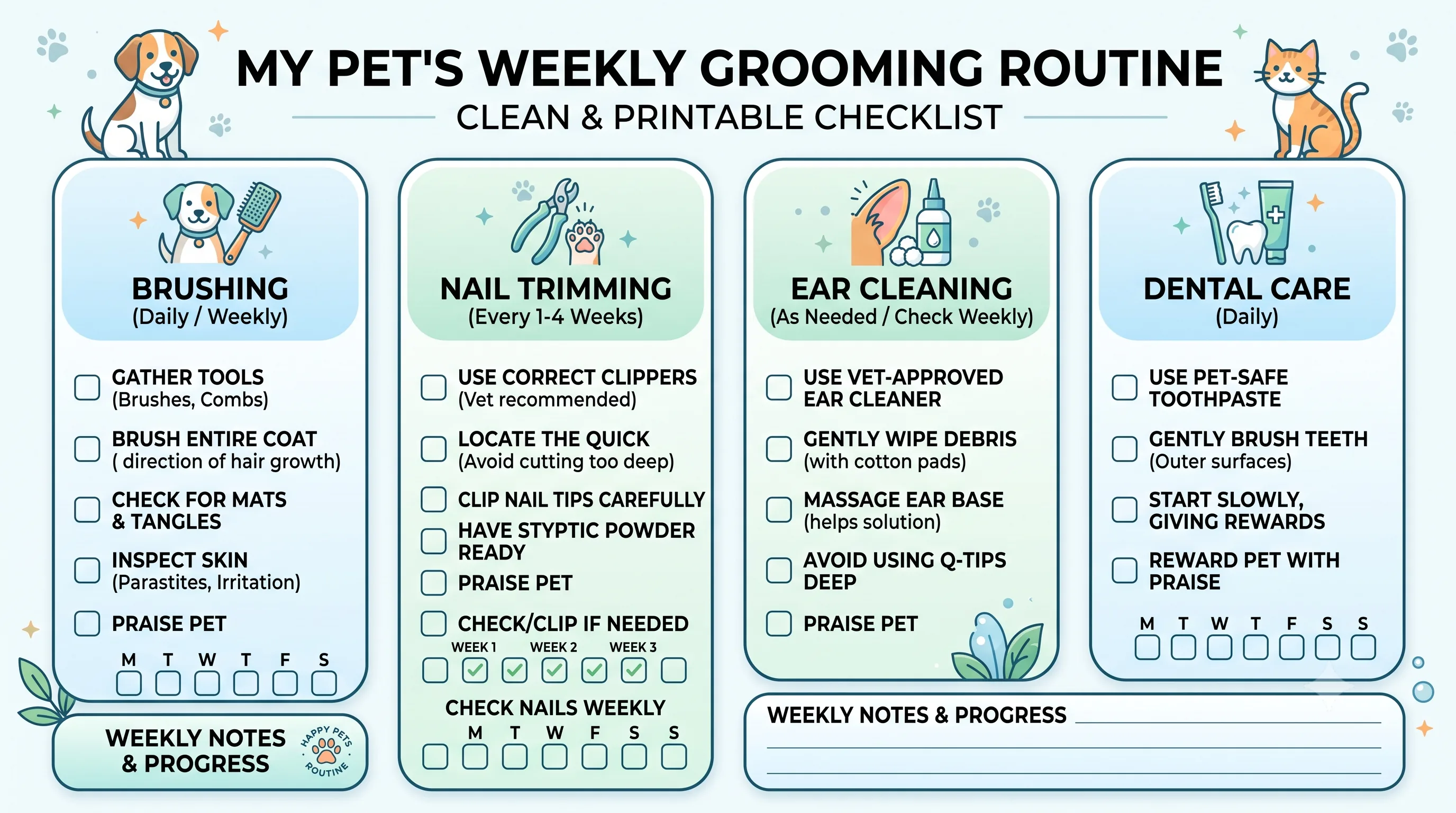
Maine Coons are more active than many other large cat breeds.
Recommended Activities
- Interactive toys
- Puzzle feeders
- Climbing trees
- Cat shelves
- Fetch games
- Wand toys
Regular play helps prevent boredom and obesity.
Maine Coon Grooming Requirements
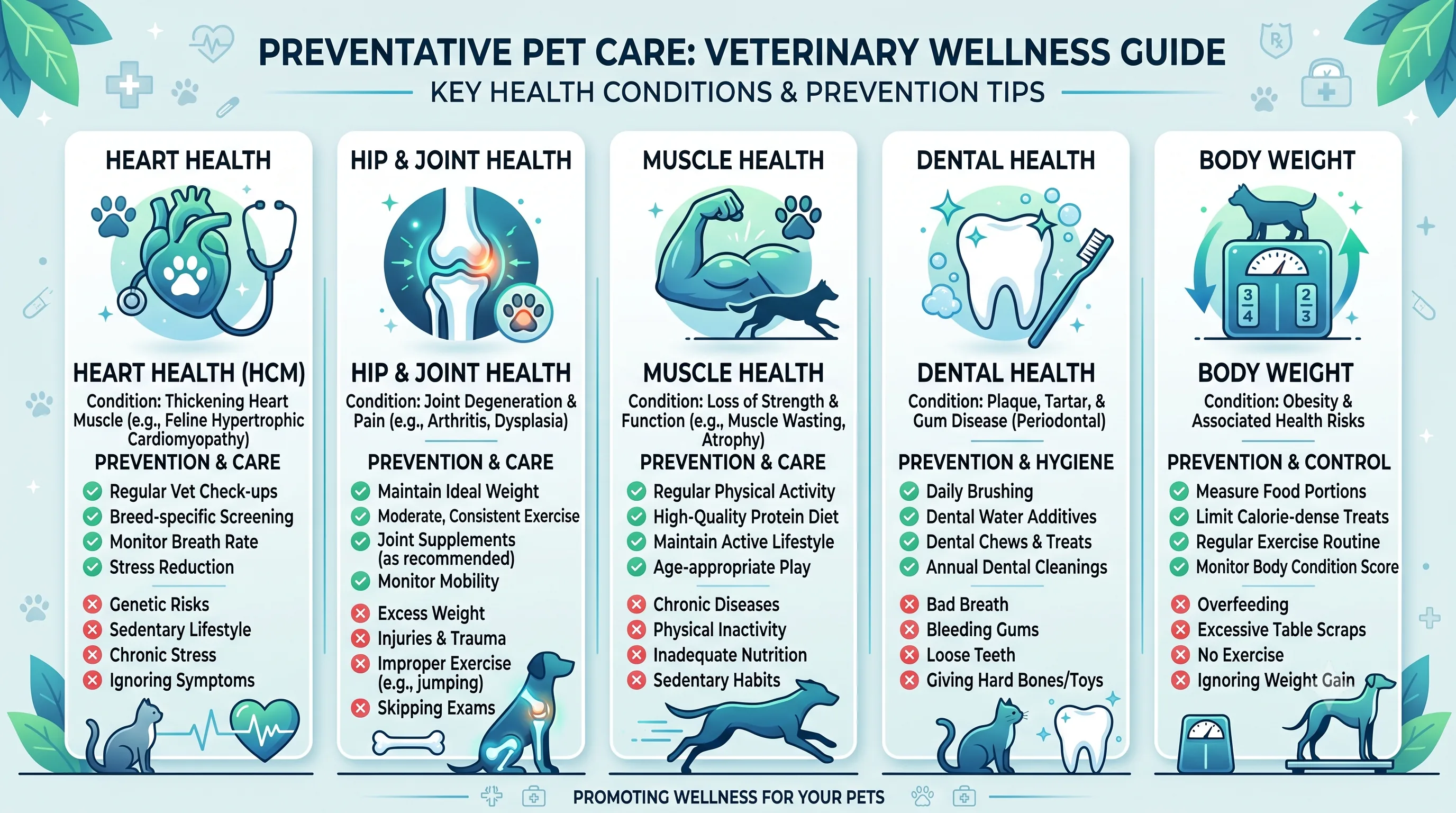
Despite their long coats, Maine Coons require less grooming than some other long-haired breeds.
Grooming Checklist
- Brush 2–3 times per week
- Trim nails regularly
- Clean ears when necessary
- Maintain dental hygiene
Their coat is naturally resistant to matting, but regular brushing is still important.
Common Health Problems
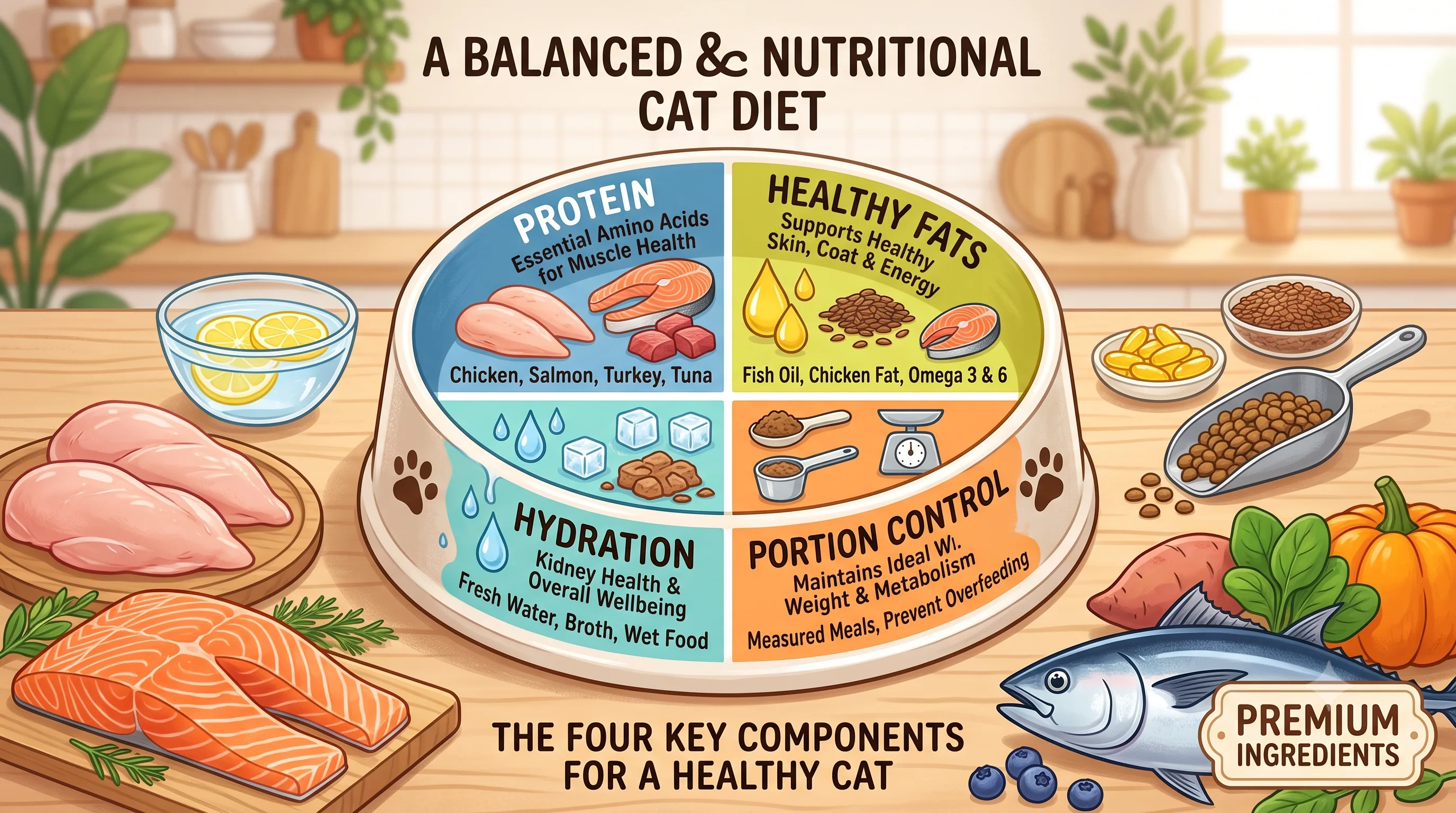
Like all purebred cats, Maine Coons can be prone to certain genetic conditions.
Common Health Issues
- Hypertrophic Cardiomyopathy (HCM)
- Hip Dysplasia
- Spinal Muscular Atrophy (SMA)
- Obesity
- Dental Disease
Choosing a responsible breeder can reduce the risk of inherited conditions.
Maine Coon Diet
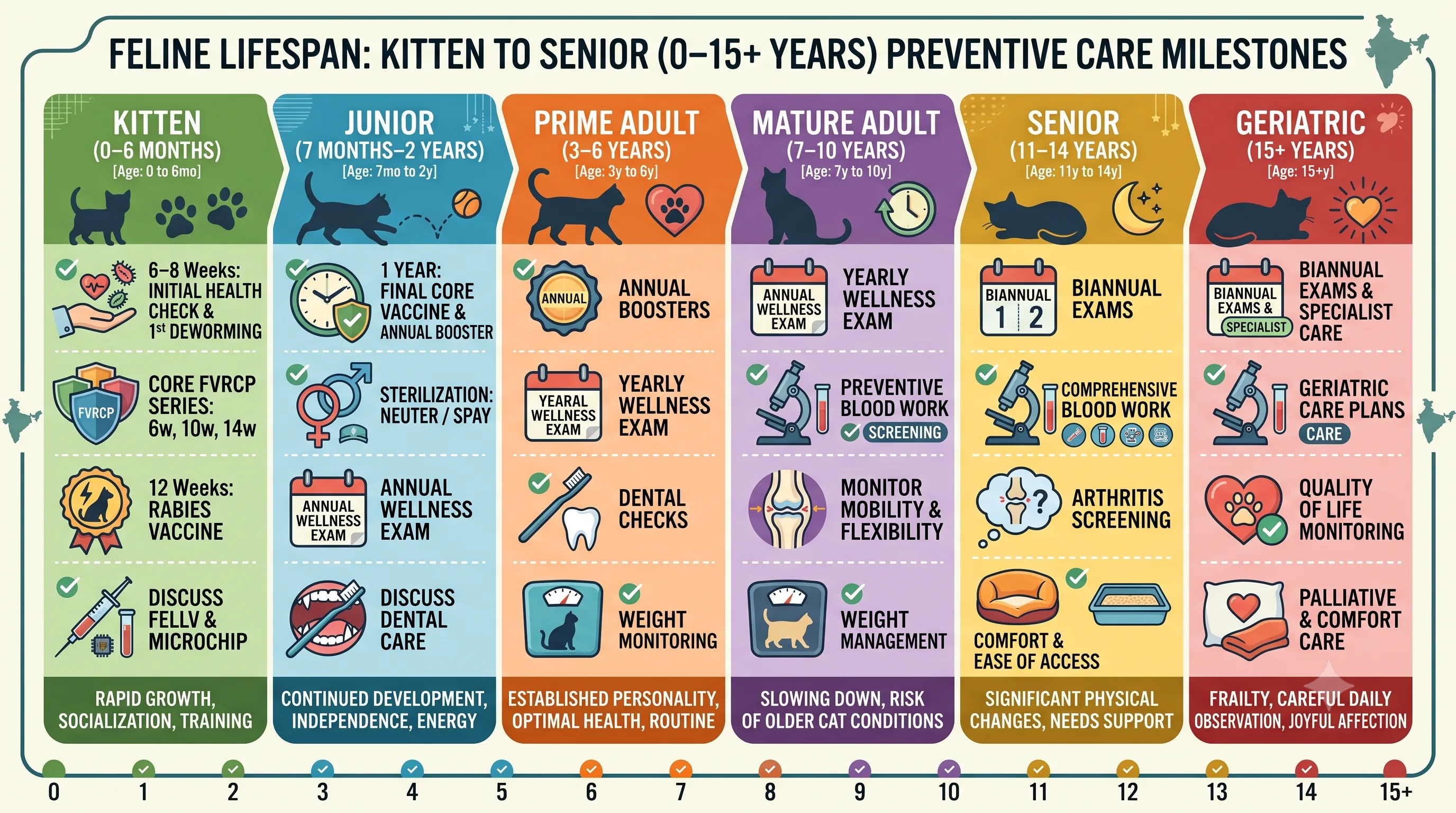
Due to their large size, Maine Coons require a nutritious and balanced diet.
Recommended Nutrition
- High-quality animal protein
- Healthy fats
- Adequate hydration
- Controlled calorie intake
Avoid overfeeding, as excess weight can contribute to joint and heart problems.
Maine Coon Lifespan
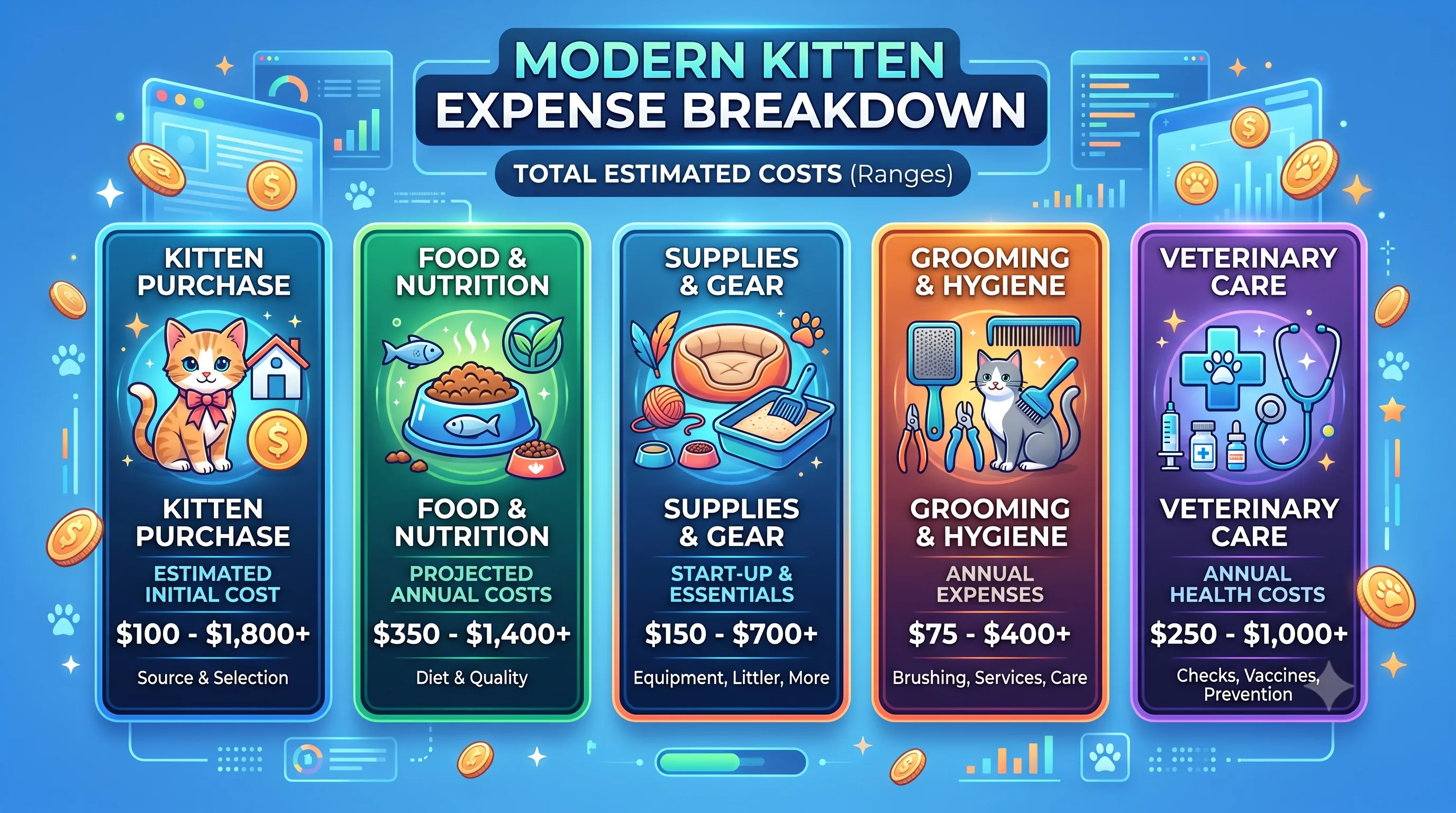
Most Maine Coons live between 12 and 15 years.
Some cats live even longer with:
- Proper nutrition
- Regular exercise
- Preventive veterinary care
- Indoor living conditions
How Much Does a Maine Coon Cost?
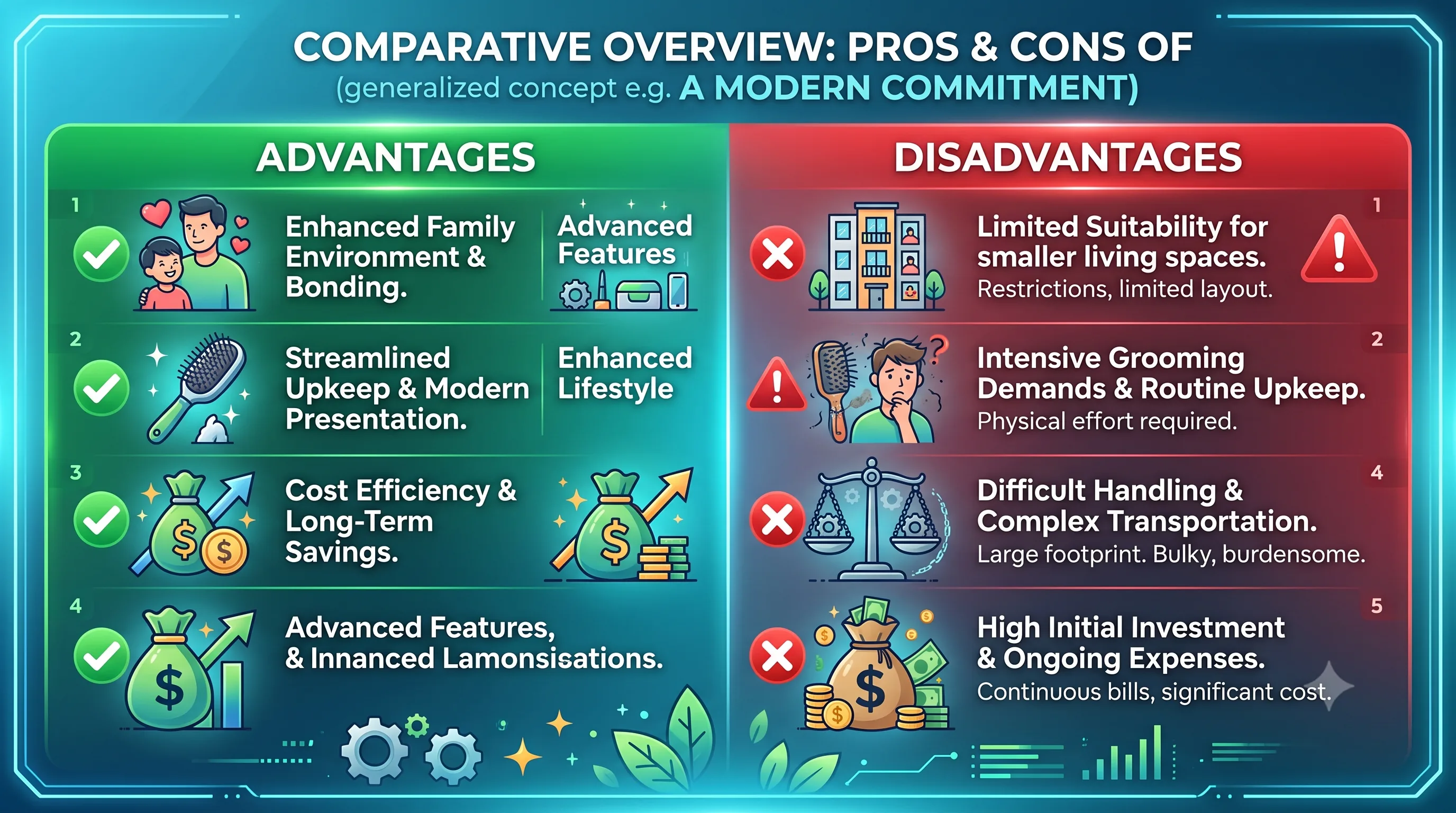
Prices vary depending on pedigree, breeder reputation, and location.
Typical Costs
| Expense | Estimated Cost |
|---|---|
| Kitten Purchase | ₹40,000–₹2,00,000+ |
| Initial Supplies | ₹8,000–₹20,000 |
| Monthly Food | ₹2,000–₹6,000 |
| Veterinary Care | Varies |
Show-quality Maine Coons can cost significantly more than pet-quality kittens.
Pros and Cons of Maine Coon Cats
Pros
- Friendly and affectionate
- Excellent with children
- Intelligent and trainable
- Beautiful appearance
- Good with other pets
Cons
- Larger food expenses
- Requires regular grooming
- Needs space to play and climb
- Can be expensive to purchase
Frequently Asked Questions
Are Maine Coons friendly?
Yes. Maine Coons are known for being extremely friendly, social, and affectionate.
Do Maine Coons get along with dogs?
In most cases, yes. They are one of the most dog-friendly cat breeds.
Do Maine Coons shed a lot?
They shed moderately throughout the year, with heavier shedding during seasonal changes.
Are Maine Coons suitable for apartments?
Yes, provided they receive enough exercise, enrichment, and climbing opportunities.
Why are Maine Coons called gentle giants?
Their large size combined with their calm, friendly, and affectionate personality earned them this nickname.
Final Thoughts
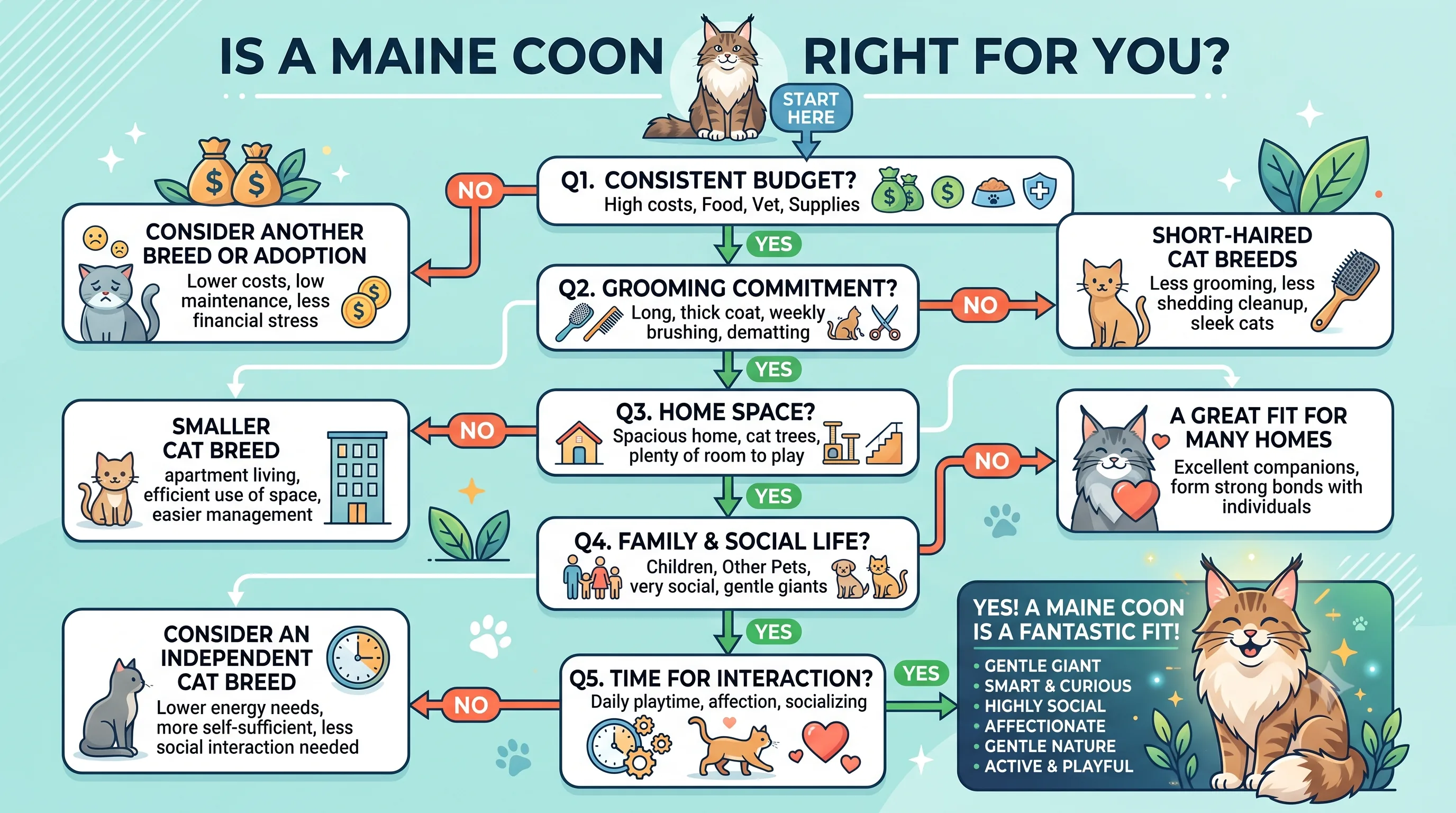
Maine Coons are one of the most impressive cat breeds in the world. Their combination of intelligence, beauty, loyalty, and family-friendly temperament makes them an excellent choice for many households.
While they require regular grooming and can be more expensive than average cats, their loving personality and majestic appearance make them a favorite among cat enthusiasts worldwide.
If you're looking for a friendly, playful, and affectionate companion, a Maine Coon may be the perfect cat for you.
Related articles
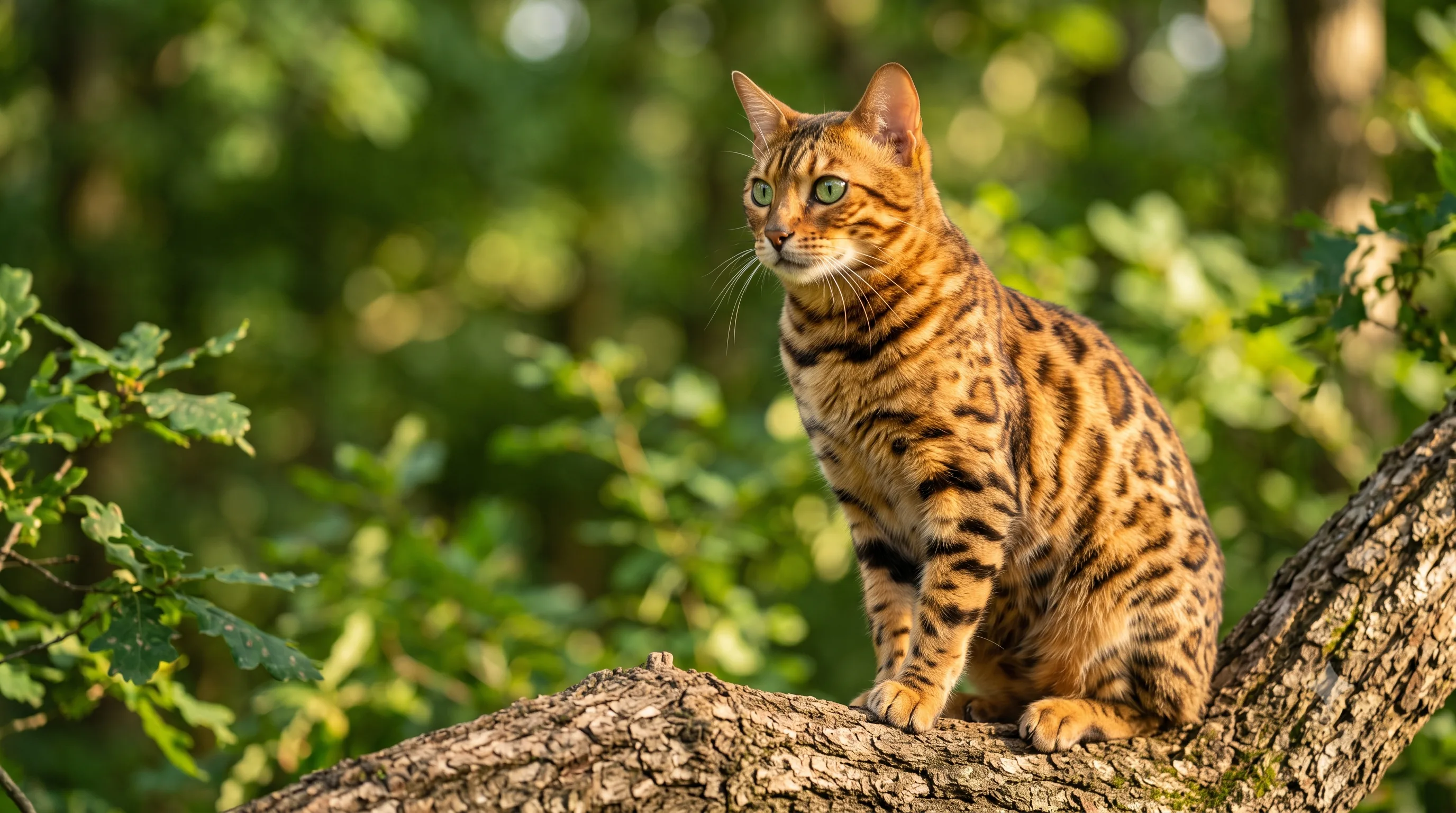
Bengal Cat: Complete Guide to Personality, Care, Lifespan, and Cost
Learn everything about Bengal cats, including personality, appearance, exercise needs, health concerns, lifespan, diet, and ownership costs.
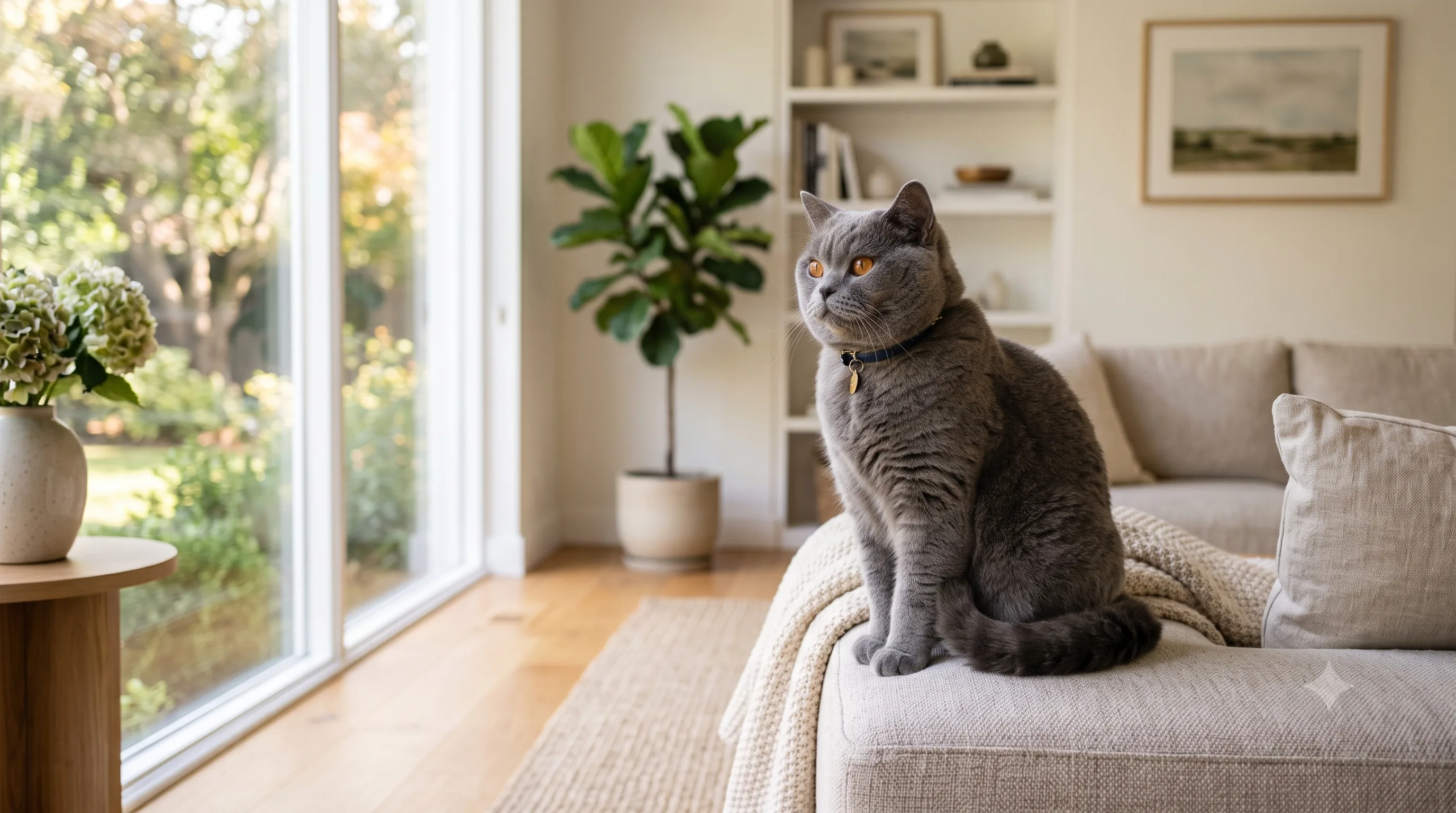
British Shorthair Cat: Complete Guide to Personality, Care, Lifespan, and Cost
Learn everything about British Shorthair cats, including personality, appearance, grooming needs, health concerns, lifespan, diet, and ownership costs.
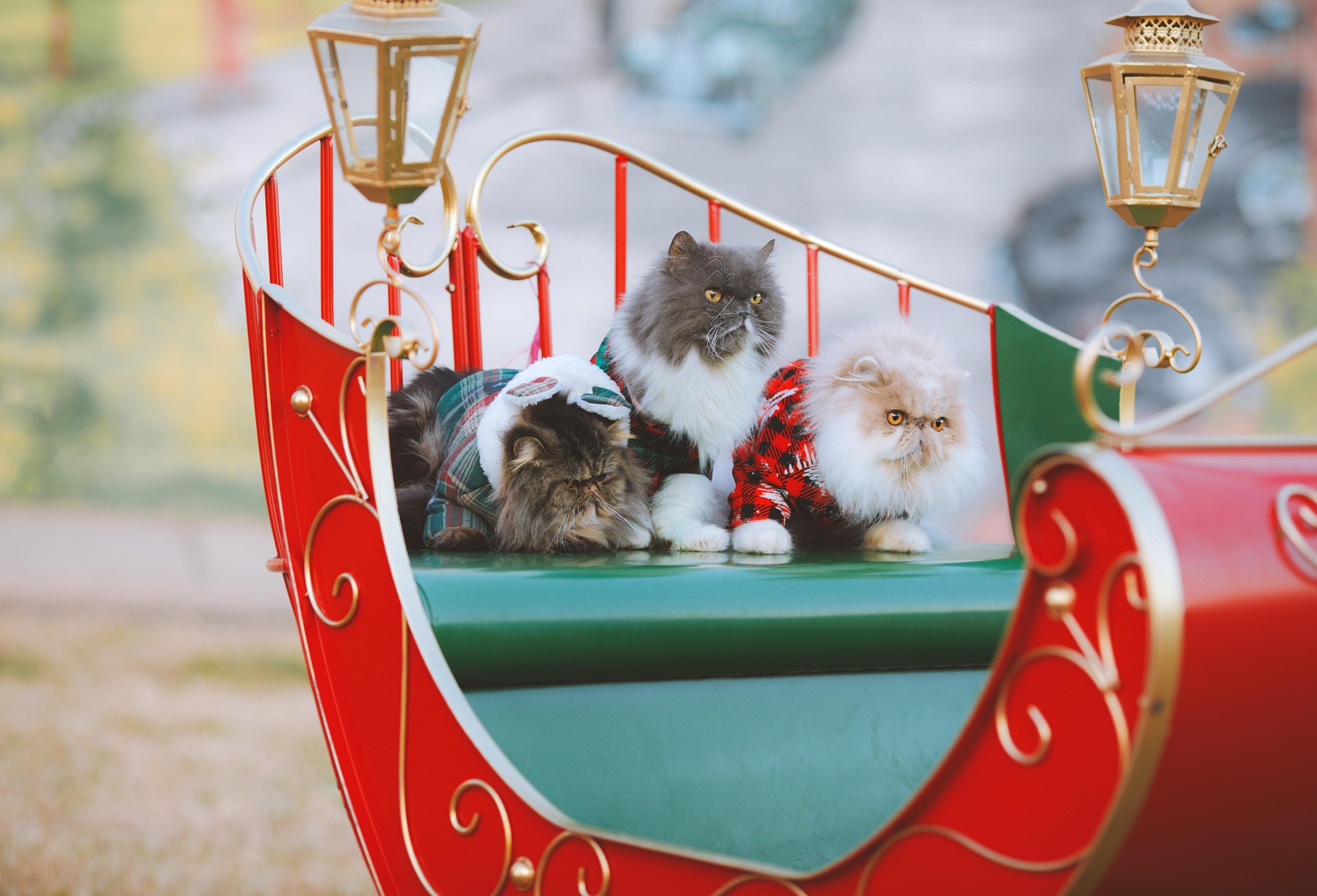
Persian Cat: Complete Guide to Personality, Care, Lifespan, and Cost
Learn everything about Persian cats, including personality, grooming, health issues, lifespan, diet, and ownership costs.