Bengal Cat: Complete Guide to Personality, Care, Lifespan, and Cost
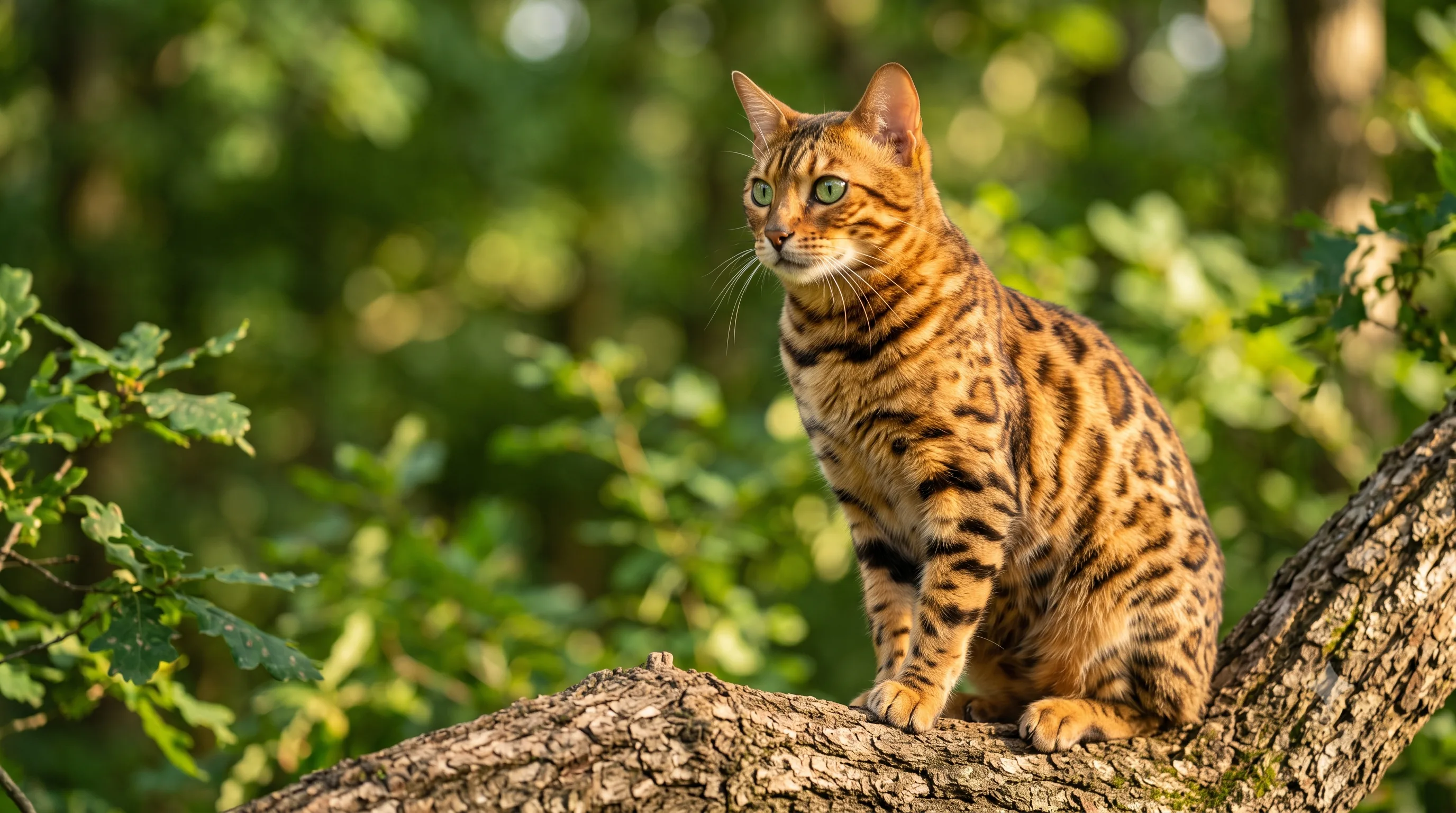
The Bengal cat is one of the most striking and exotic-looking domestic cat breeds in the world. With its leopard-like spots, muscular body, and energetic personality, the Bengal often resembles a miniature wild cat while maintaining the affectionate nature of a household pet.
Bengal cats are intelligent, athletic, and highly active, making them an excellent choice for owners who enjoy interacting and playing with their pets.
Bengal Cat Overview
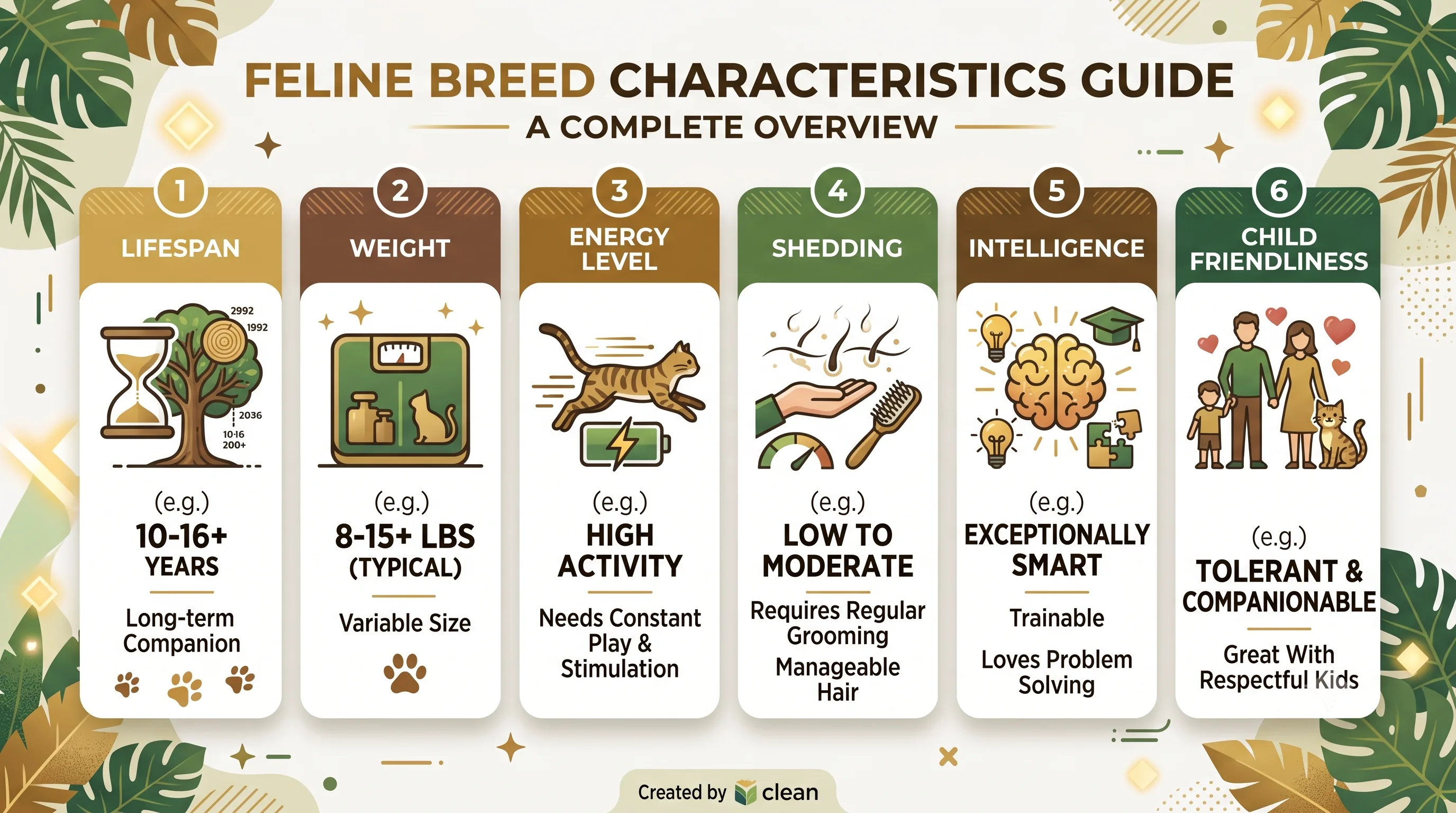
| Trait | Details |
|---|---|
| Origin | United States |
| Size | Medium to Large |
| Weight | 4–7 kg |
| Lifespan | 12–16 years |
| Coat Type | Short-haired |
| Shedding | Low |
| Energy Level | Very High |
| Good With Kids | Yes |
| Good With Other Pets | Usually |
| Intelligence | Very High |
History of Bengal Cats
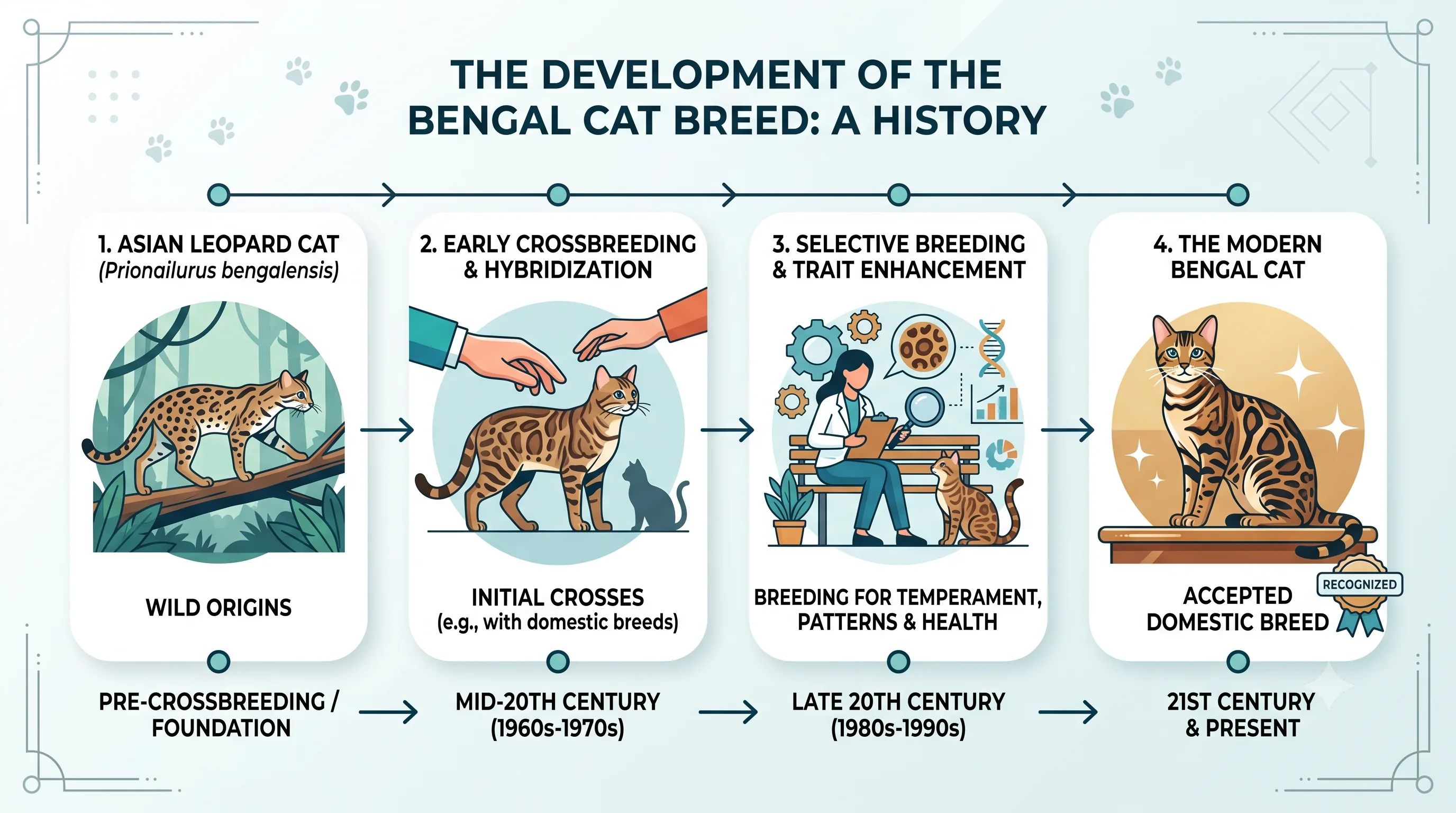
The Bengal breed was developed in the United States by crossing domestic cats with the Asian Leopard Cat.
The goal was to create a cat with a wild appearance but a friendly domestic temperament. Through selective breeding, modern Bengal cats became fully domesticated while retaining their distinctive spotted and marbled coat patterns.
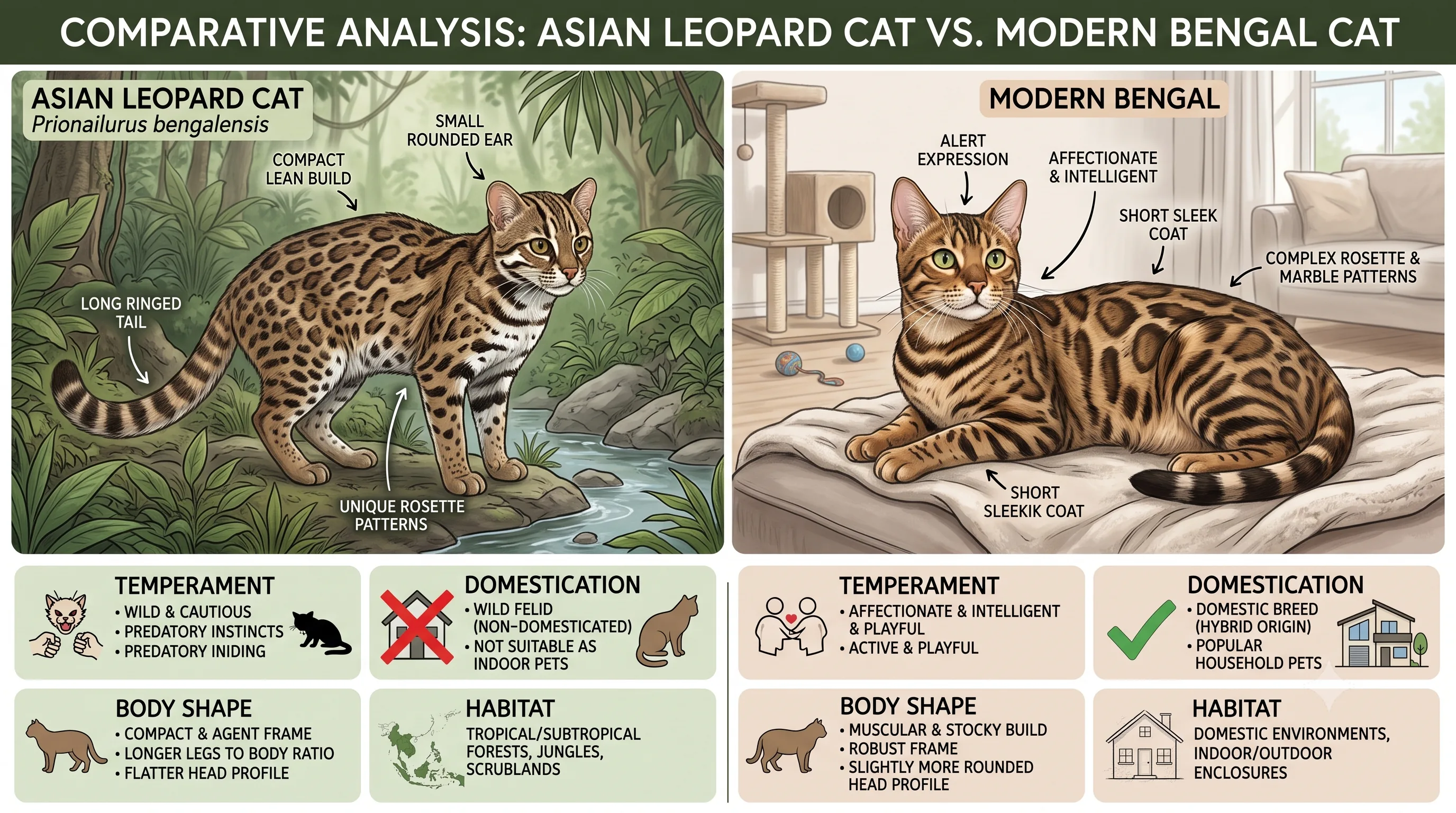
Today, Bengal cats are among the most sought-after cat breeds worldwide due to their unique appearance and playful personality.
Bengal Cat Appearance
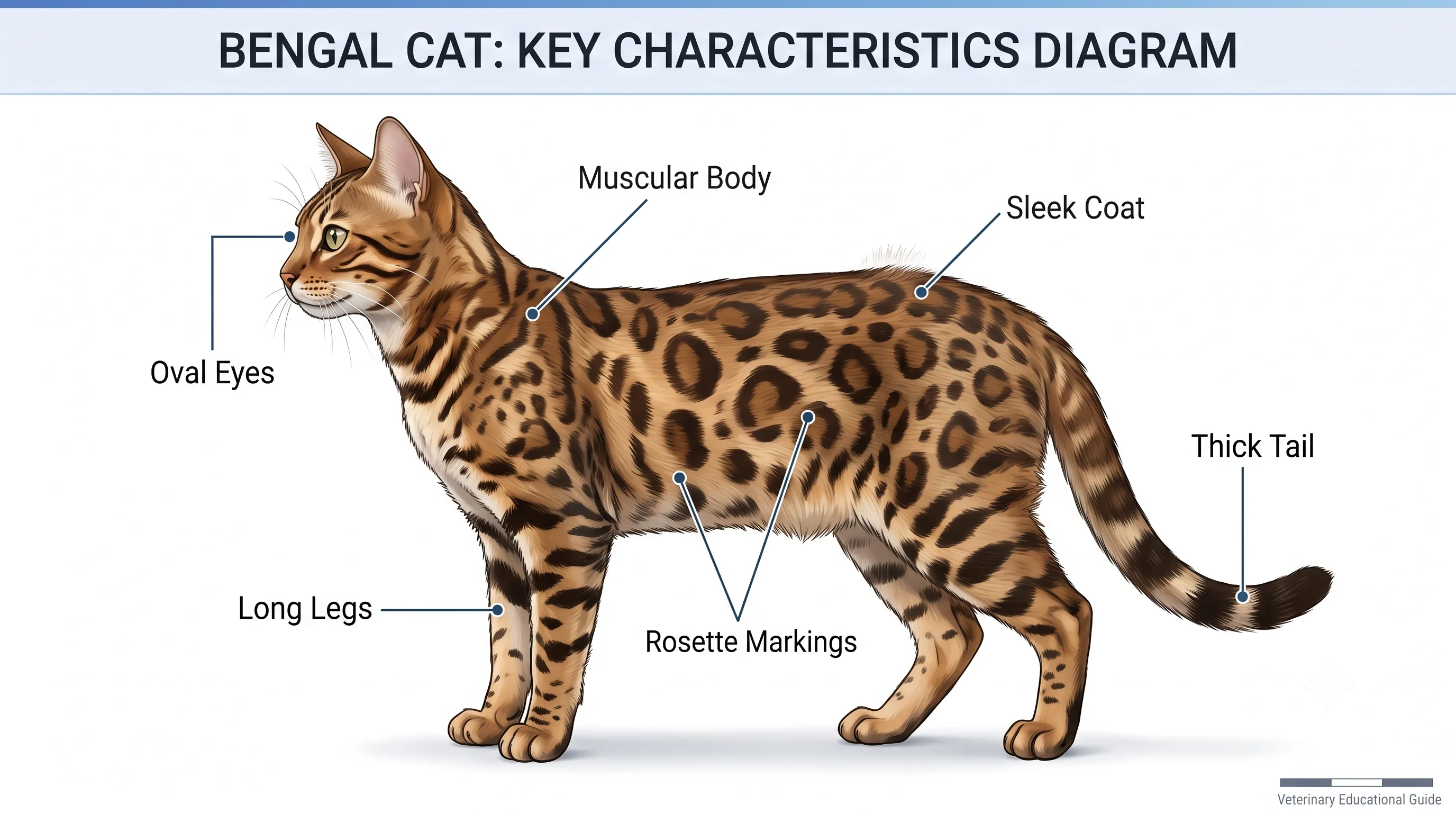
Bengals are famous for looking like miniature leopards.
Physical Characteristics
- Athletic muscular body
- Long powerful legs
- Broad head
- Large oval eyes
- Thick tail
- Sleek coat
- Distinctive spotted or marbled markings
Coat Patterns
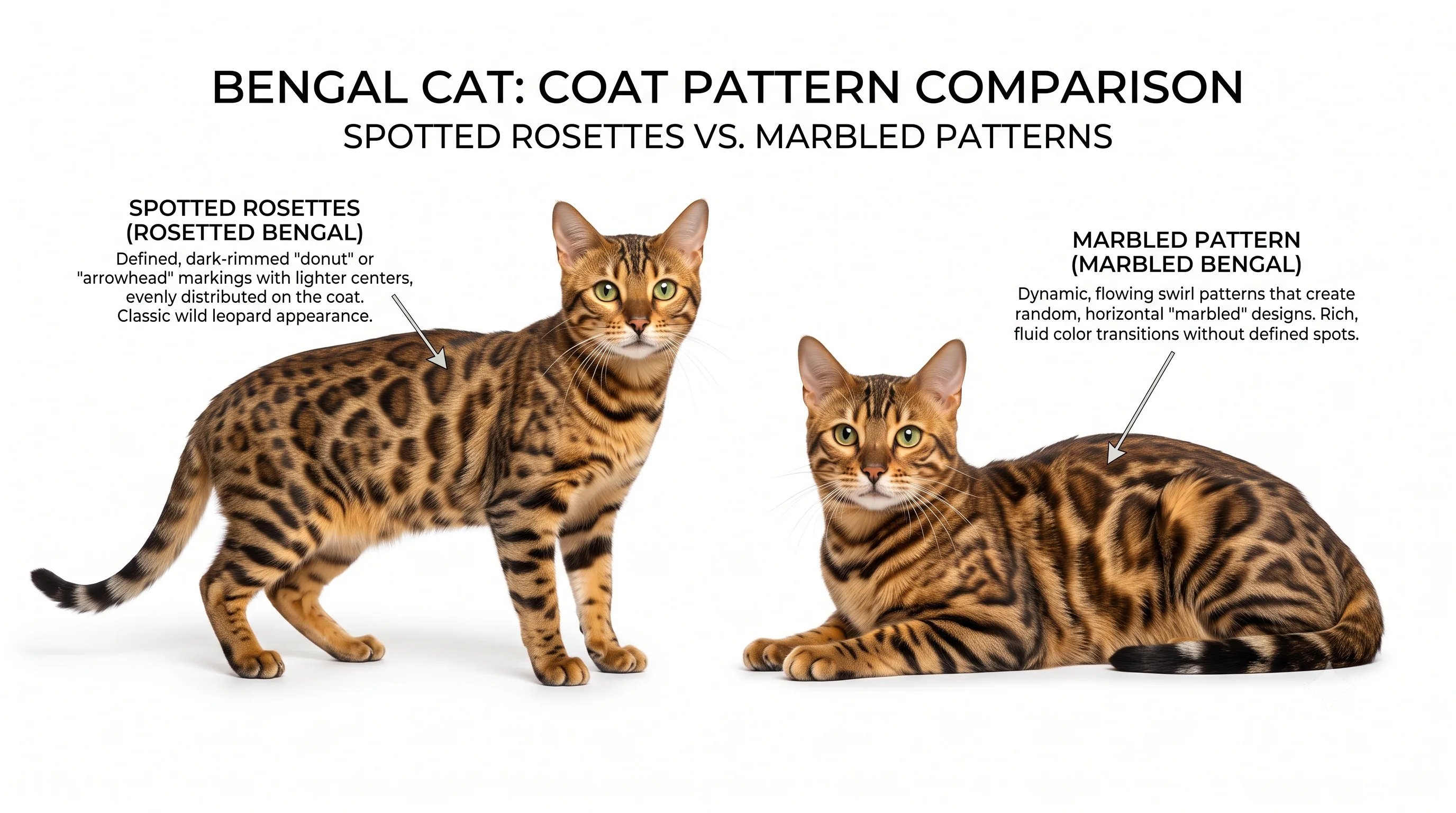
Bengal cats generally have one of two patterns:
Spotted Pattern
The most popular pattern featuring leopard-like spots throughout the body.
Marbled Pattern
A swirling pattern that resembles marble stone.
Common Colors
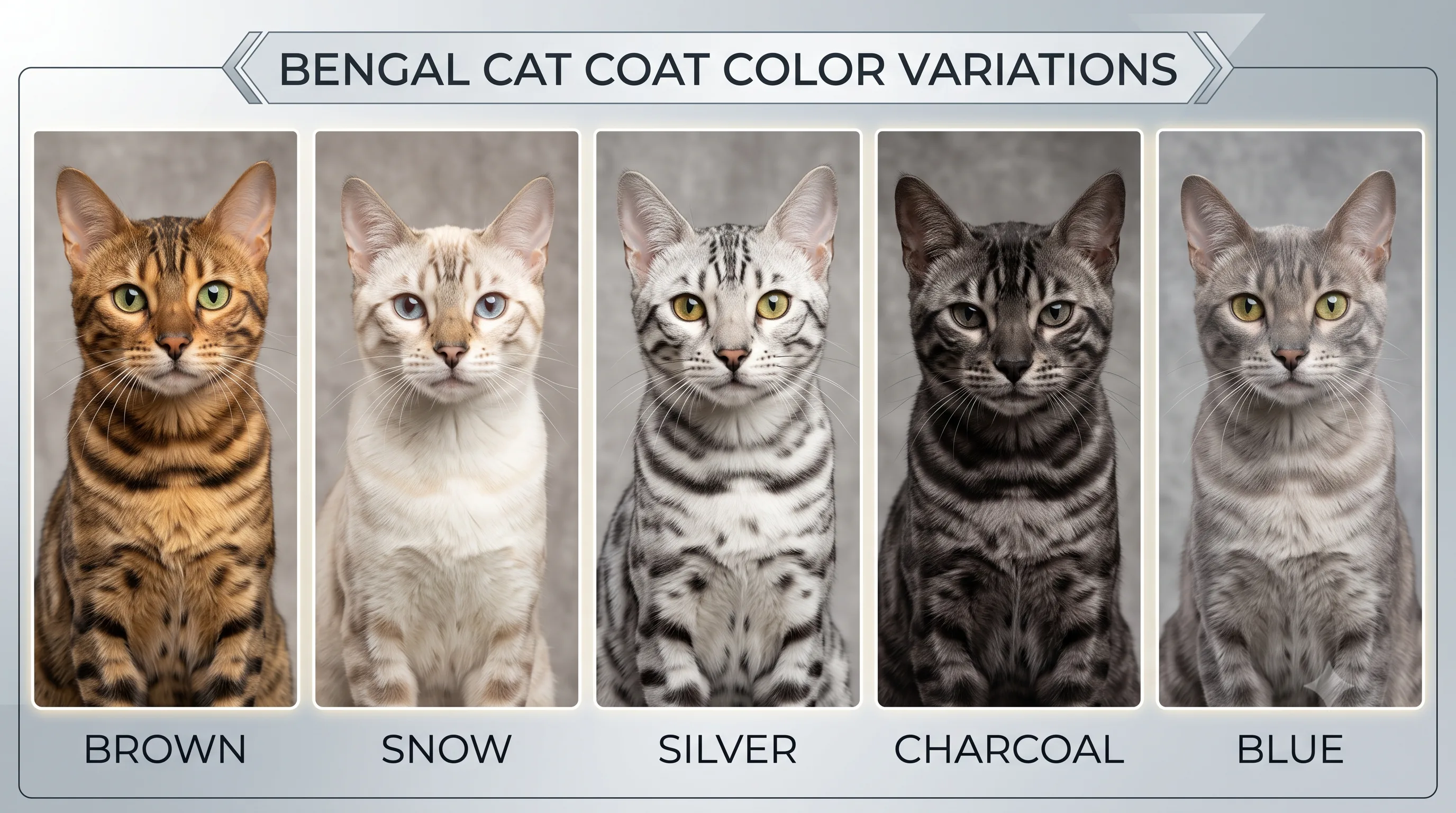
- Brown Bengal
- Snow Bengal
- Silver Bengal
- Charcoal Bengal
- Blue Bengal
Bengal Cat Personality
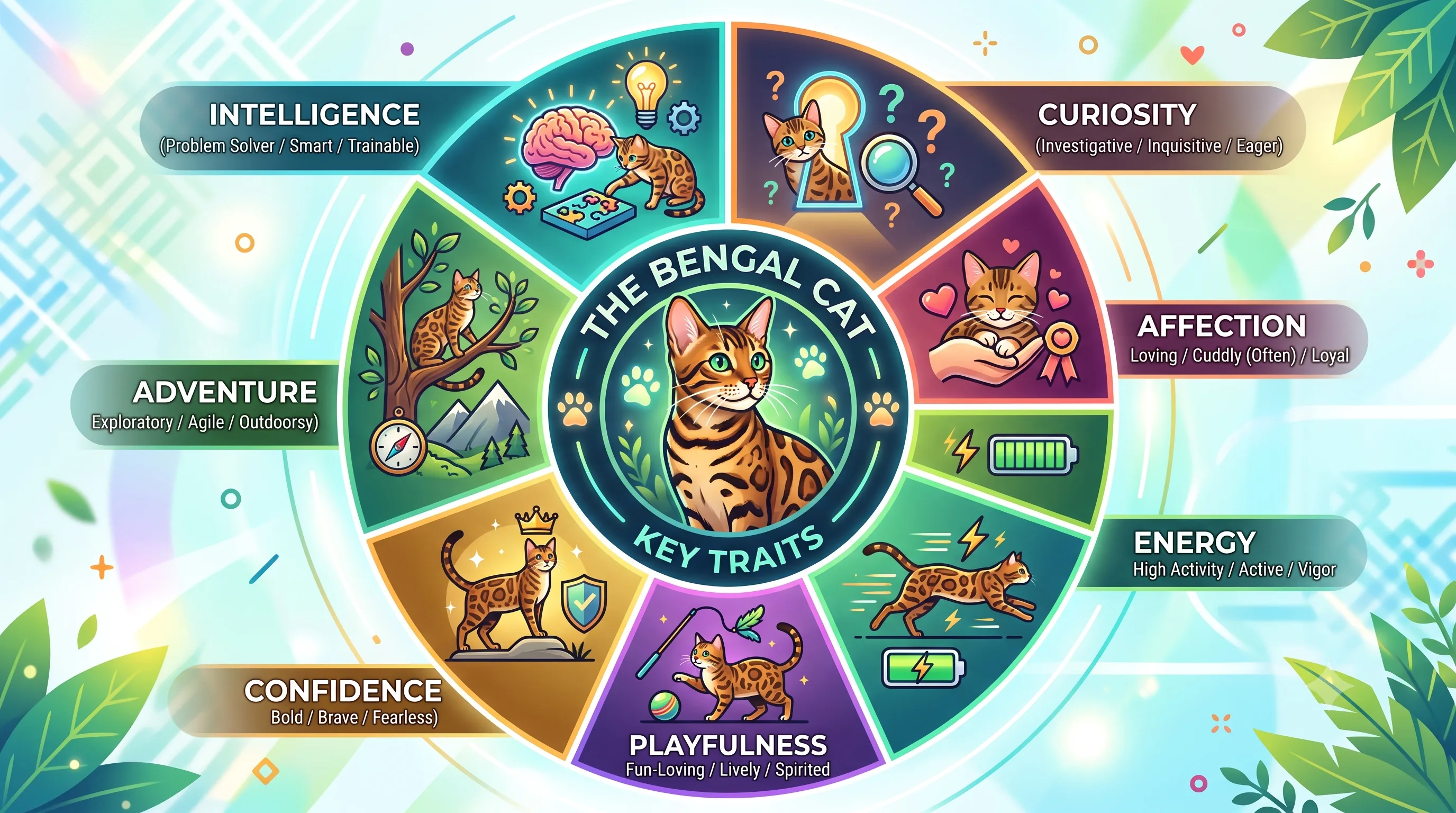
Bengals are known for being energetic, curious, and highly intelligent.
Personality Traits
- Active
- Playful
- Confident
- Curious
- Intelligent
- Affectionate
- Adventurous
Unlike many breeds that enjoy sleeping most of the day, Bengals constantly seek stimulation and activity.
Are Bengal Cats Good Family Pets?
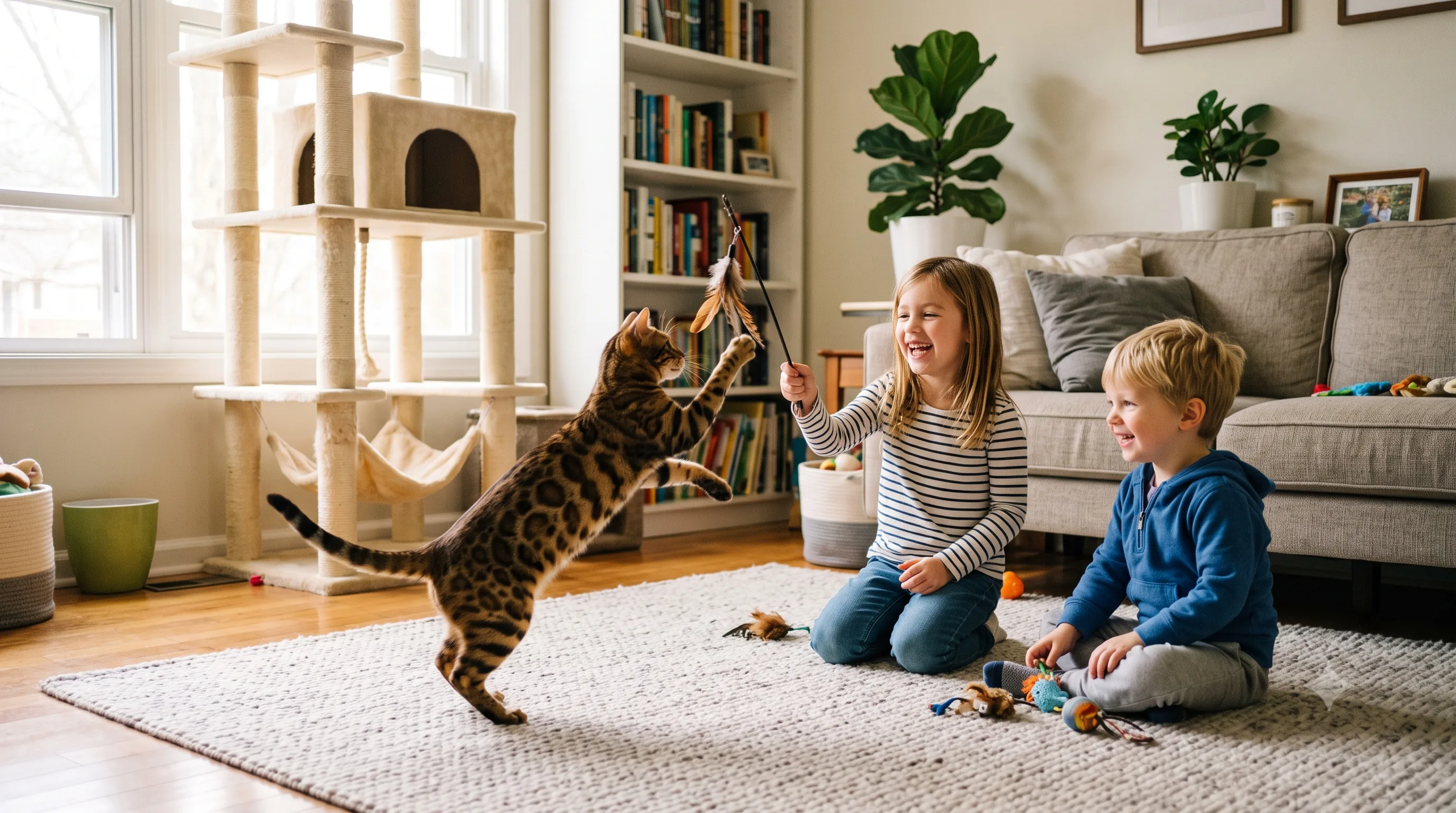
Yes, but they are best suited for active households.
Bengal cats generally:
- Enjoy interactive play
- Bond closely with family members
- Get along with older children
- Thrive in stimulating environments
Families looking for a calm lap cat may find Bengals more demanding than expected.
Why Are Bengal Cats So Active?
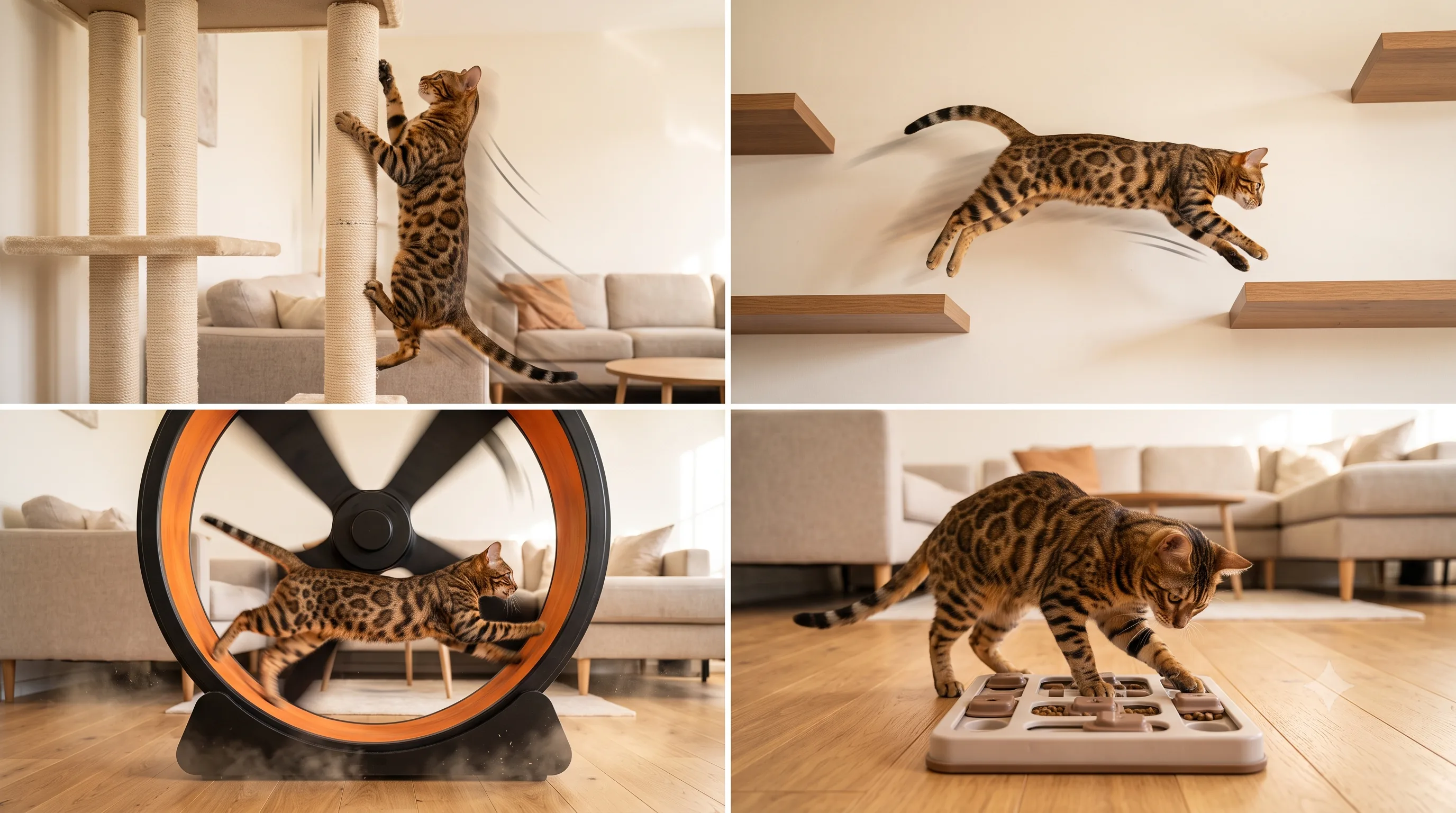
The Bengal's ancestry contributes to its high energy levels.
Many Bengals enjoy:
- Running
- Climbing
- Jumping
- Exploring
- Learning tricks
- Solving puzzles
Without enough exercise and enrichment, they can become bored and destructive.
Exercise and Mental Stimulation
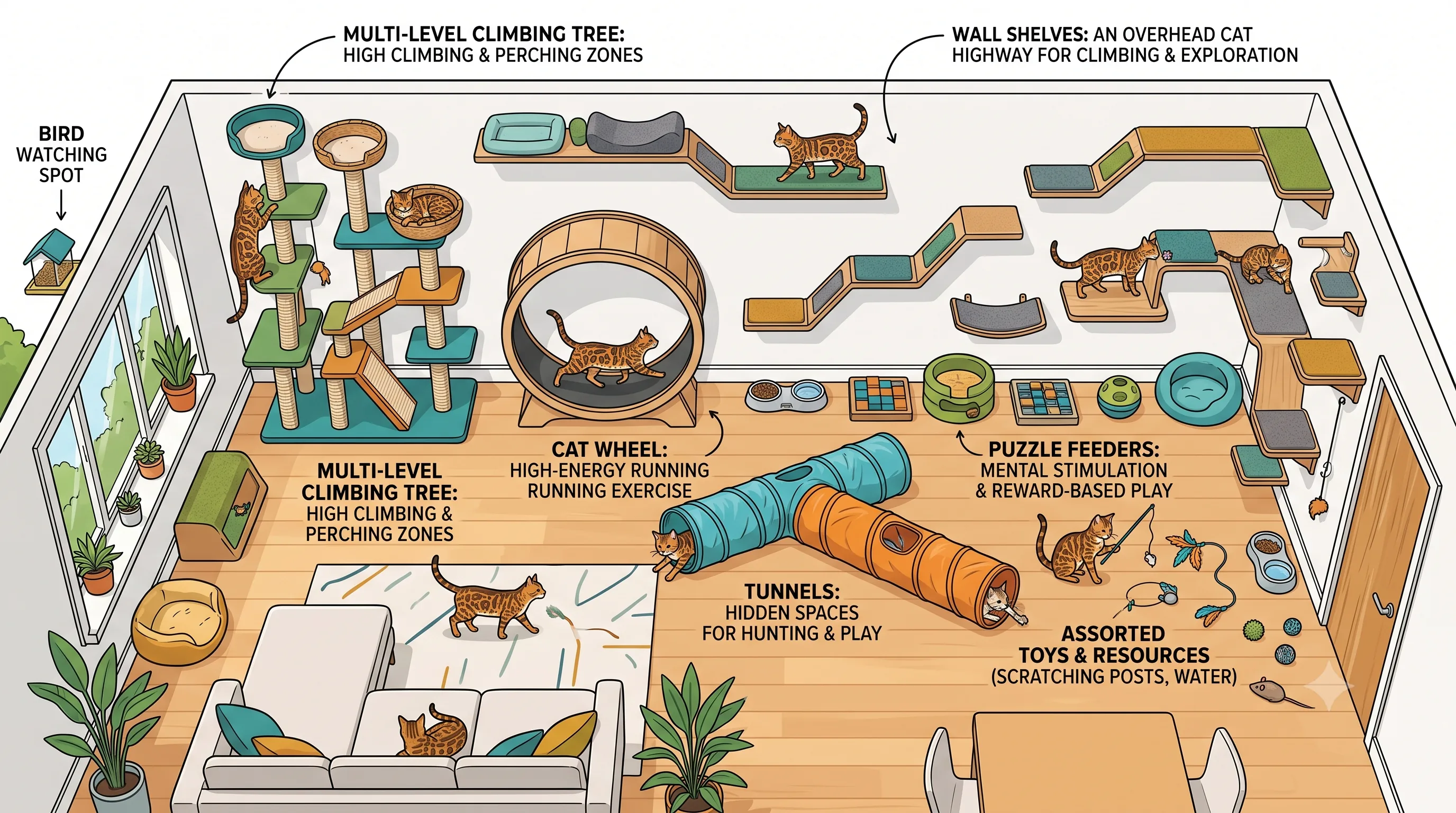
Bengals require significantly more activity than the average domestic cat.
Recommended Activities
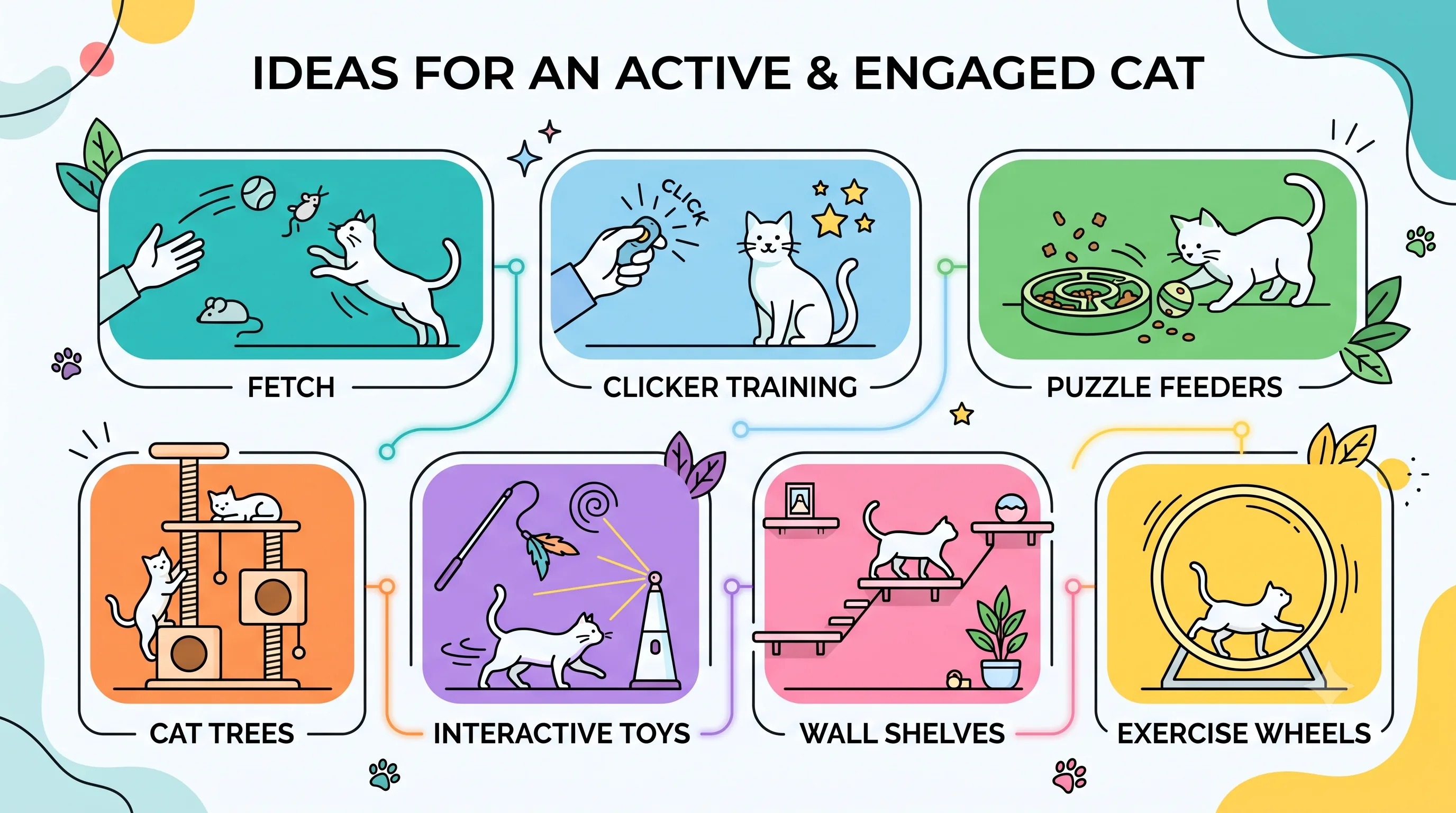
- Interactive toys
- Cat wheels
- Puzzle feeders
- Climbing trees
- Wall shelves
- Fetch games
- Clicker training
Providing daily stimulation is essential for a happy Bengal.
Do Bengal Cats Like Water?
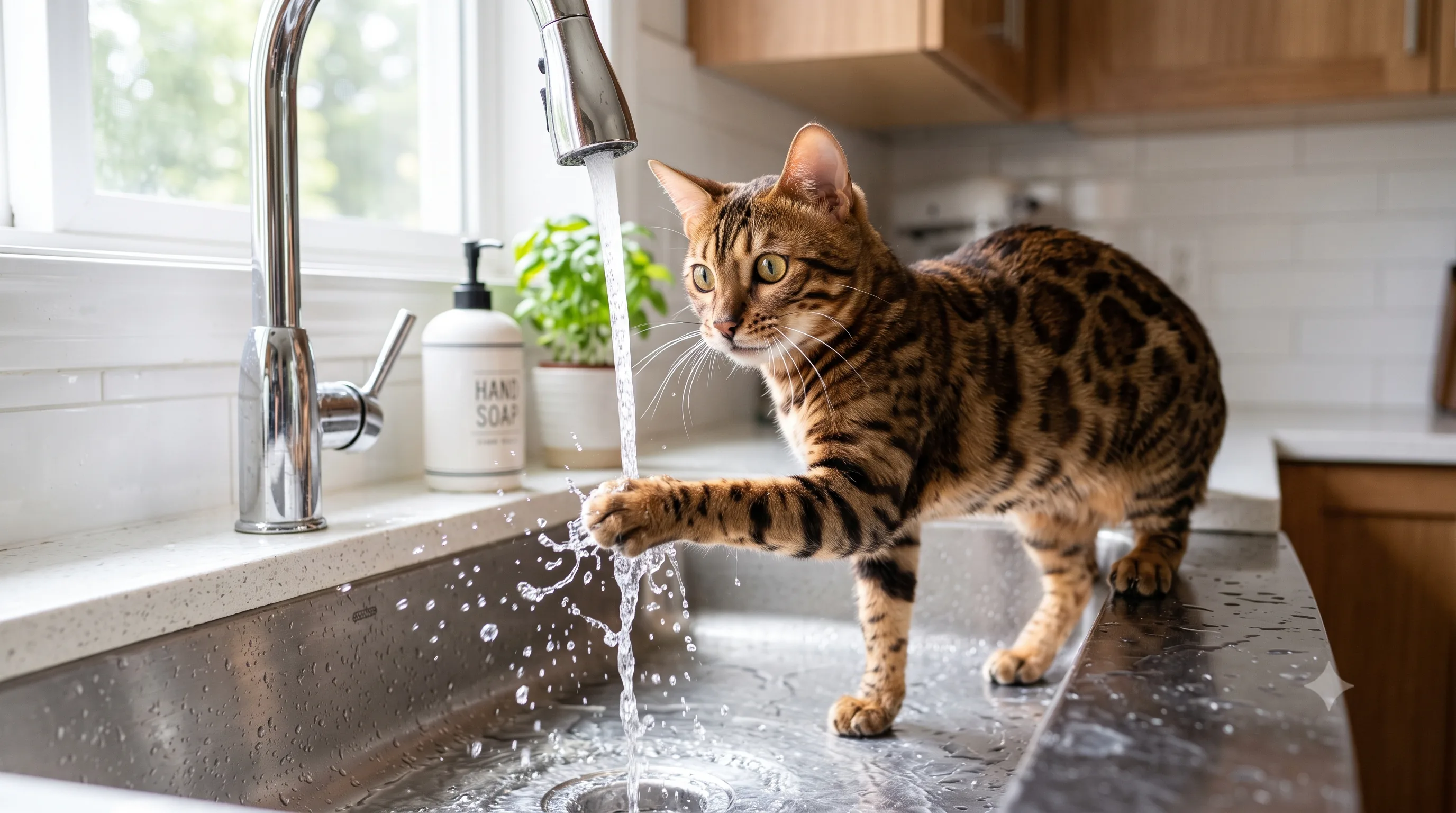
Unlike most cats, many Bengals enjoy water.
Some Bengals may:
- Play in sinks
- Splash in water bowls
- Join owners in the shower
- Swim willingly
While not every Bengal enjoys water, the breed is well known for this unusual trait.
Bengal Cat Grooming Requirements
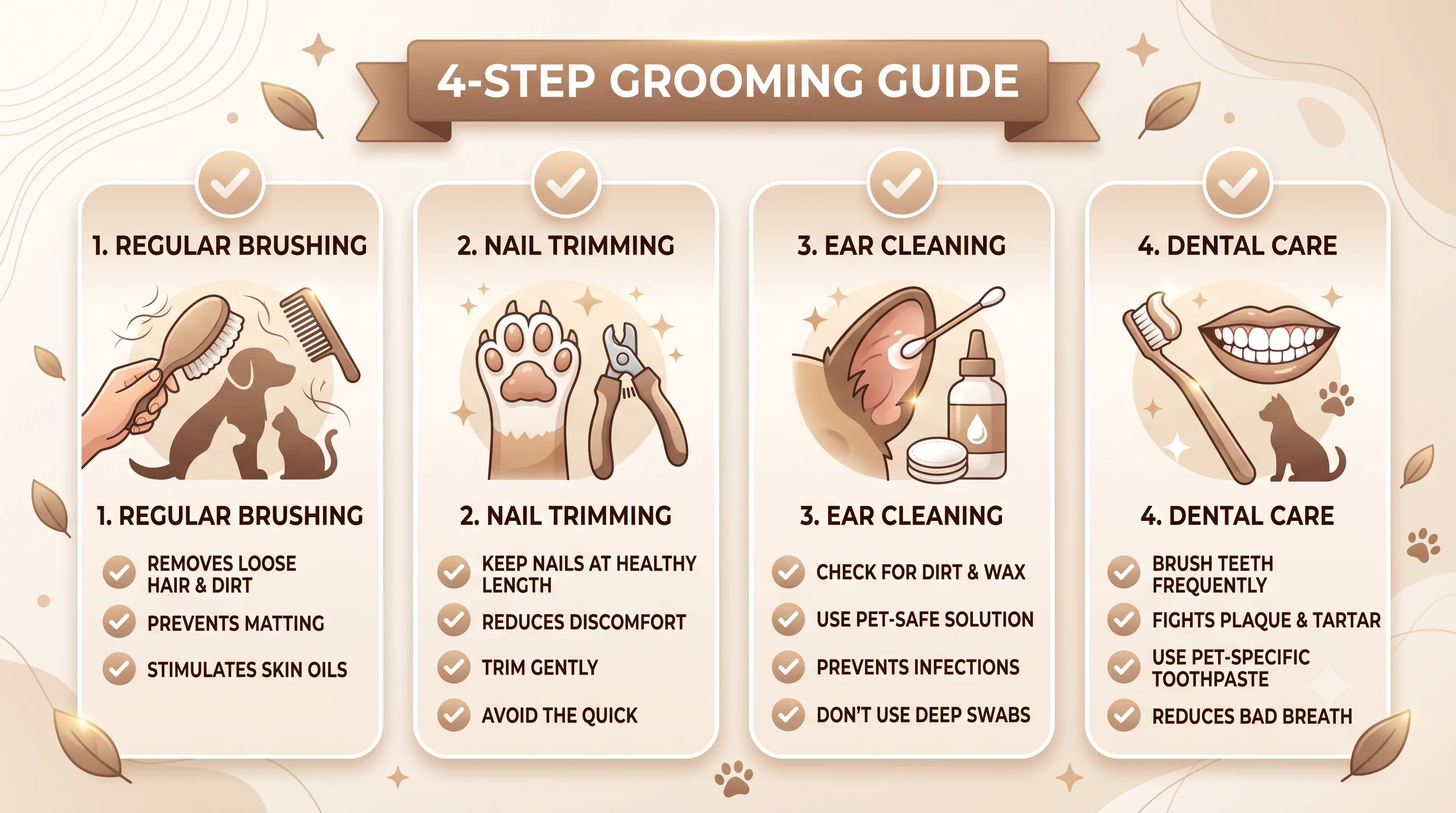
Bengals have short, dense coats that require minimal maintenance.
Grooming Checklist
- Weekly brushing
- Nail trimming
- Ear cleaning when necessary
- Dental care
Their coats shed relatively little compared to many other breeds.
Common Health Problems

Bengal cats are generally healthy, but some inherited conditions can occur.
Common Health Issues
- Hypertrophic Cardiomyopathy (HCM)
- Progressive Retinal Atrophy (PRA)
- Patellar Luxation
- Digestive Sensitivities
- Obesity in inactive cats
Routine veterinary care can help detect issues early.
Bengal Cat Diet
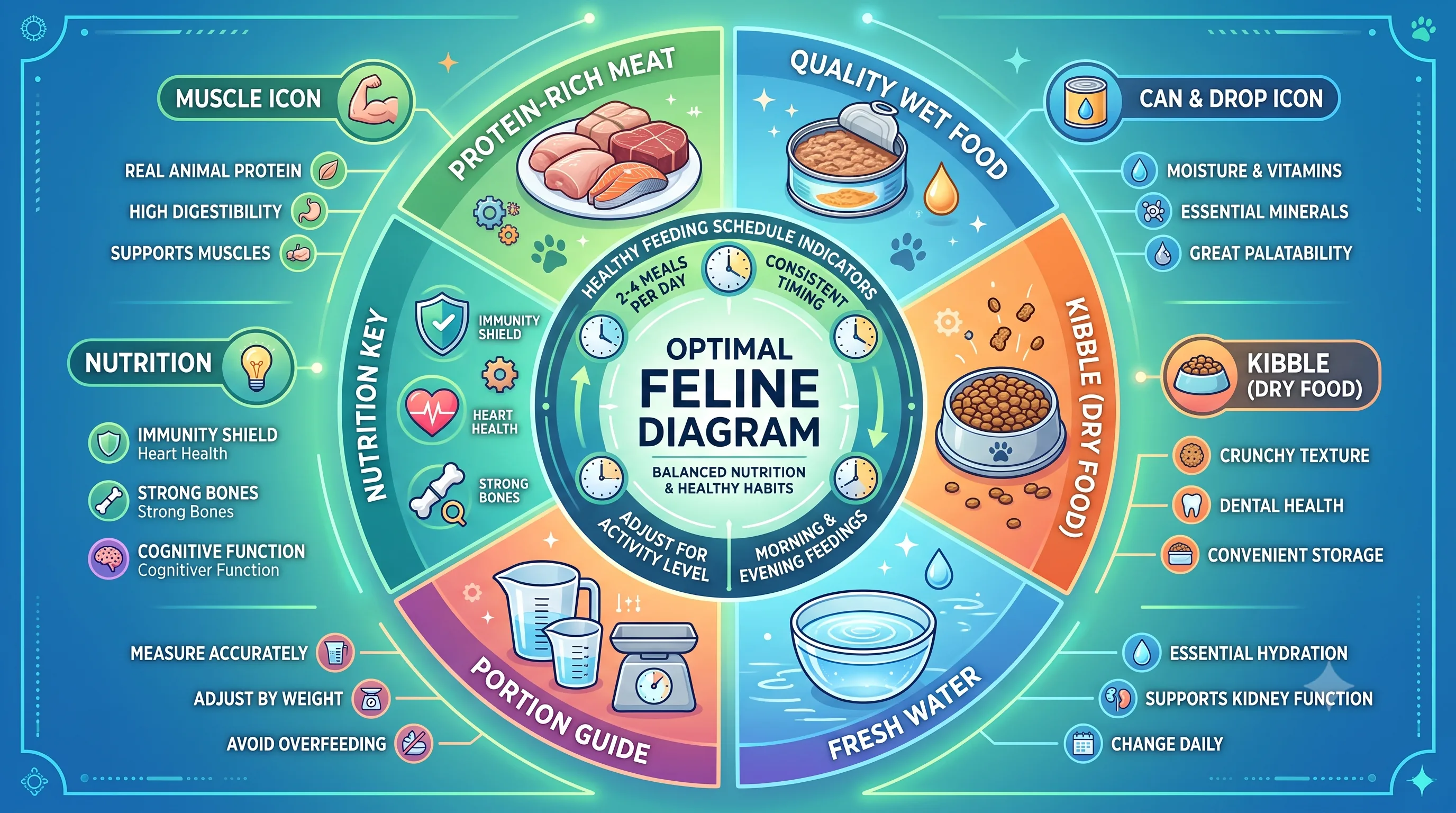
Because Bengals are highly active, nutrition plays an important role in maintaining their health.
Recommended Nutrition
- High-protein diet
- Quality animal-based ingredients
- Fresh water
- Portion control
Many owners choose premium cat foods designed for active breeds.
Bengal Cat Lifespan
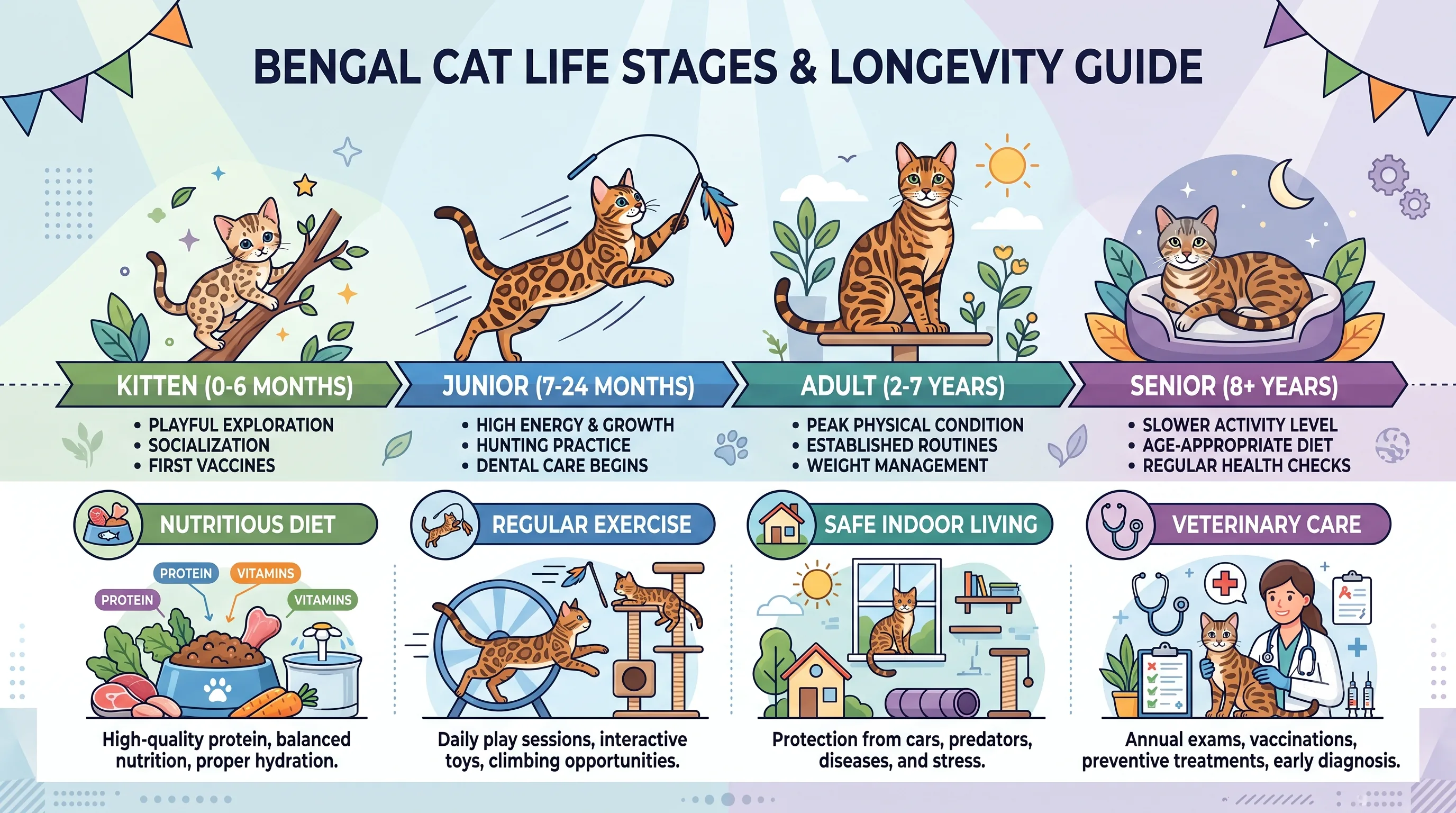
Most Bengal cats live between 12 and 16 years.
Factors affecting lifespan include:
- Genetics
- Nutrition
- Exercise
- Veterinary care
- Indoor living conditions
Well-cared-for Bengals may live beyond 16 years.
How Much Does a Bengal Cat Cost?

Bengals are often more expensive than many traditional cat breeds.
Typical Costs
| Expense | Estimated Cost |
|---|---|
| Kitten Purchase | ₹40,000–₹2,50,000+ |
| Initial Supplies | ₹8,000–₹20,000 |
| Monthly Food | ₹2,000–₹6,000 |
| Veterinary Care | Varies |
Rare coat colors and show-quality Bengals can command significantly higher prices.
Pros and Cons of Bengal Cats
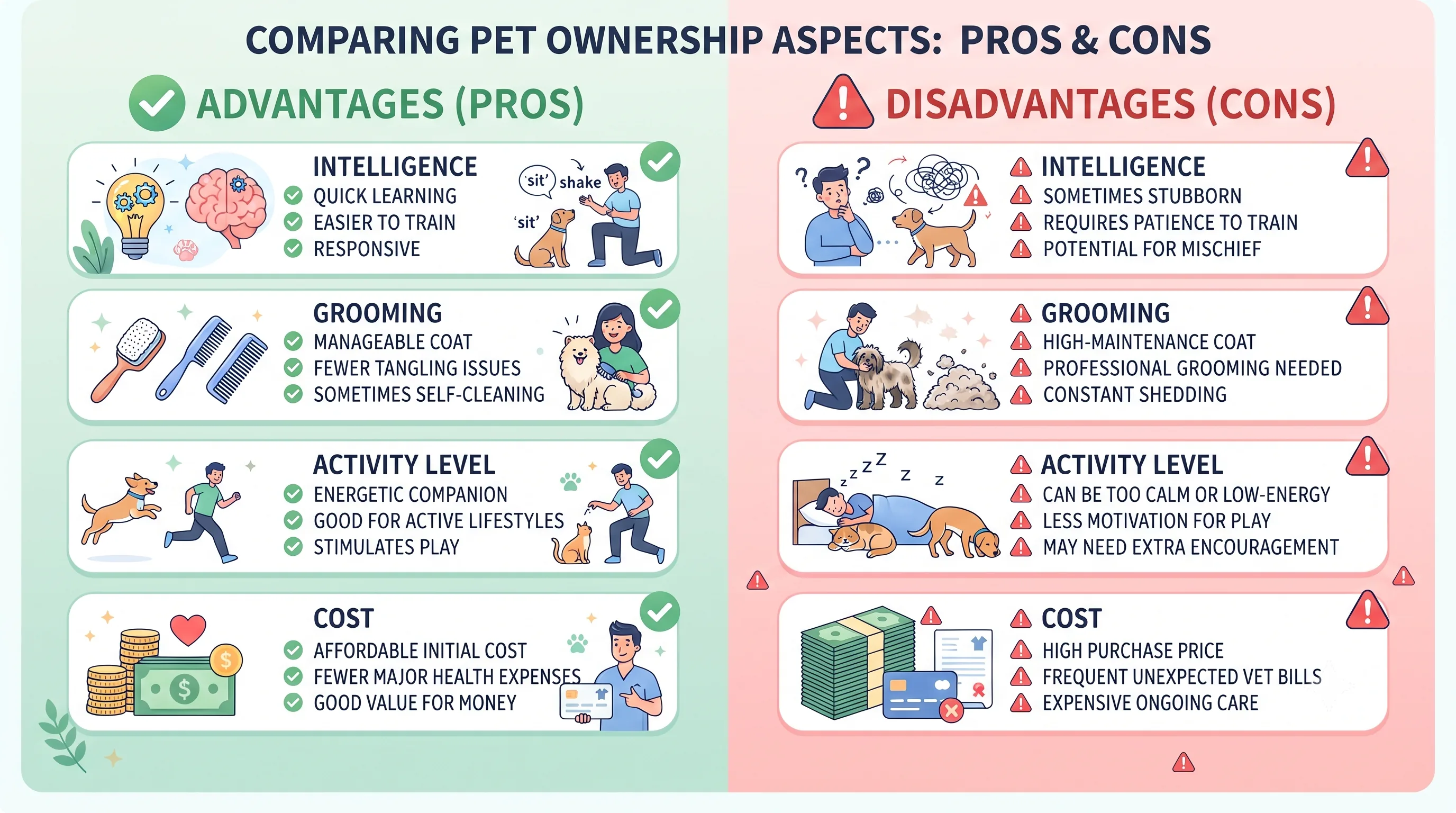
Pros
- Stunning appearance
- Highly intelligent
- Playful and entertaining
- Low grooming requirements
- Strong bond with owners
Cons
- Extremely active
- Needs daily mental stimulation
- Can become destructive when bored
- Higher purchase cost
- Not ideal for owners seeking a relaxed lap cat
Frequently Asked Questions
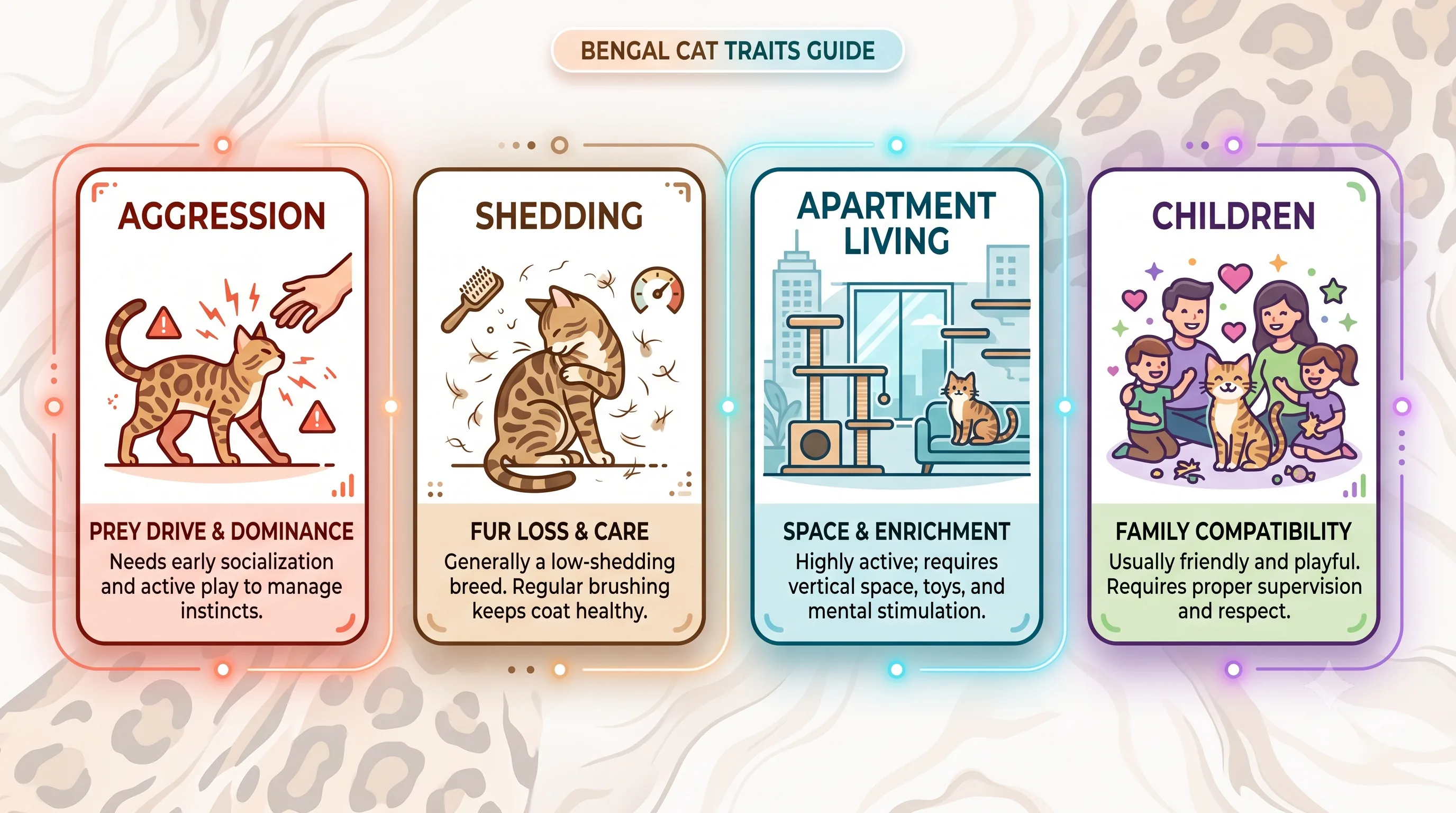
Are Bengal cats aggressive?
No. Properly socialized Bengal cats are generally friendly and affectionate. However, they are energetic and may appear more intense than calmer breeds.
Do Bengal cats shed a lot?
No. Bengals have short coats and typically shed less than many other cat breeds.
Can Bengal cats live in apartments?
Yes, but they require plenty of exercise, climbing opportunities, and mental stimulation.
Are Bengal cats good with children?
Yes. They usually do well with respectful children who enjoy interactive play.
Why do Bengal cats look like leopards?
Their distinctive spotted and marbled coat patterns were inherited from their Asian Leopard Cat ancestry.
Final Thoughts
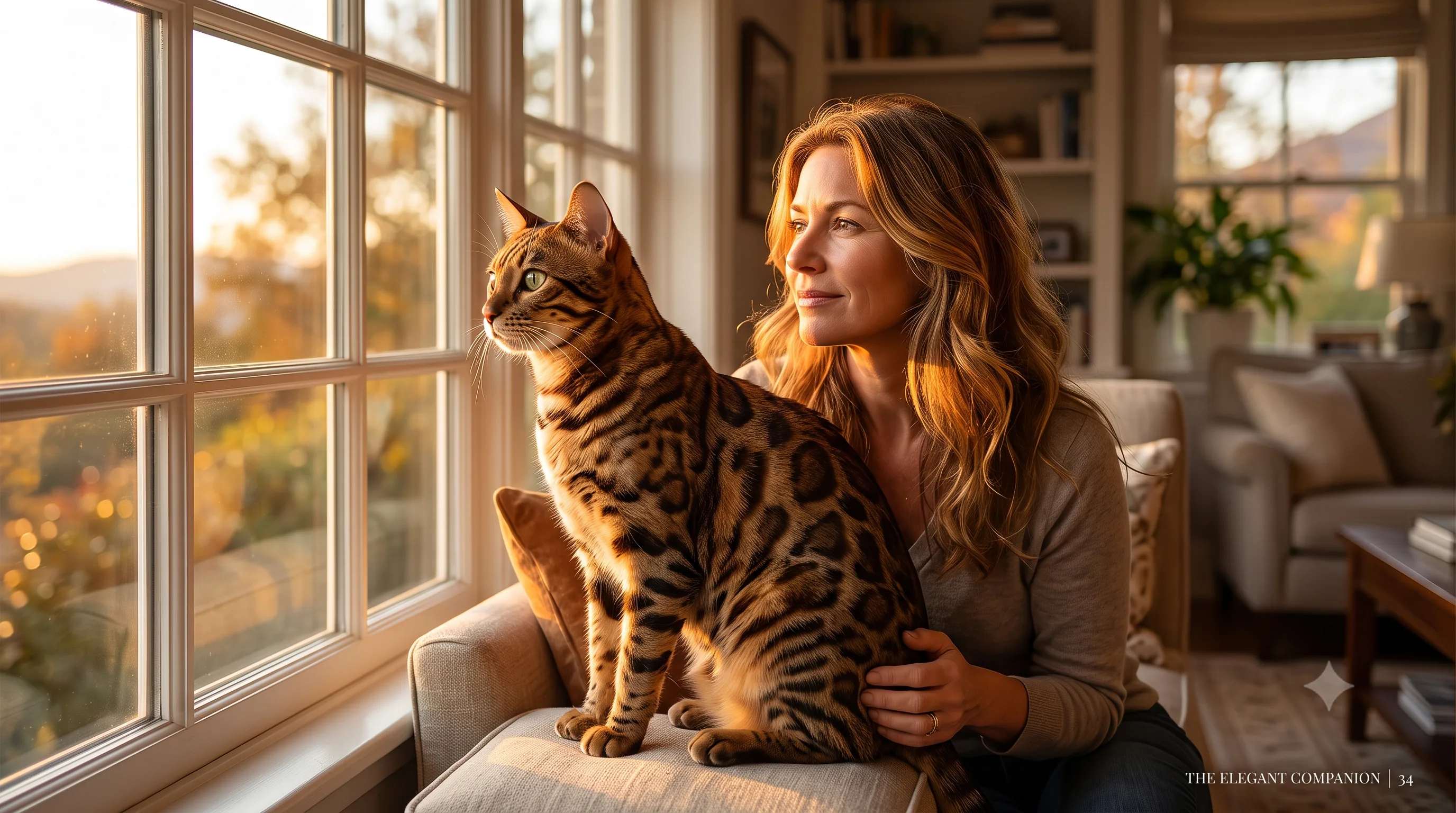
The Bengal cat is one of the most unique and exciting domestic cat breeds available today. Its wild appearance, exceptional intelligence, and playful personality make it a favorite among cat enthusiasts around the world.
However, Bengals are not low-maintenance pets. They require daily interaction, exercise, and mental stimulation to remain happy and healthy.
If you're looking for an energetic, intelligent, and visually stunning companion that actively participates in your daily life, a Bengal cat may be the perfect addition to your family.
Related articles
Persian Cat: Complete Guide to Personality, Care, Lifespan, and Cost
Learn everything about Persian cats, including personality, grooming, health issues, lifespan, diet, and ownership costs.
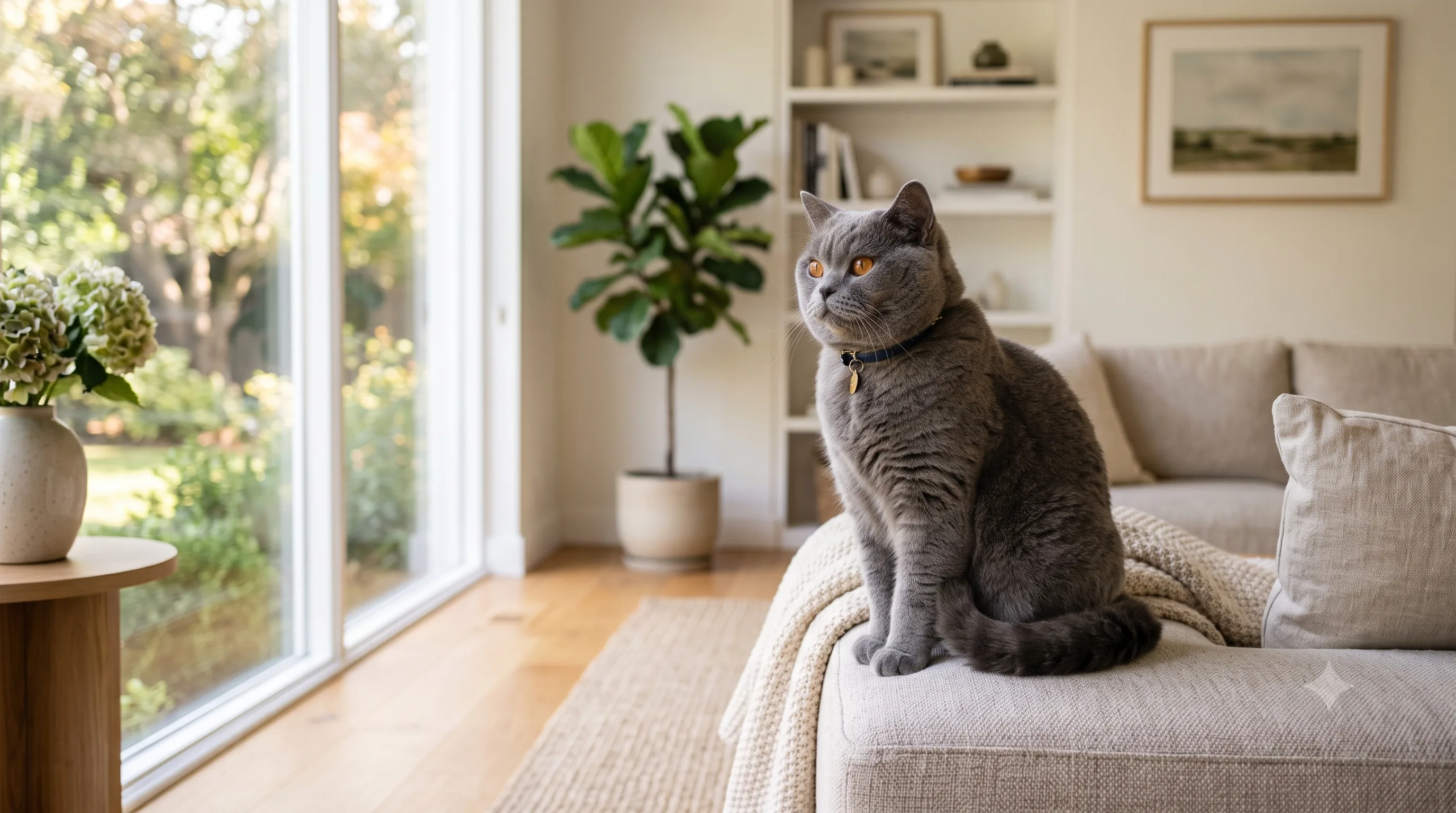
British Shorthair Cat: Complete Guide to Personality, Care, Lifespan, and Cost
Learn everything about British Shorthair cats, including personality, appearance, grooming needs, health concerns, lifespan, diet, and ownership costs.
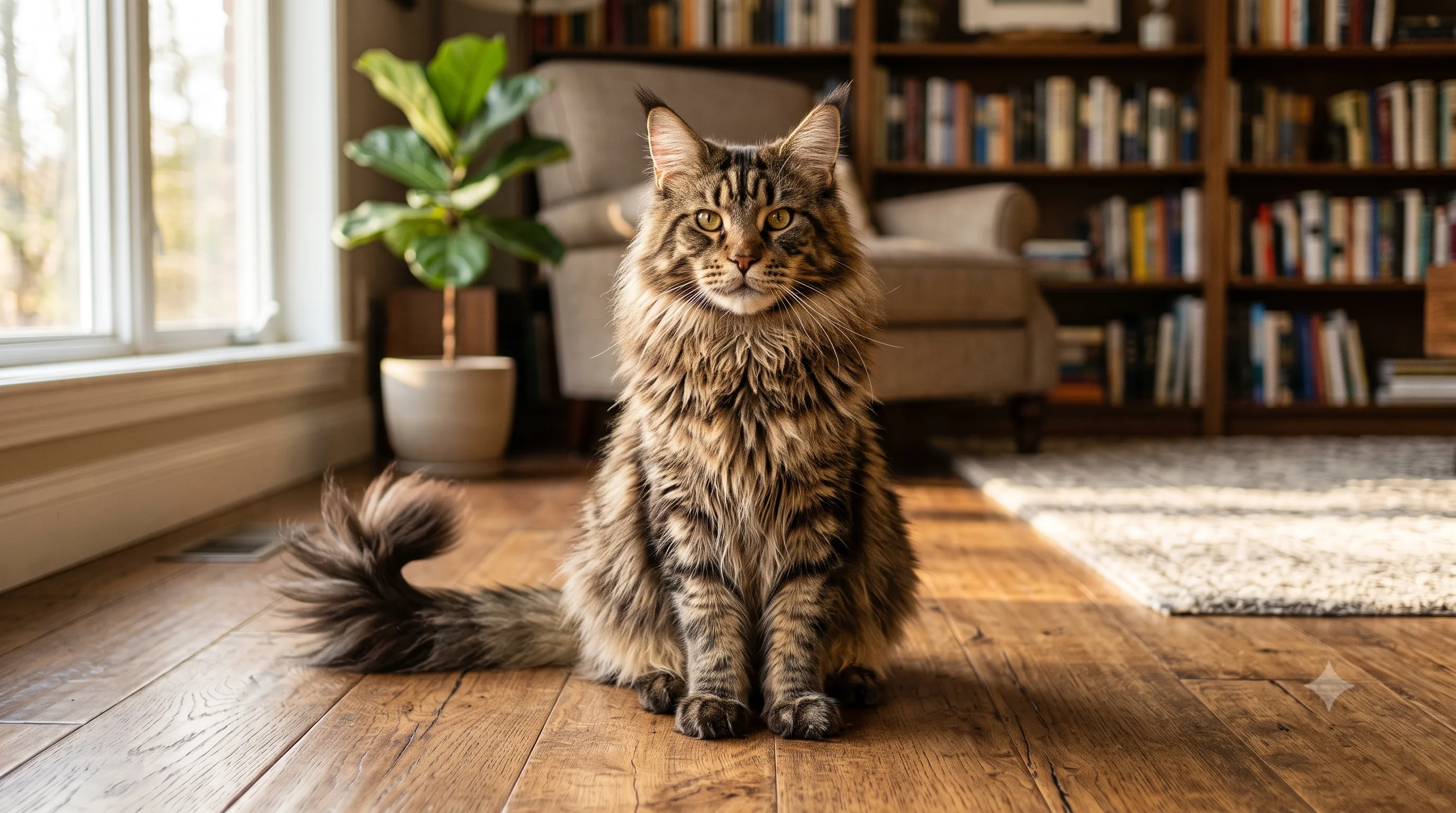
Maine Coon Cat: Complete Guide to Personality, Care, Lifespan, and Cost
Learn everything about Maine Coon cats, including personality, size, grooming needs, health concerns, lifespan, diet, and ownership costs.