Siberian Cat: Complete Guide to Personality, Care, Lifespan, and Cost
The Siberian cat is a majestic long-haired breed known for its thick triple coat, powerful build, and affectionate personality. Originating from the forests of Russia, these cats developed naturally to withstand harsh winters and are considered one of the oldest natural cat breeds in the world.
Siberians are intelligent, playful, and deeply devoted to their families, making them excellent companions for a wide variety of households.
Siberian Cat Overview
| Trait | Details |
|---|---|
| Origin | Russia |
| Size | Medium to Large |
| Weight | 4–9 kg |
| Lifespan | 12–18 years |
| Coat Type | Triple-Layer Long Coat |
| Shedding | Moderate to High |
| Energy Level | Moderate |
| Good With Kids | Excellent |
| Good With Other Pets | Excellent |
| Intelligence | High |
History of Siberian Cats
The Siberian cat has existed in Russia for centuries and is believed to be one of the ancestors of several modern long-haired breeds.
Historical records mention these cats as early as the 16th century. Their thick coats evolved naturally to help them survive the cold climate of Siberia and other parts of Russia.
The breed gained international recognition during the late 20th century and has since become popular around the world.
Siberian Cat Appearance
Siberians are powerful, athletic cats with a wild yet elegant appearance.
Physical Characteristics
- Strong muscular body
- Broad chest
- Rounded head
- Large expressive eyes
- Medium-sized ears
- Thick bushy tail
- Dense triple coat
Their substantial build allows them to be both agile and powerful.
Coat Structure
One of the breed's most distinctive features is its triple coat:
- Guard hairs
- Awn hairs
- Soft undercoat
This combination provides insulation against extremely cold weather.
Common Coat Colors
Siberians come in nearly every color and pattern, including:
- Brown Tabby
- Silver Tabby
- Black
- White
- Blue
- Red
- Cream
- Tortoiseshell
- Colorpoint Variations
How Big Do Siberian Cats Get?
Siberians are considered large cats.
Average Weight
| Gender | Weight |
|---|---|
| Male | 6–9 kg |
| Female | 4–7 kg |
Most Siberians reach full maturity around 4–5 years of age, which is slower than many cat breeds.
Siberian Cat Personality
Siberians are known for their balanced and affectionate temperament.
Personality Traits
- Friendly
- Loyal
- Intelligent
- Playful
- Curious
- Confident
- Adaptable
They enjoy spending time with their families while still maintaining a degree of independence.
Are Siberian Cats Good Family Pets?
Yes.
Siberian cats are often considered ideal family companions because they:
- Get along well with children
- Usually coexist peacefully with dogs
- Enjoy interactive play
- Adapt well to various living situations
- Form strong bonds with owners
Their patient and social nature makes them suitable for both active and quiet households.
Are Siberian Cats Hypoallergenic?
No cat is truly hypoallergenic, but Siberians are often considered one of the better options for allergy sufferers.
Some studies and owner experiences suggest that many Siberians produce lower levels of the Fel d 1 protein, which is the primary cat allergen.
However, individual reactions can vary significantly.
Exercise and Mental Stimulation
Siberians are athletic and enjoy activities that challenge both their body and mind.
Recommended Activities
- Cat trees
- Interactive toys
- Puzzle feeders
- Climbing structures
- Wand toys
- Fetch games
Many Siberians enjoy climbing and exploring elevated spaces.
Do Siberian Cats Like Water?
Unlike many cats, Siberians are often comfortable around water.
Some Siberians may:
- Play with running water
- Sit near sinks
- Splash in water bowls
- Enjoy supervised water activities
This trait likely developed due to their natural history in snowy and wet environments.
Siberian Cat Grooming Requirements
Despite their thick coats, Siberians require less maintenance than many people expect.
Grooming Checklist
- Brush 2–3 times per week
- Increase brushing during shedding seasons
- Trim nails regularly
- Clean ears when needed
- Maintain dental hygiene
Their coat is less prone to matting than breeds such as Persians.
Common Health Problems
Siberians are generally considered a healthy breed, but certain conditions may occur.
Common Health Issues
- Hypertrophic Cardiomyopathy (HCM)
- Obesity
- Dental Disease
- Kidney Issues
- Joint Problems in Older Cats
Regular veterinary care is important for maintaining long-term health.
Siberian Cat Diet
A nutritious diet supports the breed's muscular build and active lifestyle.
Recommended Nutrition
- High-quality animal protein
- Healthy fats
- Fresh water
- Controlled portions
Balanced nutrition helps maintain healthy weight and coat quality.
Siberian Cat Lifespan
Most Siberian cats live between 12 and 18 years.
Factors affecting lifespan include:
- Genetics
- Diet
- Exercise
- Veterinary care
- Indoor living conditions
Many well-cared-for Siberians live into their late teens.
How Much Does a Siberian Cat Cost?
Siberians are often considered a premium cat breed due to their rarity in many countries.
Typical Costs
| Expense | Estimated Cost |
|---|---|
| Kitten Purchase | ₹50,000–₹2,50,000+ |
| Initial Supplies | ₹8,000–₹20,000 |
| Monthly Food | ₹2,000–₹6,000 |
| Veterinary Care | Varies |
Rare coat colors and champion bloodlines can significantly increase prices.
Pros and Cons of Siberian Cats
Pros
- Affectionate and friendly
- Great with children
- Intelligent and trainable
- Beautiful appearance
- Generally healthy breed
Cons
- Seasonal shedding
- Premium purchase cost
- Requires regular grooming
- May need ample climbing space
Frequently Asked Questions
Are Siberian cats friendly?
Yes. Siberians are known for being affectionate, social, and loyal companions.
Do Siberian cats shed a lot?
They shed moderately throughout the year, with heavier shedding during seasonal coat changes.
Are Siberian cats good with dogs?
In most cases, yes. Their confident and social nature helps them adapt well to multi-pet households.
Can Siberian cats live in apartments?
Yes, provided they receive enough exercise, climbing opportunities, and mental stimulation.
Are Siberian cats hypoallergenic?
They are not truly hypoallergenic, but some allergy sufferers report fewer reactions compared to other breeds.
Final Thoughts
The Siberian cat combines beauty, intelligence, athleticism, and affection in one impressive package. Their luxurious coat, playful nature, and strong bond with their families have made them one of the most admired cat breeds in the world.
While they require regular grooming and can be expensive to acquire, Siberians reward their owners with years of companionship, loyalty, and entertainment.
If you're looking for a large, affectionate, and adaptable cat with a rich history and striking appearance, the Siberian may be the perfect addition to your home.
Related articles
Bengal Cat: Complete Guide to Personality, Care, Lifespan, and Cost
Learn everything about Bengal cats, including personality, appearance, exercise needs, health concerns, lifespan, diet, and ownership costs.
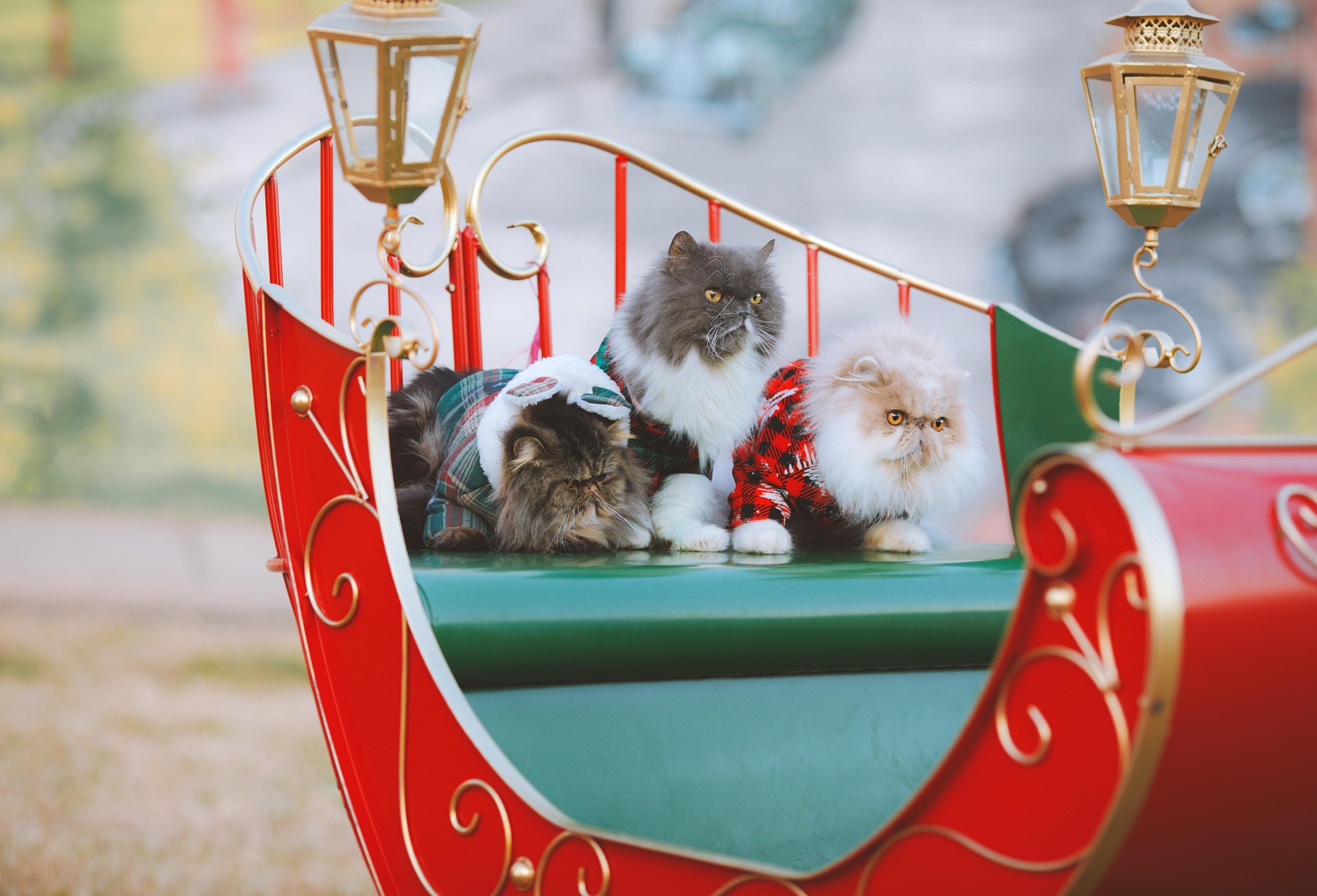
Persian Cat: Complete Guide to Personality, Care, Lifespan, and Cost
Learn everything about Persian cats, including personality, grooming, health issues, lifespan, diet, and ownership costs.
Ragdoll Cat: Complete Guide to Personality, Care, Lifespan, and Cost
Learn everything about Ragdoll cats, including personality, appearance, grooming needs, health concerns, lifespan, diet, and ownership costs.